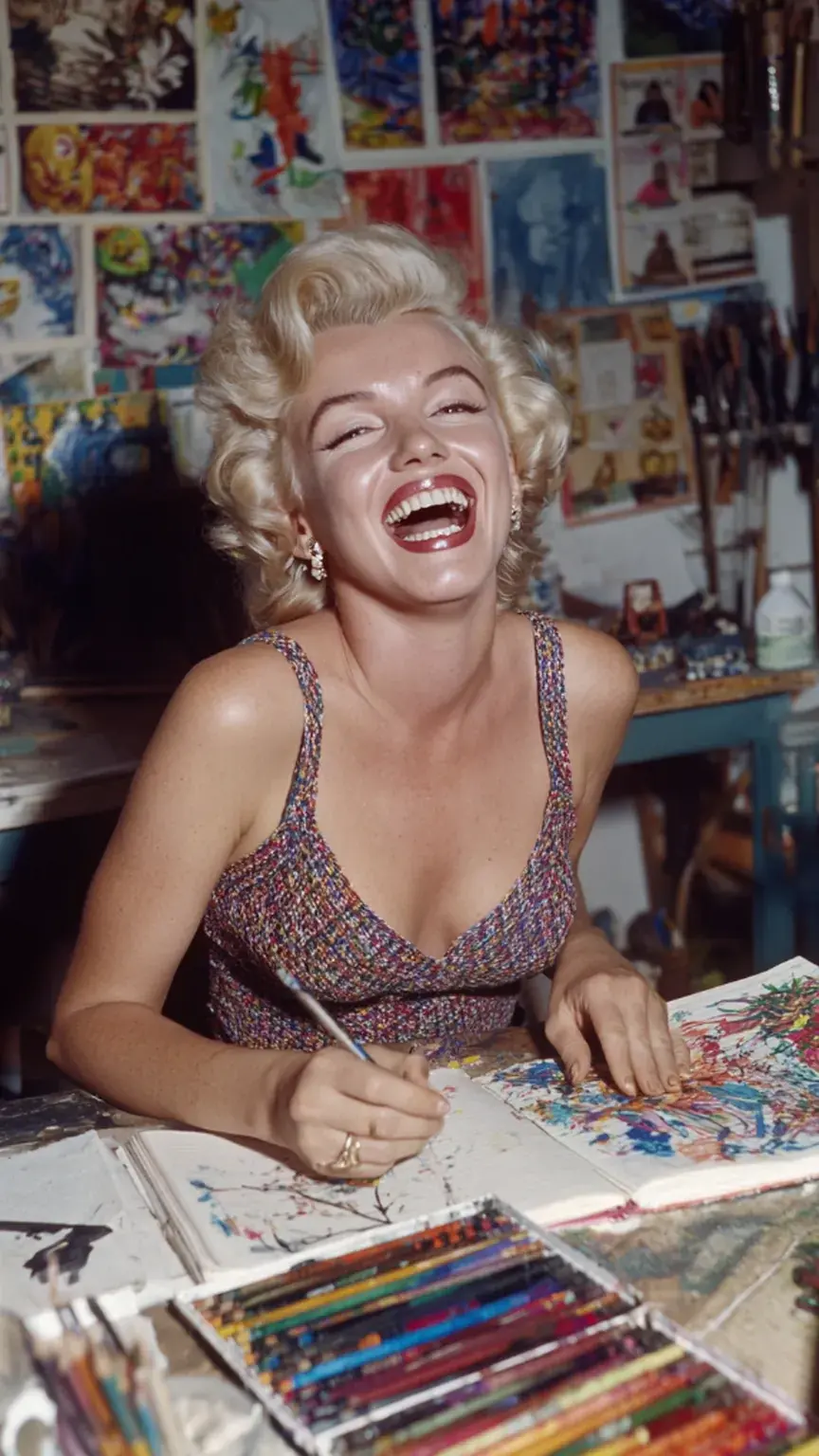
For many of us, creativity has a “perfectionism” problem. We grew up being told to stay within the lines, to draw things “correctly,” and to produce something worthy of being displayed. As adults, this conditioning often transforms into a barrier. We look at a blank page and feel a subtle weight in our chests—a fear that if we can’t create something “good,” we shouldn’t bother creating at all.
This is the exact opposite of what creative self-care is meant to be.
True self-care is not a performance; it is a refuge. When we approach creativity with the same “hustle” mindset we use for our careers or our household management, we aren’t resting—we are just adding another item to our to-do list. To find true calm, we must learn the art of low-pressure creativity. We need activities that are designed to feel good, not to look productive.
When Creativity Starts to Feel Heavy
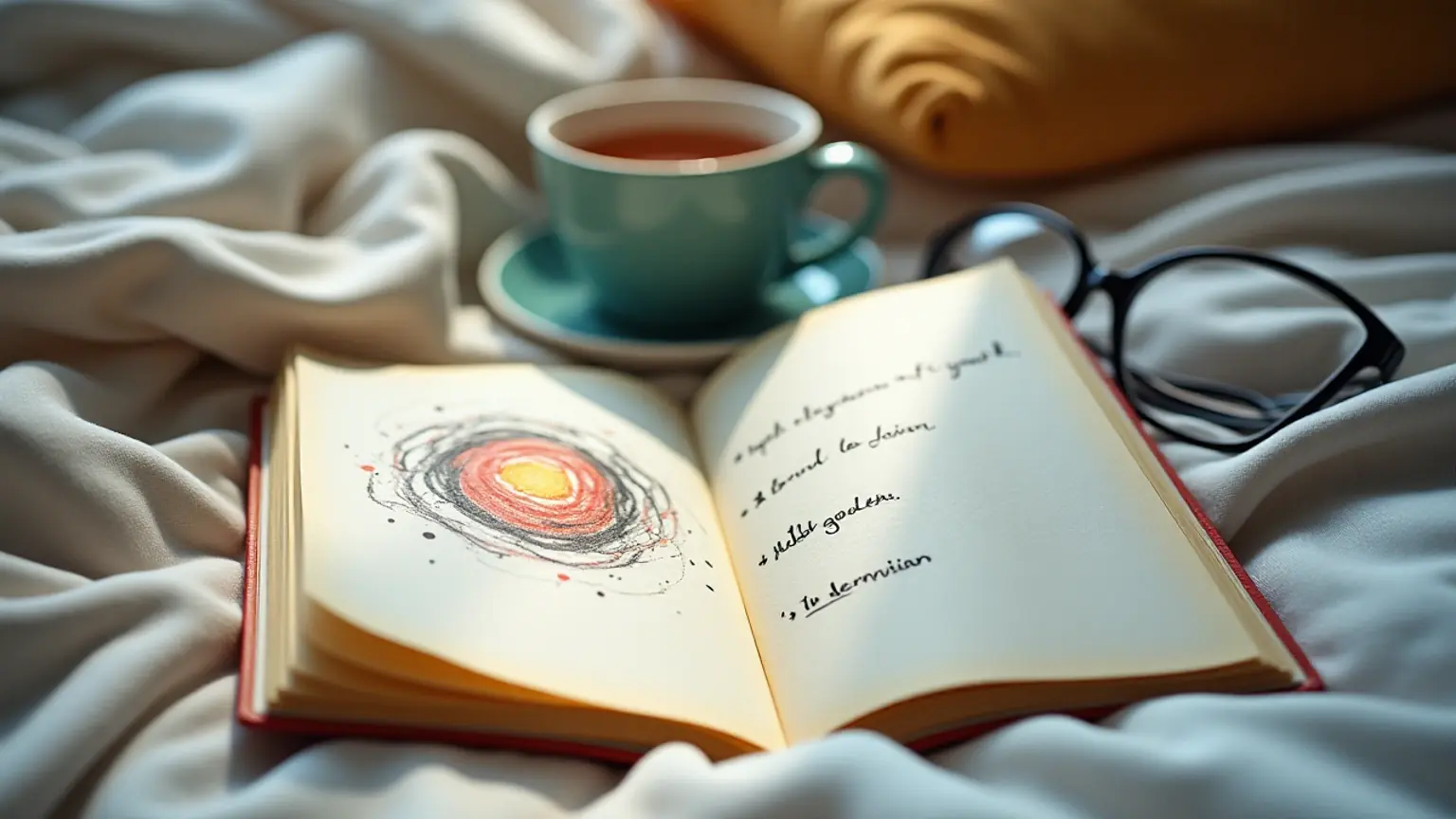
Have you ever bought a beautiful new journal or a set of high-end pencils, only to let them sit on your shelf because you didn’t want to “spoil” them with an imperfect thought?
This “creative fatigue” is a modern epidemic among sensitive and ambitious women. We are so used to being measured and evaluated that we struggle to find spaces where we are allowed to be messy. When we compare our private, “in-progress” lives to the curated, “finished” masterpieces on social media, our creative spirit retreats.
Creative self-care should be the one place where you are completely exempt from judgment—especially your own.
Why Pressure Kills the Healing Power of Art
The moment we introduce an “expectation” of a result, our nervous system shifts. Instead of the “rest and digest” state associated with play, we move into a “task-oriented” state.
- The Fear of “Doing it Wrong”: This creates tension in the body, making the act of creation stressful rather than restorative.
- Conditional Creativity: If we only value what we make based on the final product, we miss the therapeutic benefits of the process itself—the feel of the paper, the rhythm of the pen, and the quietness of the mind.
Gentle creativity is about removing the “shoulds.” You shouldn’t have to be an artist to enjoy a sketchbook. You shouldn’t have to have something profound to say to enjoy a journal.
What Low-Pressure Creativity Actually Looks Like
To reclaim your creative soul, you have to redefine what “success” looks like. In the world of stress-free creative activities, success is simply the fact that you showed up for yourself.
The Three Pillars of Low-Pressure Creativity:
- No Goal: You aren’t making a gift, a post, or a masterpiece. You are just making marks.
- No Witness: This is for your eyes only. When we create for an audience, we automatically begin to perform.
- No External Validation: You don’t need a “like,” a “good job,” or even a finished page to prove this was worth your time.
8 Creative Self-Care Activities That Feel Like a Sigh of Relief
If you are feeling “creatively blocked” or simply exhausted, try one of these creative self-care activities. They are designed to bypass the inner critic and focus purely on the sensory experience of “doing.”
| Activity | How to Do It | Why It Feels Good |
| Intuitive Coloring | Pick one color that matches your mood. Fill a space without worrying about the lines. | The rhythmic motion calms the nervous system. |
| Writing Fragments | Write single words or half-sentences that pop into your head. No grammar, no story. | It releases mental clutter without the pressure of “journaling.” |
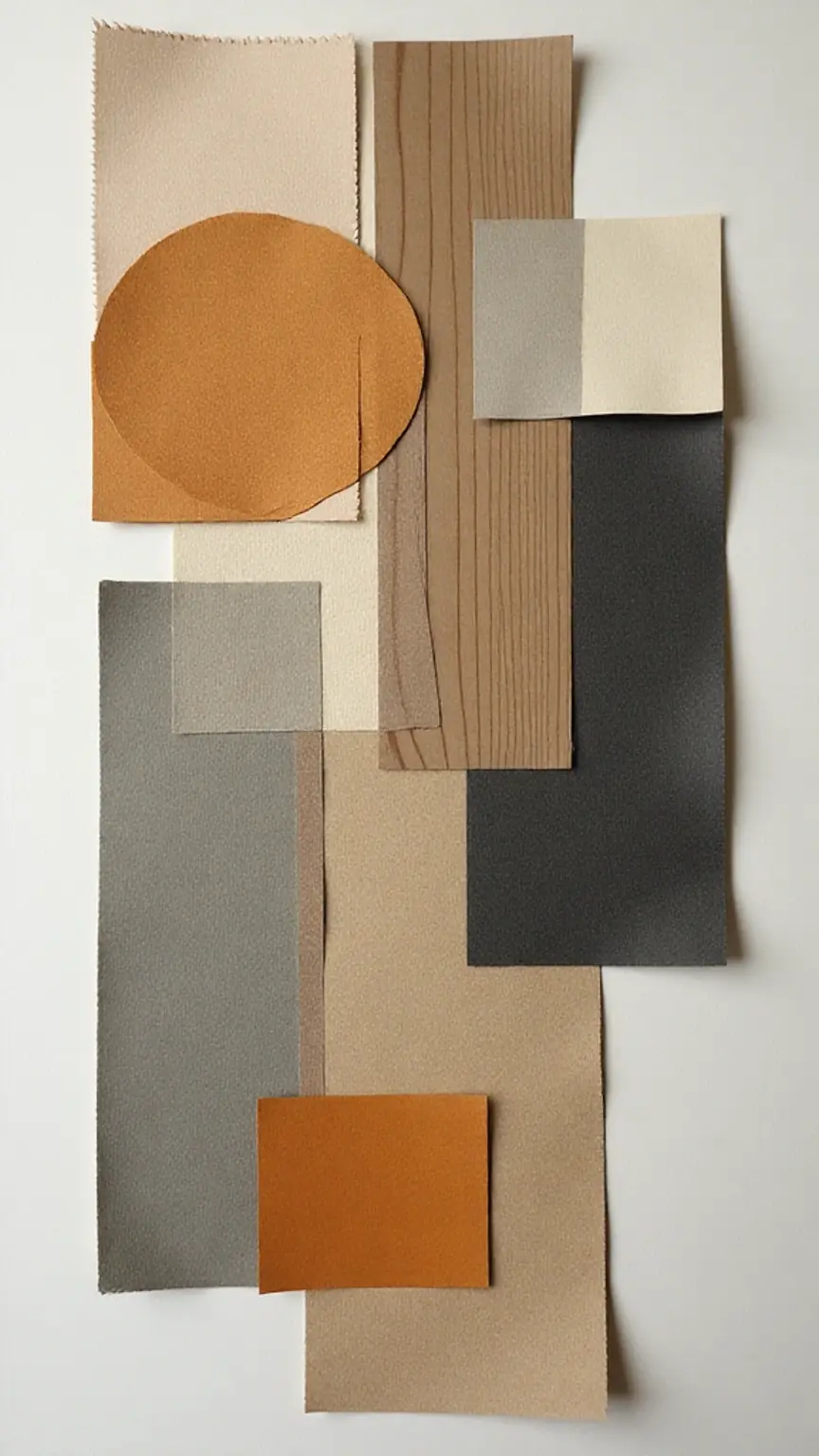
| Collage Without Theme | Tear up old magazines or colored paper. Glue them down based on color alone. | Tearing paper is a powerful tactile release. |
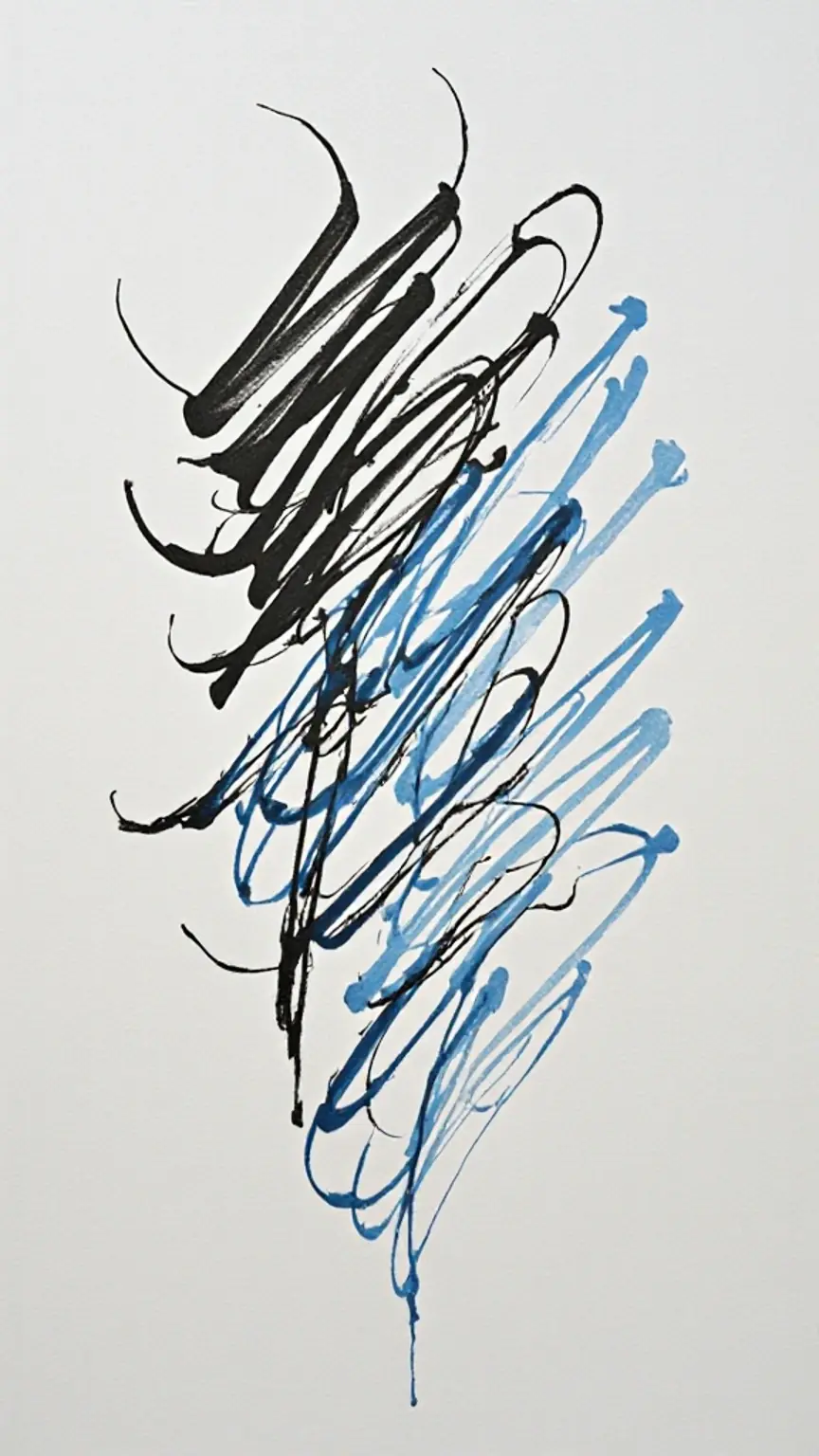
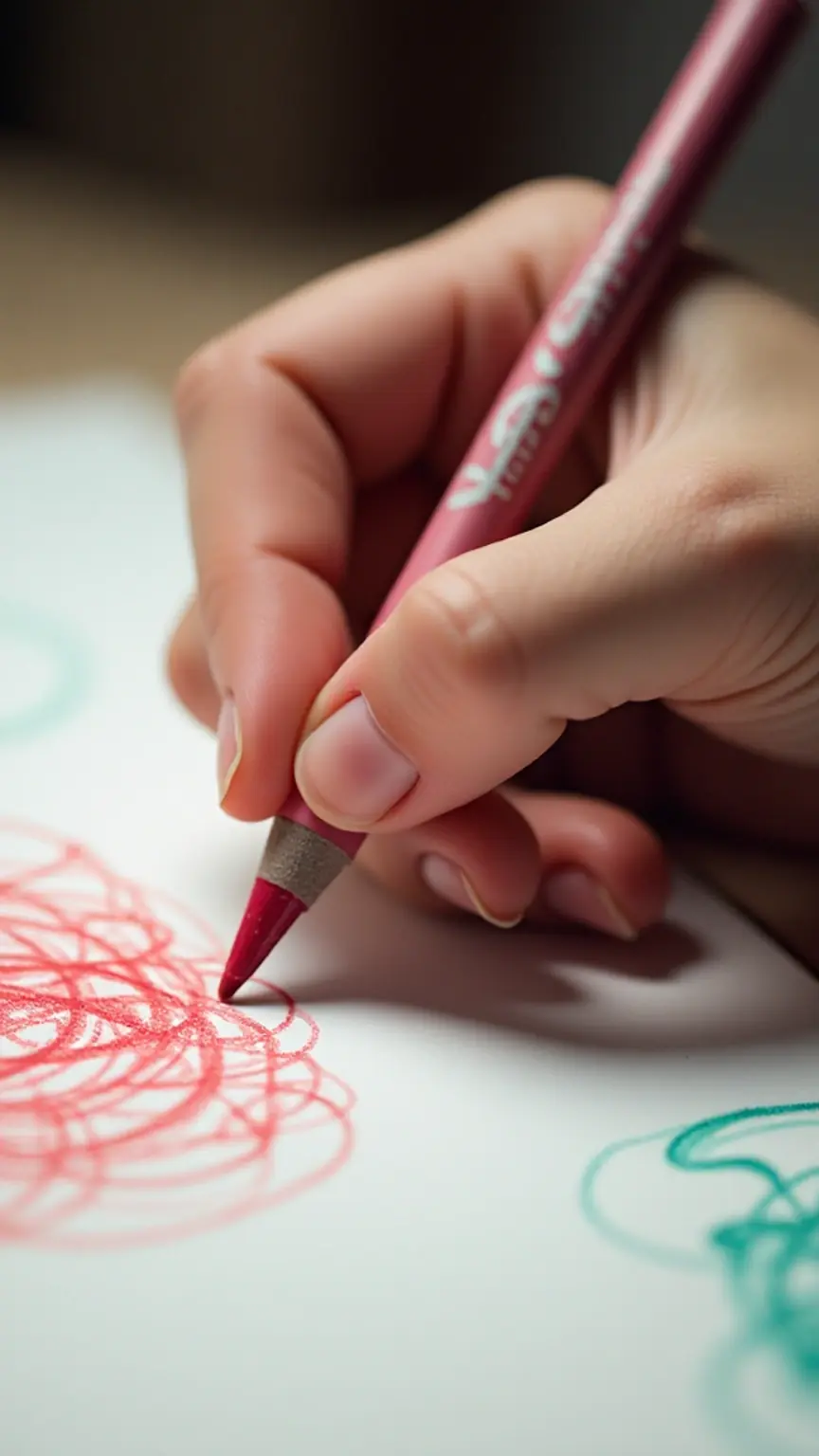
| Repetitive Sketching | Draw the same simple shape (circles, waves, dots) over and over across a page. | It mimics the benefits of a “moving meditation.” |
| Word Collecting | Scan a book or a magazine for words that feel “soft” or “strong.” Write them in a list. | It’s a low-energy way to interact with language and beauty. |
| Sensory Pages | Use different tools (pencil, marker, crayon) to see how they feel against the paper. | It reconnects you to the physical sensation of touch. |
| Color Swatching | Simply create small squares of different colors and name them after feelings. | It gives a “home” to emotions that are hard to describe. |
| The “Messy” Map | Draw a map of your current “mental landscape” using only squiggles and lines. | It visualizes internal noise, making it feel more manageable. |
How to Release Creative Expectations
It takes practice to unlearn the “performance” of creativity. Here are three ways to actively lower the pressure:
1. Choose Imperfection Intentionally
Start a page by making a deliberate “mistake.” Scribble in a corner, or use a color you usually dislike. Once the page is no longer “perfect,” the fear of spoiling it disappears.
2. Stop Before You Are “Satisfied”
We often push ourselves to “finish” a page until we end up overworking it and feeling frustrated. Try stopping when you still feel a little bit of curiosity. This leaves the door open for you to return later without dread.
3. Permission to Leave it Incomplete
An activity book isn’t a textbook. You don’t have to complete every prompt or fill every line. An unfinished page is a sign of a woman who knows her own boundaries.
Why Feeling Good Is a Valid Creative Goal
In our society, “feeling good” is often treated as a luxury or an afterthought. We prioritize efficiency, growth, and improvement. But in creative self-care, your pleasure is the primary indicator of success.
When you choose an activity because it feels good—the way the pencil glides, the way the colors blend, the way the silence fills the room—you are practicing deep listening. You are moving from a state of “self-improvement” to a state of restorative creativity. You aren’t trying to become a better artist; you are trying to become a more rested, present version of yourself.
Reclaiming Creativity as a Private Space
One of the most radical things you can do in a digital world is to create something that you never share.
Your journal or activity book is your “paper sanctuary.” It is a private room where you don’t have to be “the icon,” “the mother,” “the professional,” or “the friend.” You can just be the woman with the pen. By keeping your creative practice private, you protect the spark of gentle creativity from the dampening effect of external validation. You don’t need a “like” to know that your time on the page was sacred.
Reflection: The Private Creation
Take a moment to imagine a world where the internet doesn’t exist and no one can see what you do in your quiet hours.
What would you create today if you knew with absolute certainty that no one would ever see it?
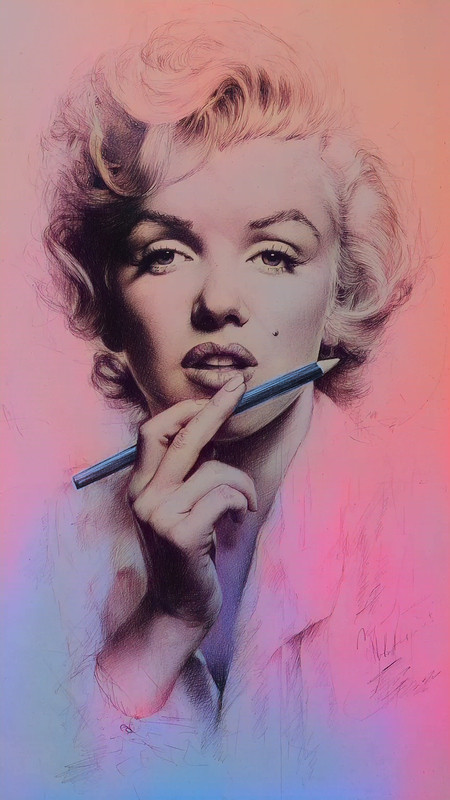
In the “52 Marilyn Moments” book, we have intentionally left space for this exact kind of exploration. The activities are designed to be “unfinished-friendly.” You can start a coloring page, leave it for a week, and come back to it—or not. The book is a companion for your creative self-care, and it asks nothing of you other than your presence.
Ready to Lower the Pressure?
If you’ve been waiting for “enough talent” or “enough time” to start being creative, this is your permission to start exactly as you are. Explore our Beginner’s Guide to Creative Rituals or discover the Low-Pressure Prompts waiting for you in our latest collection.