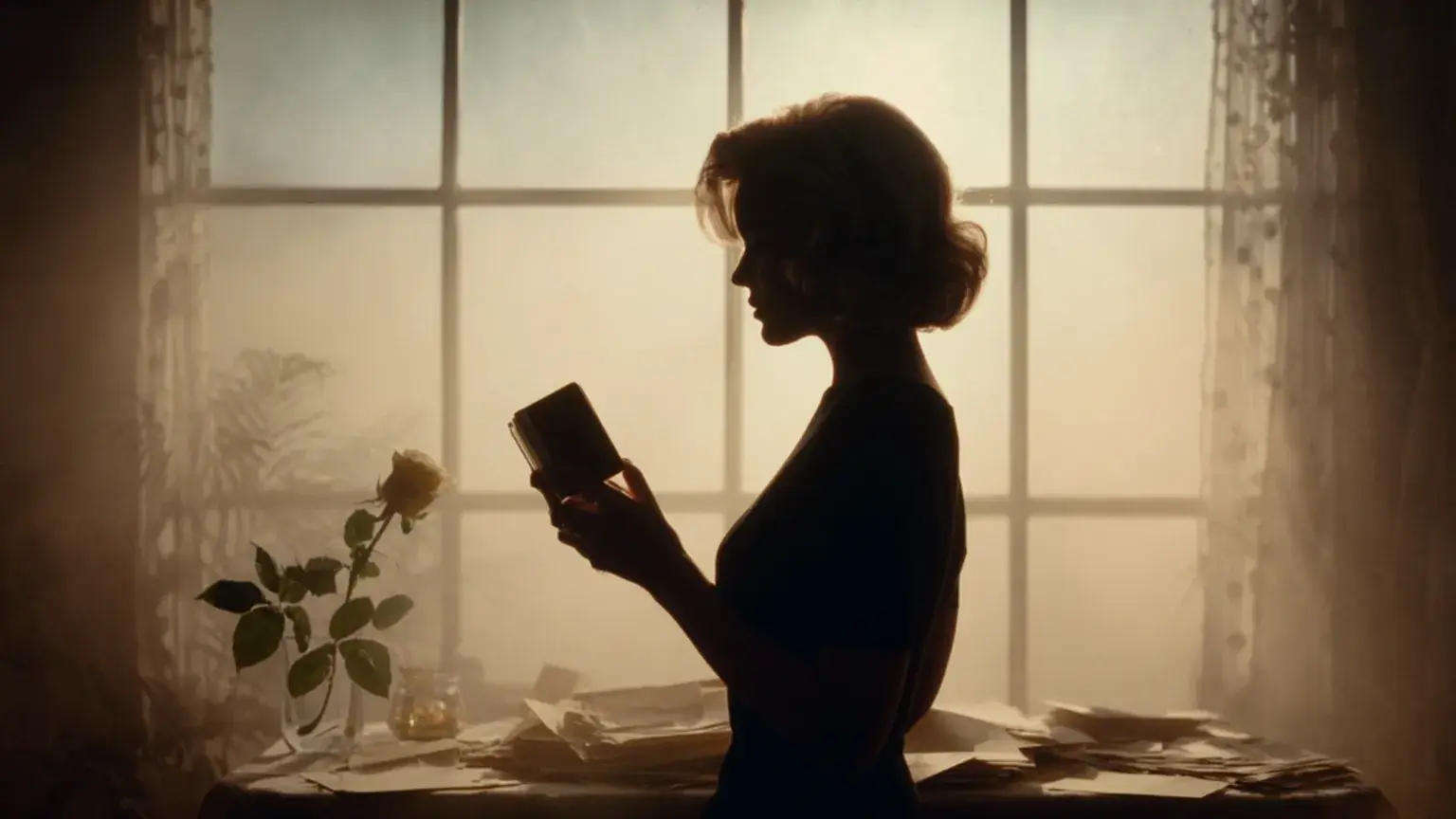
We often meet Marilyn Monroe in a roar of flashbulbs and applause. We see the Technicolor smile, the billowing white skirt, and the carefully curated glamour that defined an era. But for those of us who look closer, there is another meeting—a quieter one. This is the Marilyn found in the margins of her books, in the pauses between her lines, and in the private poems she scribbled on hotel stationery. In these moments, she is not a spectacle; she is a presence.
My own journey with her began not with the movies, but with this stillness.

I found myself drawn to the woman who was constantly seeking, constantly learning, and constantly trying to translate her inner world into something the outer world could understand. She became a source of creative inspiration not because she was perfect, but because she was profoundly, visibly human. She didn’t offer a manual on how to be an icon; she offered a masterclass on how to navigate the tension between who we are and who the world wants us to be.
Creativity as Survival
For Marilyn, creativity was never a luxury. It was a necessity. It was the lighthouse she built to navigate the stormy waters of her own life. When we look at her personal archives, we see a woman who was a voracious consumer of culture. She read Rilke, she studied with Lee Strasberg, and she surrounded herself with poets and intellectuals.
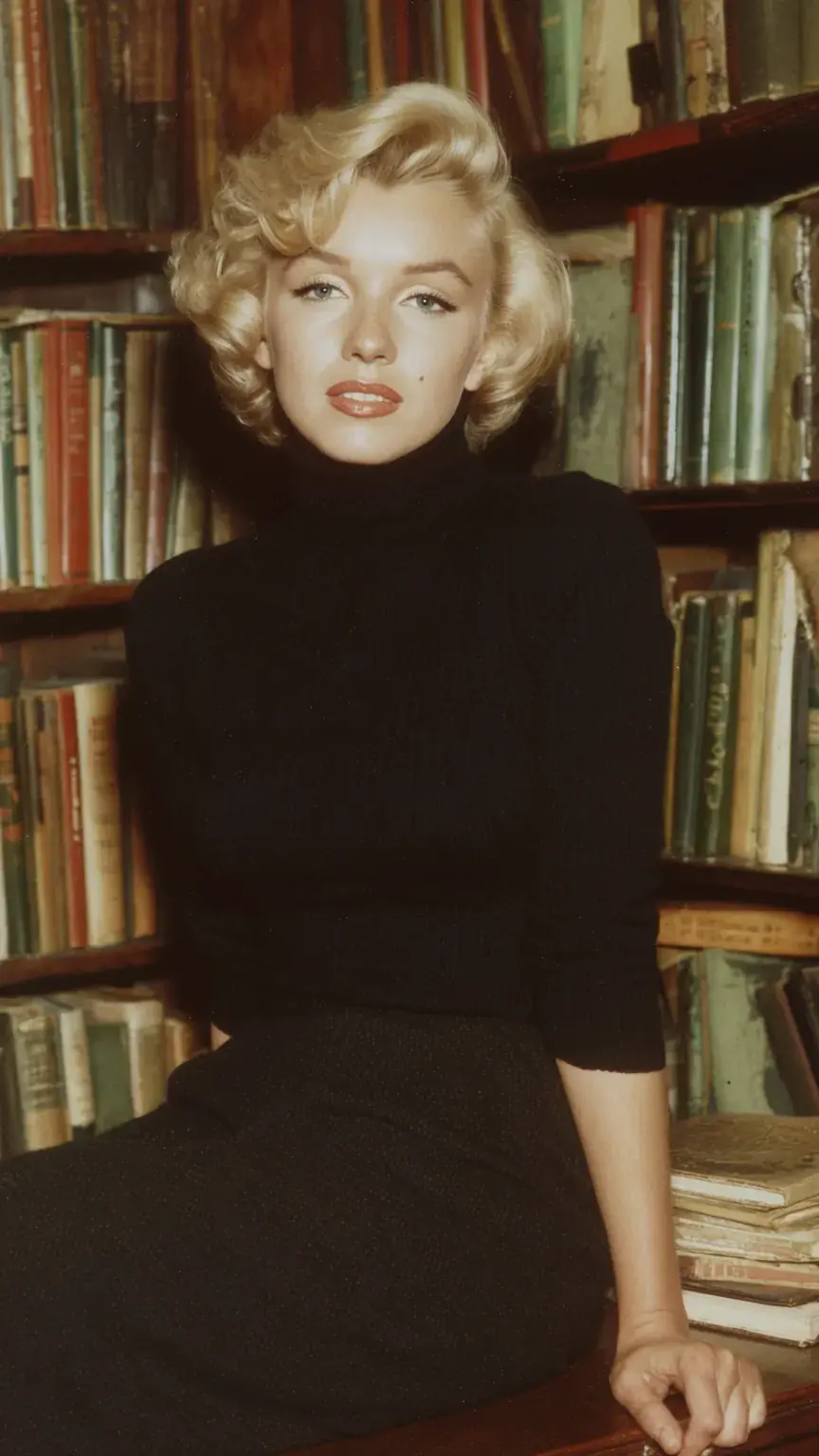
This intellectual hunger wasn’t just a hobby; it was an act of survival. In our modern lives, we often treat creative inspiration as something we “fit in” around our responsibilities. We wait for the perfect moment or the perfect studio. But Marilyn taught me that creation is a refuge you carry within you.
Whether she was on a loud film set or in a lonely apartment, she used her inner world to protect her spirit. By surrounding ourselves with the textures of our own inspirations—a ribbon, a letter, a specific scent—we build that same refuge. Writing, reading, and learning are ways of holding onto ourselves. It is no longer about “making art”; it is about making a home for your soul.
Self-Expression Without Permission
One of the most radical things a woman can do is to express herself without waiting for permission. Marilyn lived in an era that was designed to silence her. Yet, she constantly pushed against those boundaries. She formed her own production company and developed a visual language that was entirely her own.
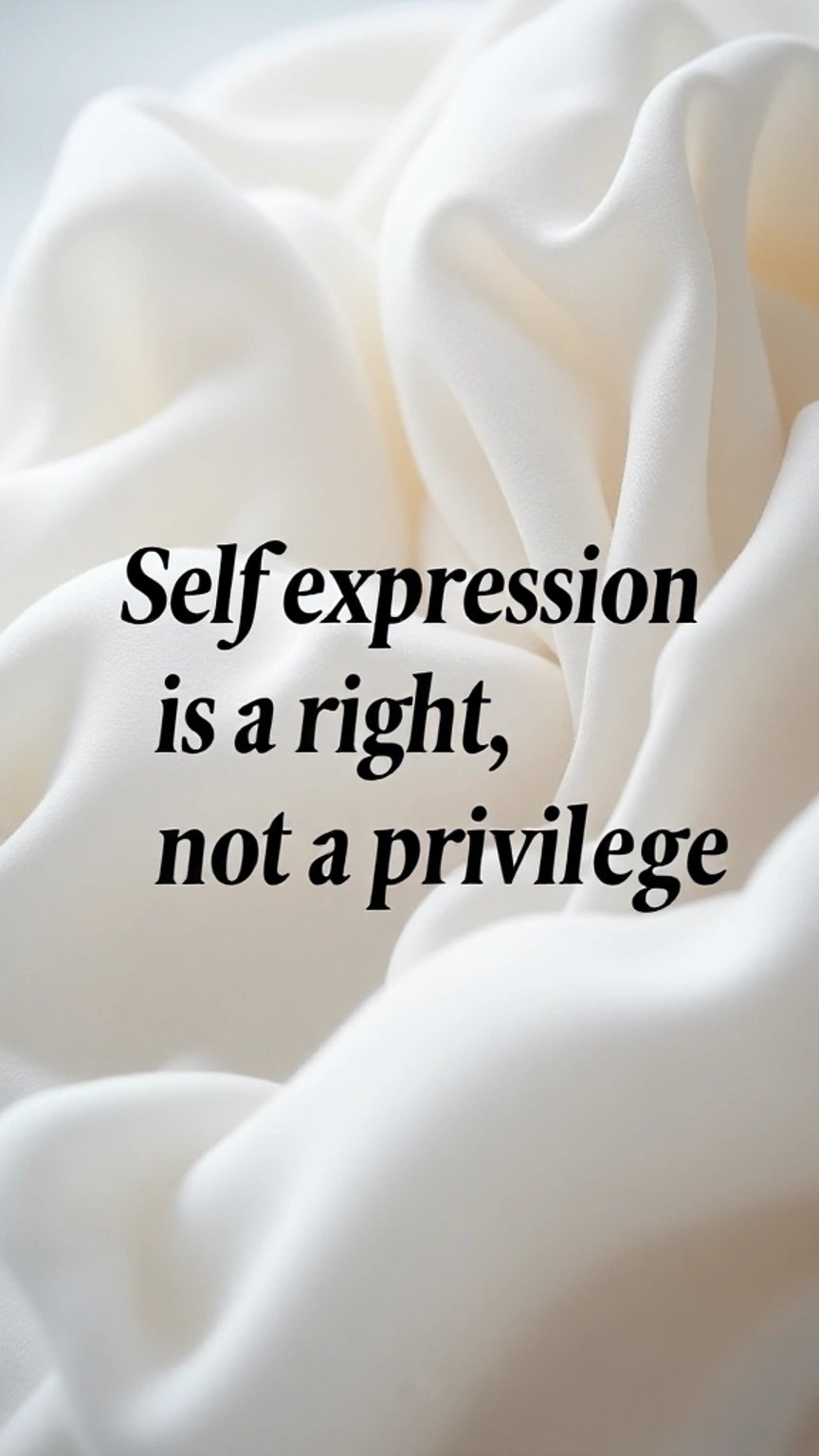
This is a vital lesson for every creative woman today. We often hold ourselves back because we feel we aren’t “qualified.” Marilyn’s life whispers a different truth: your legitimacy comes from the act of expression itself. Creative self-expression is not a privilege granted by others; it is a right you claim for yourself. You only need the courage to be seen by yourself.
Softness as a Creative Strength
In a world that equates strength with hardness, Marilyn offered a different definition. Her strength was her softness. She allowed her vulnerability to be her primary material. This is perhaps her greatest gift to artist inspiration.
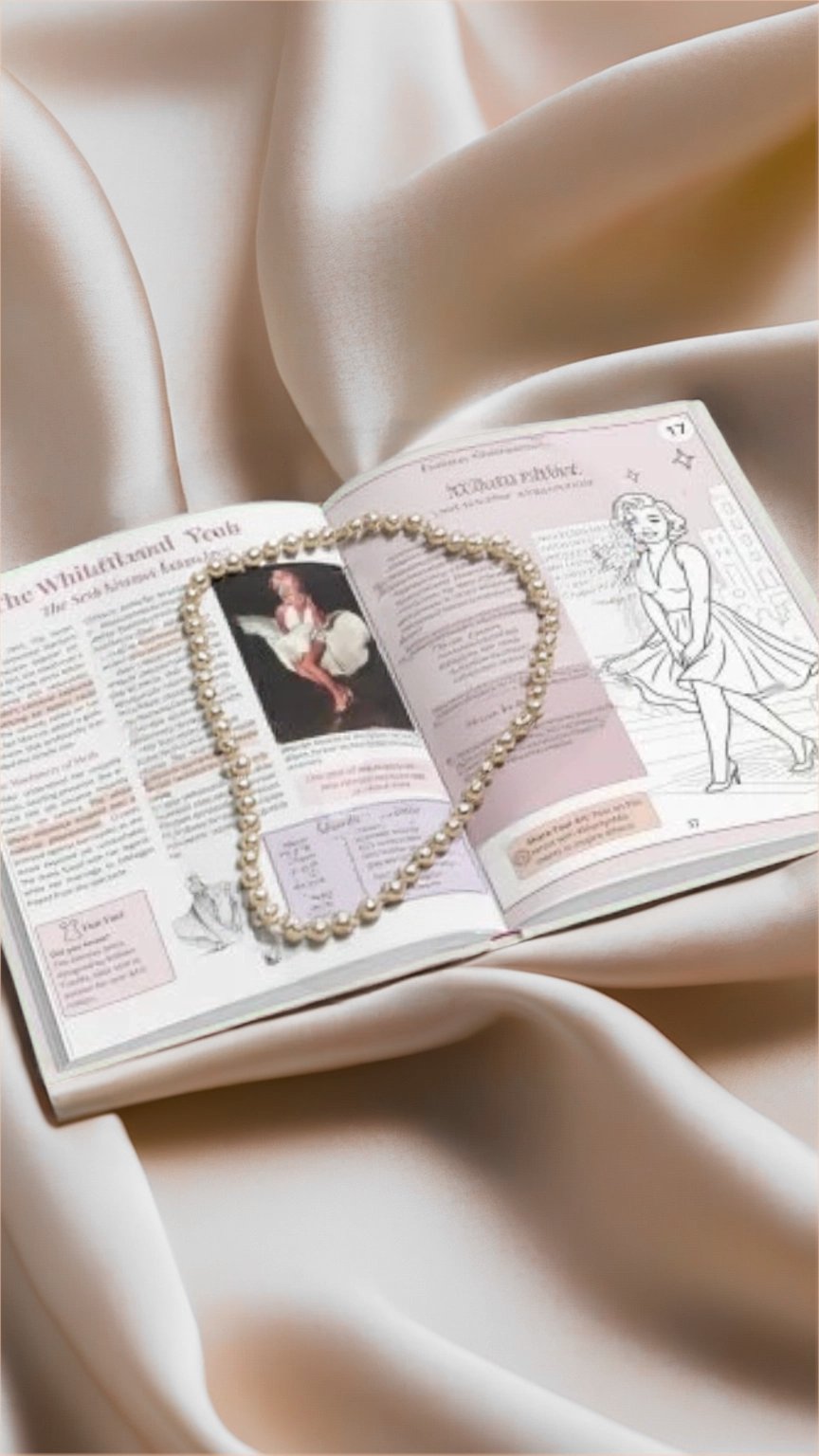
There is a quiet power in the details—a single pearl, a handwritten note, a soft margin. When we create from a place of softness, we tap into a universal frequency. Vulnerability is not a weakness; it is the bridge that connects one human heart to another. Marilyn’s presence reminds us that a whisper can be more powerful than a shout. You don’t have to be loud to be heard; you just have to be real.
Letting the Work Stay Imperfect
There is a dangerous myth in the creative world: the myth of the “finished” and “perfect” product. We see the polished images of Marilyn and we assume they were effortless. But her life was full of “fissures”—the retakes, the forgotten lines, the private struggles.
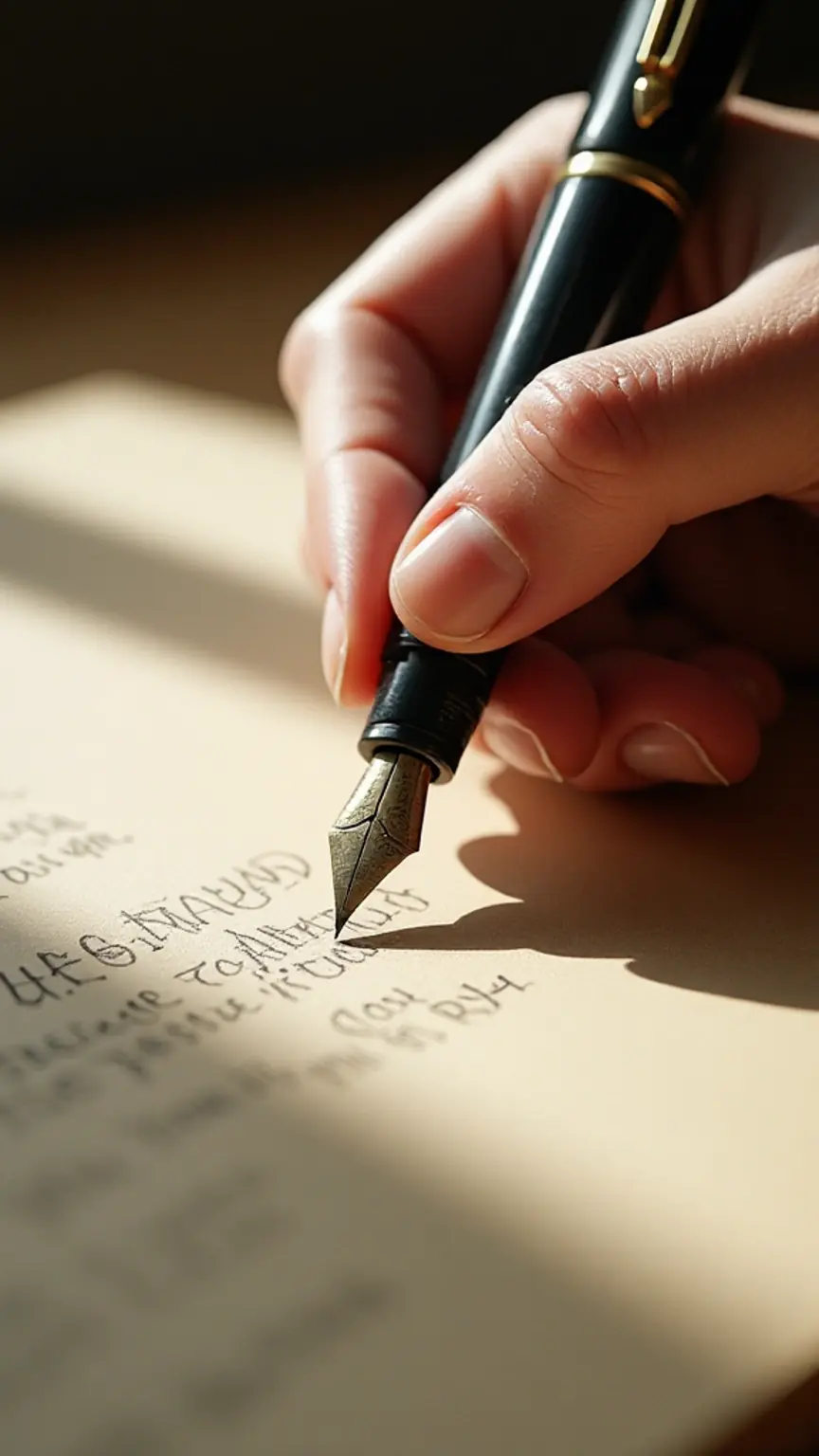
As a creator, I had to learn to let my work stay imperfect. I learned to love the scratch of the pen on the page, even when the words felt messy. A “good” page is not the one that looks like a magazine spread, but the one that feels like a true reflection of a moment. In our pursuit of creative self-expression, we must resist the urge to sanitize our thoughts. By embracing the imperfect, we allow our work to breathe.
What This Changed in My Own Creative Life
Before I began this project, I viewed creativity as a series of outputs. I wanted to “produce” a book. But spending time with Marilyn’s story changed the very chemistry of my process. It shifted my focus from the “what” to the “how.”
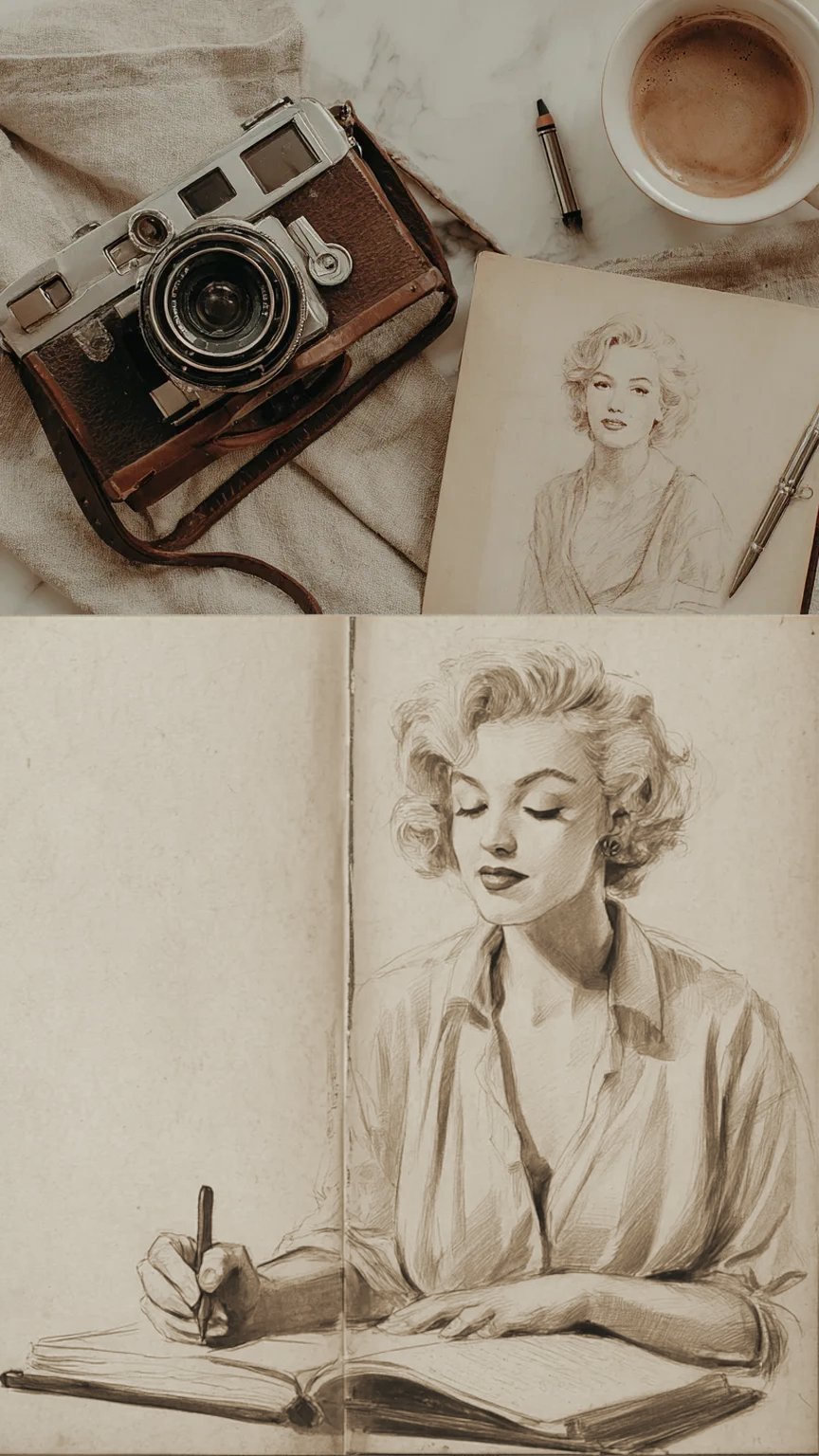
This project became a bridge between her era and my own daily practice. I started to value the quiet hours of research just as much as the hours of layout. Marilyn’s journey gave me the clarity to see my own creative path as a form of self-discovery.
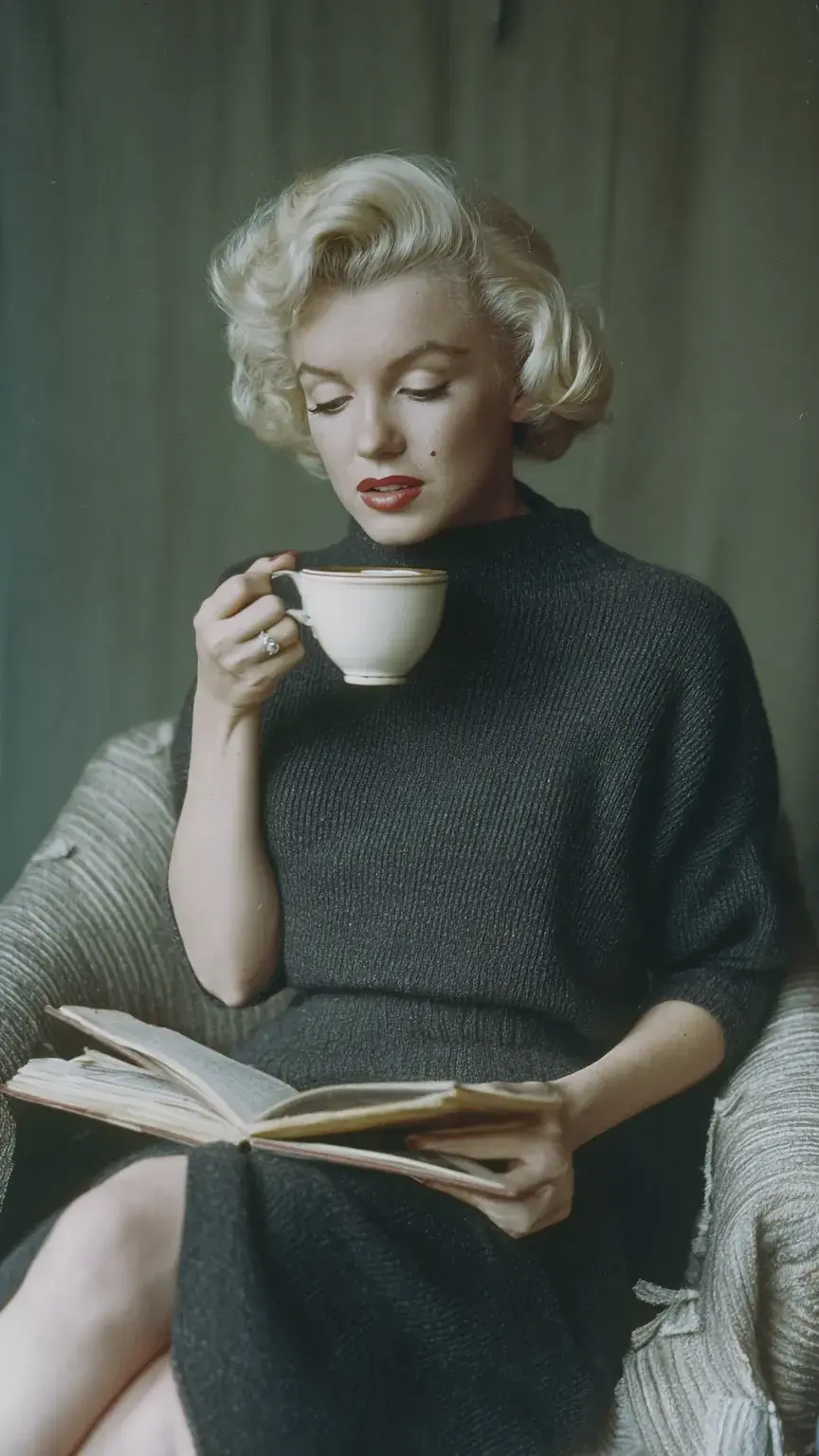
I realized that I needed to move more slowly, to find the sanctuary in the mundane moments of a morning coffee or a quiet afternoon of reading. This project became a sanctuary for me before it ever reached you. And that is the true purpose of any creative endeavor: to change the creator.
Passing the Inspiration Forward
The beauty of inspiration is that it is not a finite resource. It is a flame that grows as it is shared. Marilyn was inspired by those who came before her, and she continues to ignite the spark in those who follow.
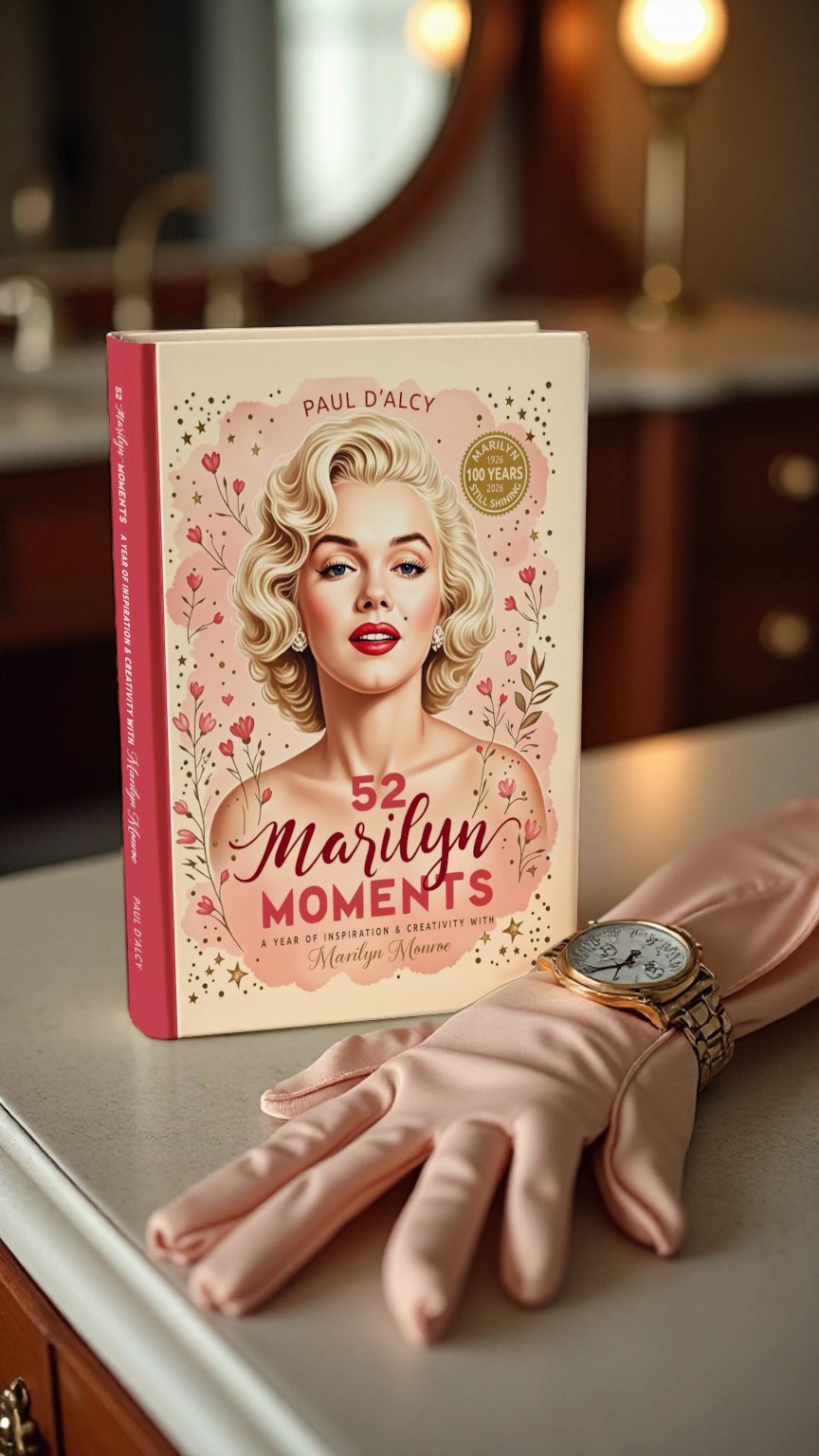
We are all, in our own way, trying to translate our hearts into a language the world can hear. As you hold this book, I hope you feel that same invitation. Marilyn never gave me instructions, and I don’t want to give them to you. Instead, I want to offer you the same quiet presence that she offered me.
Reflection Prompt: What has inspired you creatively without ever giving you instructions? How has that silent influence shaped the way you express yourself today?