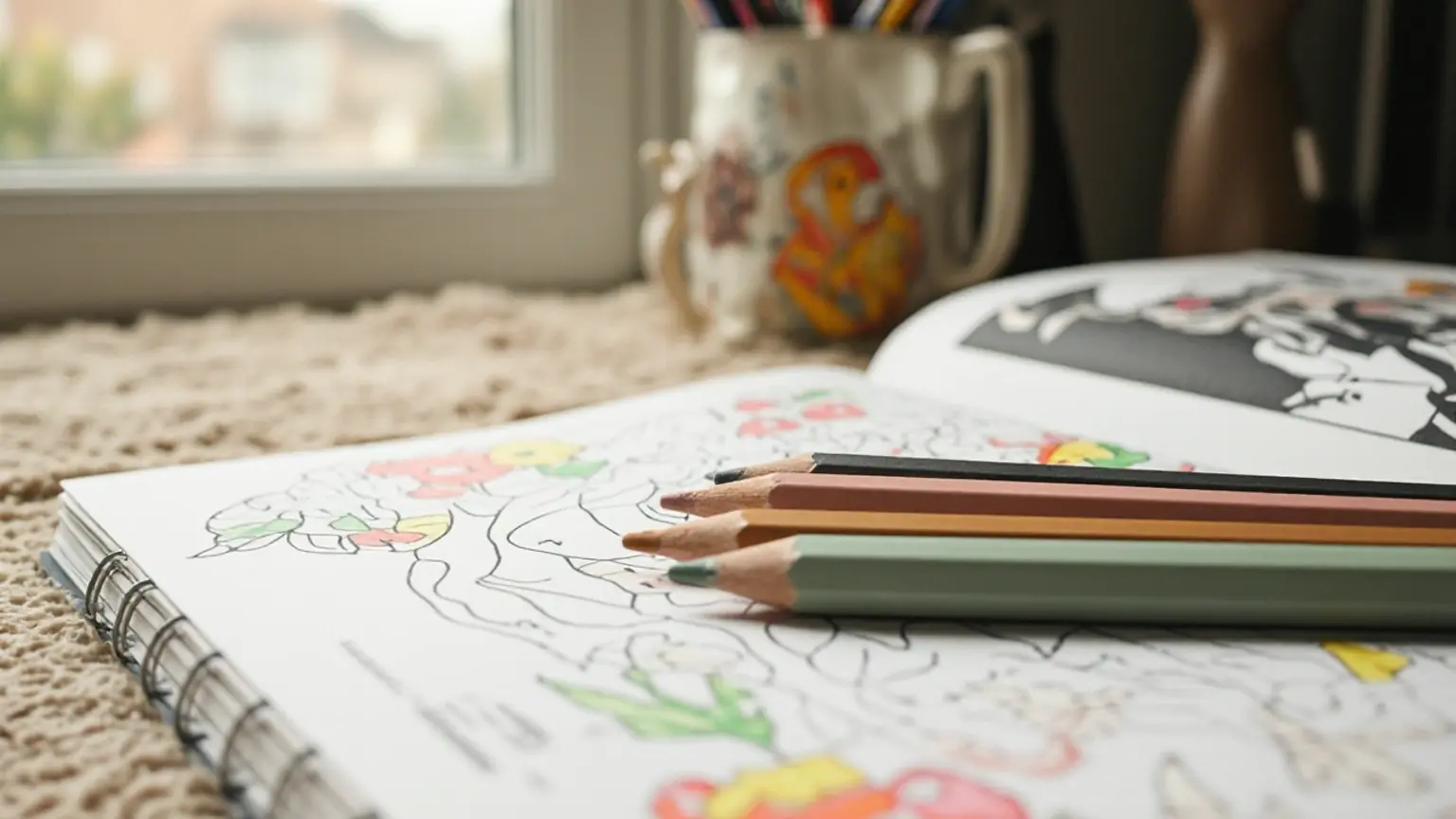
In our fast-paced, high-pressure world, we are constantly told to “be more” and “do more.” Even our hobbies often feel like they need to be productive. We take cooking classes to become chefs, or we exercise to hit specific data points on a watch. But what happens when our minds are simply too tired for another goal?
This is why many women are rediscovering a simple, tactile joy from their past: coloring as self-care.
While it may seem like a childhood relic, adult coloring has evolved into a sophisticated tool for emotional regulation. It is a quiet, non-verbal way to process stress and reclaim a sense of agency. When you pick up a colored pencil, you aren’t just filling in shapes; you are engaging in a mindful coloring practice that allows your nervous system to rest, your hands to move, and your mind to simply be.
Why Coloring Feels Comforting Again
There is a specific kind of safety found in the pages of a coloring book. For many of us, it triggers a deep-seated “sensory memory” of a time when life was simpler. This isn’t just nostalgia; it’s emotional safety.
The rhythmic, repetitive motion of the pencil moving back and forth across the paper has a grounding effect. Unlike a blank page that demands a new idea, a coloring page provides a structure. It tells you where to start and where to stop. This “contained” creativity provides a sense of control and security that is often missing from our daily digital lives.
The Science of Gentle Focus
While we don’t make medical claims, the psychological benefits of “soft focus” are well-documented. When you engage in coloring for adults, you enter a state of “low-stakes” concentration.
- Emotional Regulation: The focused attention required to color small details can quiet the “amygdala”—the part of the brain responsible for the fight-or-flight response.
- Presence: It acts as an anchor. When your eyes are on the pigment and your fingers feel the texture of the paper, it is much harder for your mind to spiral into worries about the future or regrets about the past.
- Active Meditation: For those who find sitting in silence difficult, coloring offers a “moving meditation.” It gives your “monkey mind” a simple job to do, allowing your deeper self to find stillness.
Why Adult Coloring Is Different From Kids’ Coloring
It’s a common misconception that adult coloring is just a more intricate version of a child’s activity. The difference isn’t just in the complexity of the lines; it’s in the intent.
- Intentionality: As adults, we use color to express moods we might not have words for. We use it to process a long day at work or a difficult conversation.
- The Aesthetic Experience: Adult coloring often focuses on sophisticated themes—botanicals, geometric patterns, or historical icons. It respects your maturity while inviting your inner child to play.
- The Pace: Children often color to “finish.” Adults color to “experience.” The goal isn’t the completed picture; it’s the ten minutes of quiet you find while working on it.

Coloring as a Creative Self-Care Ritual
To transform coloring from a distraction into a true creative self-care ritual, the environment matters. It is about creating a “sanctuary moment” in your day.
- The Setting: Find a spot with soft, natural light if possible. If you color at night, use a warm lamp rather than harsh overhead lighting.
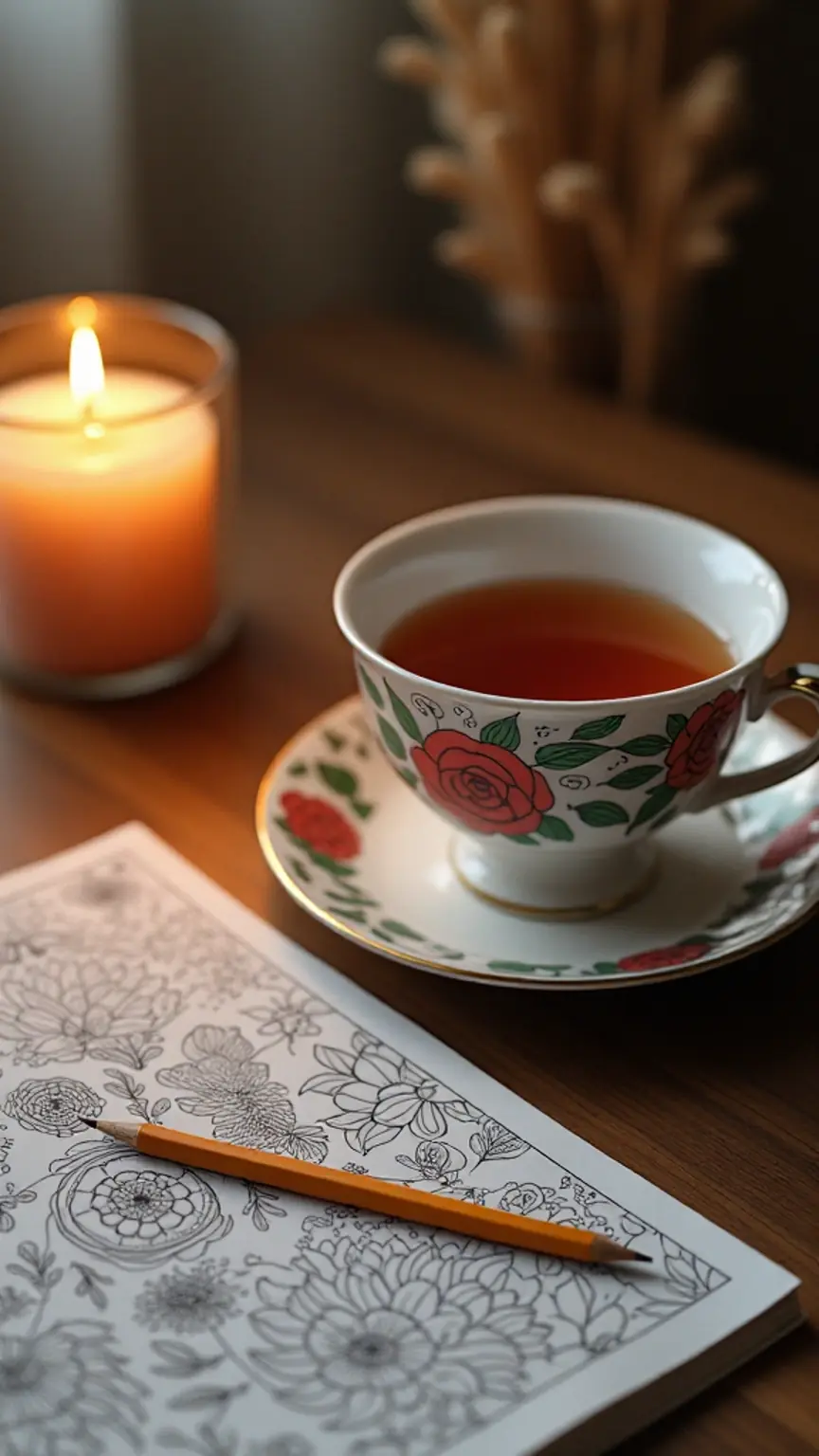
- The Sensory Additions: Light a candle, put on some soft instrumental music, or enjoy a cup of herbal tea.
- The Color Choice: Don’t worry about what looks “realistic.” If you feel like coloring a sky pink or a face blue, do it. Let your intuition guide your hand.
- The Silence: Try coloring without the background noise of a podcast or the TV. Notice the small “scritch-scratch” sound of the pencil on the page.
Letting Go of “Doing It Right”
The biggest barrier to coloring as self-care is the “perfectionism trap.” Many women feel that if they aren’t “artistic,” they shouldn’t bother.
But in this practice, there are no rules.
- You are allowed to go outside the lines.
- You are allowed to leave pages unfinished.
- You are allowed to use “clashing” colors.
True feminine empowerment includes the right to be “imperfect” in private. When you let go of the need for a beautiful result, you discover that the healing power of coloring lies in the process itself. You are building a muscle of self-trust—trusting that whatever you create is enough.

Who Is This Creative Practice For?
If you feel like you are “not an artist,” you are actually the perfect candidate for mindful coloring. It is a bridge back to creativity for those who have felt blocked or intimidated.
- The Stressed Professional: Who needs a way to “turn off” the analytical brain after work.
- The Sensitive Woman: Who feels the world deeply and needs a quiet, tactile way to process her environment.
- The Creative Spirit: Who feels “blocked” and needs a low-pressure way to interact with color again.
- The Beginner: Who wants a creative life but doesn’t know where to start.

When Coloring Feels Like Enough
In our productivity-obsessed culture, we often feel guilty for doing something “simple.” We feel we should be journaling deeply or learning a new skill. But sometimes, coloring as self-care is enough.
You don’t always need to produce a masterpiece or have a profound realization. Sometimes, the most radical act of self-care you can perform is to give yourself twenty minutes of quiet, colorful play. It is a way of saying to yourself: “My peace is important, even if the result of this time is ‘just’ a colored page.”
Reflection: Finding Your Comfort Color
Take a moment to look away from the screen and scan the room.
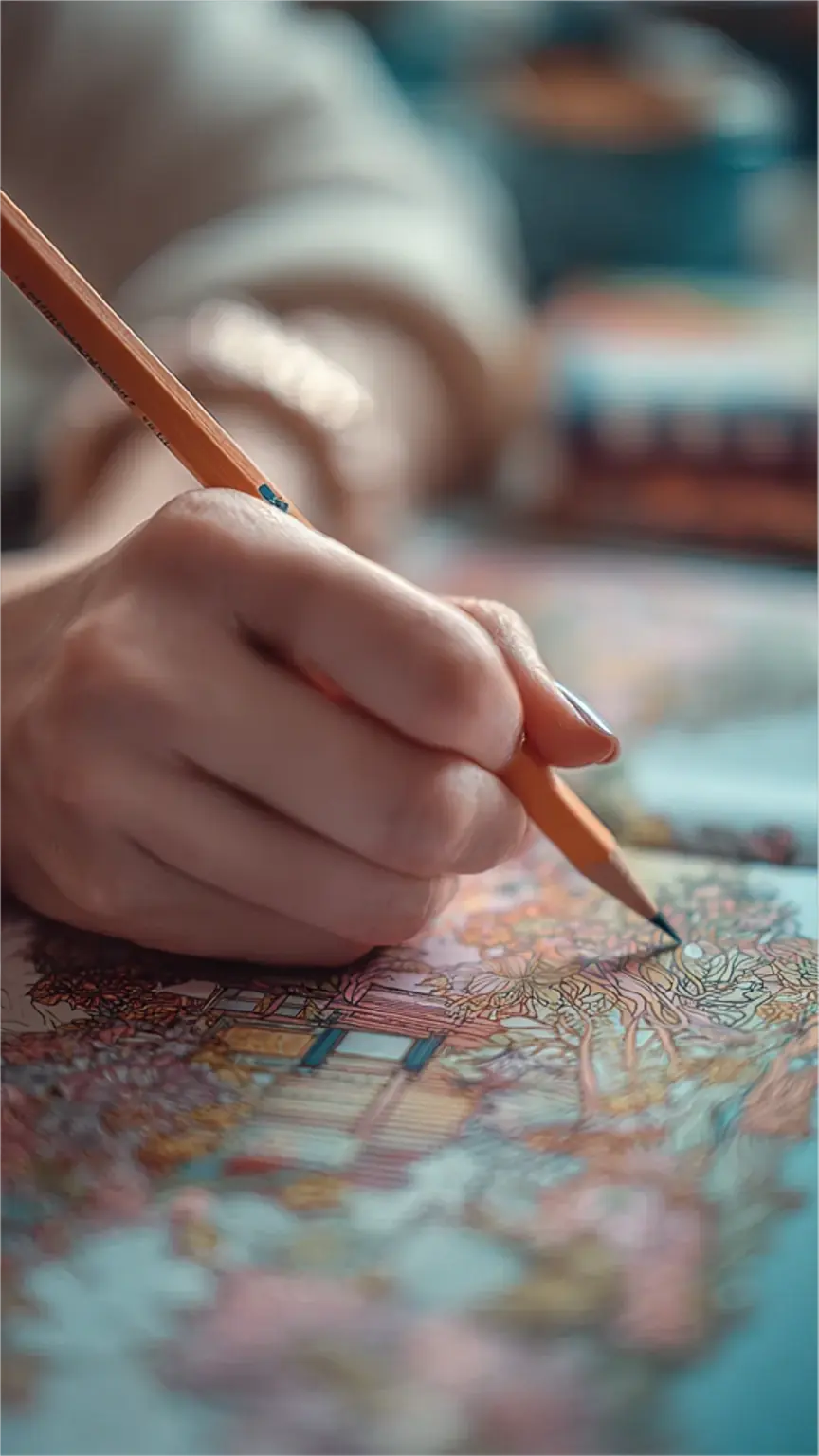
What color feels comforting to you right now? Is it a soft, dusty rose? A deep, stable forest green? Or a bright, hopeful yellow?
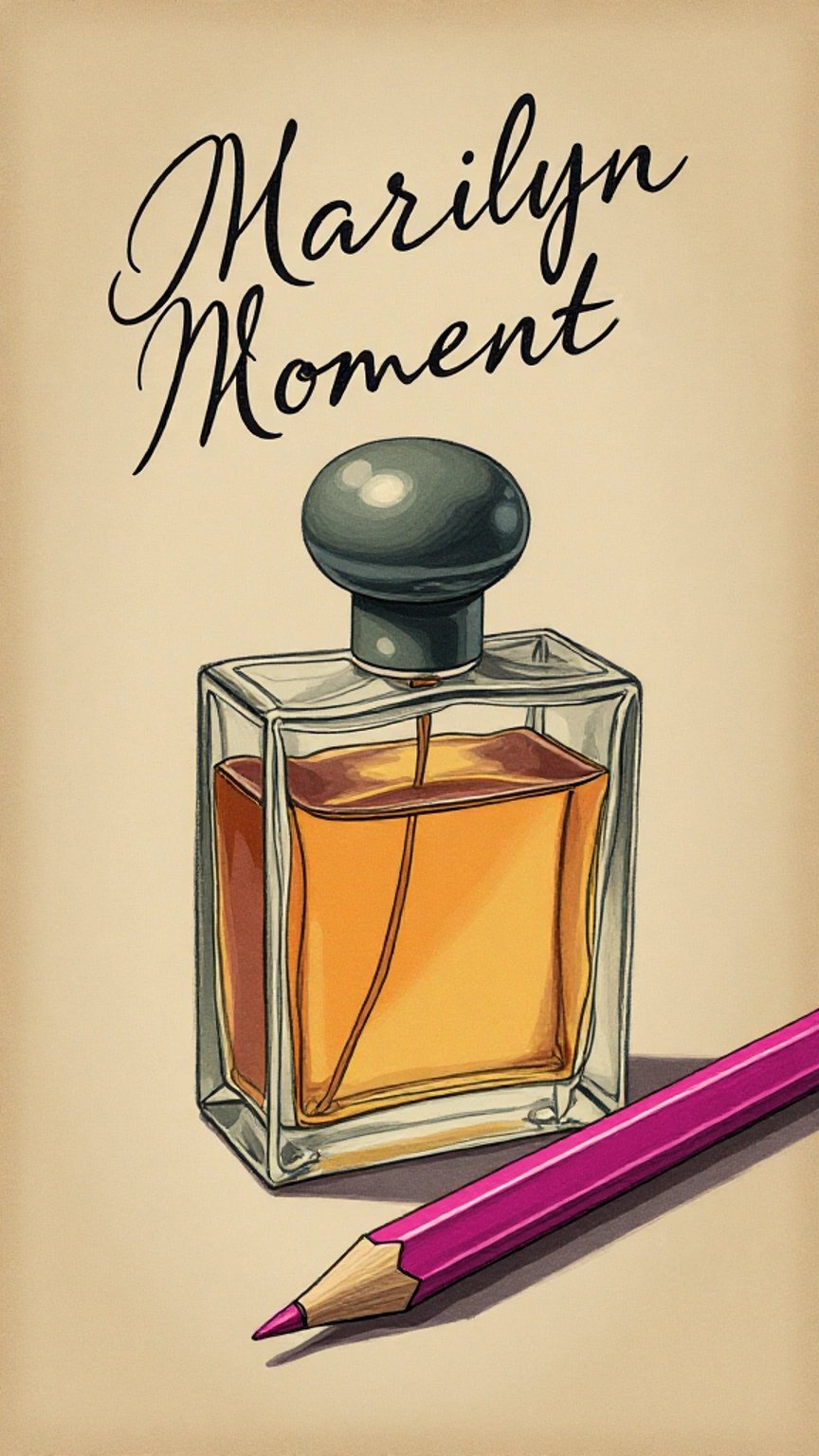
In our book, “52 Marilyn Moments,” we’ve included coloring pages that are designed specifically as “moments of pause.” They aren’t complex projects to be completed; they are invitations to sit with an icon of grace and find your own center through color. They are spaces where you can be “soft and strong,” one pencil stroke at a time.
Start Your Creative Pause
You don’t need an expensive kit to begin. All you need is a page and the permission to play. If you’re looking for more creative self-care ideas, explore our book.