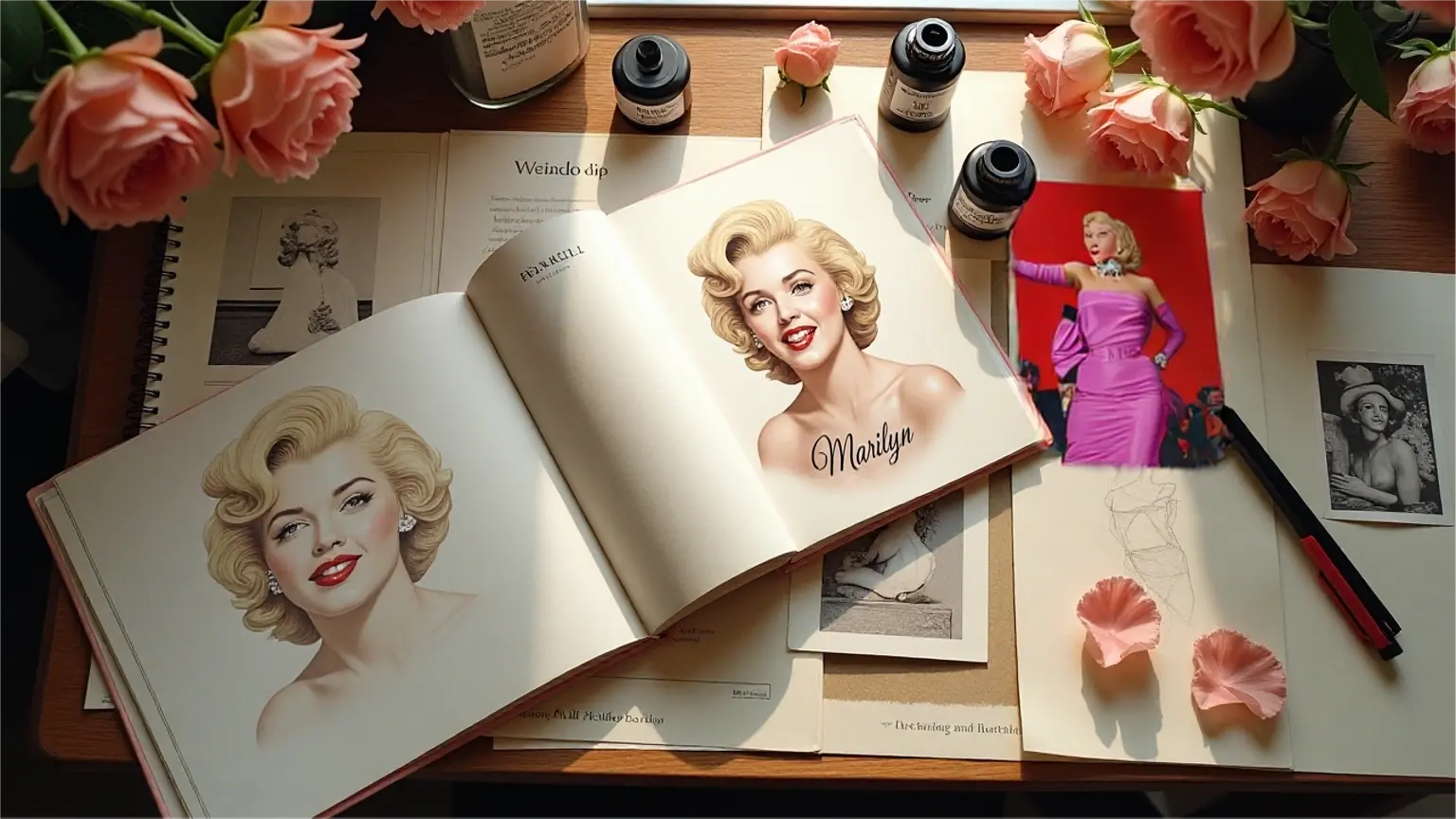
We are often taught that to create is to follow a map. We are told to start with an outline, move to a draft, and arrive at a finished product. But for this project—a book inspired by the multifaceted life of Marilyn Monroe—that rigid methodology felt like a betrayal of the subject itself.
The creative process is rarely a straight line. It is a series of loops, tangents, and quiet moments of waiting. To capture a woman as fragmented and intense as Marilyn, the process had to be organic. It had to be a movement rather than a checklist. If Marilyn’s life was a mosaic of public brilliance and private shadows, the making of this book had to honor that same complexity.
This is the story of how a “paper sanctuary” grew from a mere whisper of an idea into a physical object you can hold in your hands.
The First Image That Started Everything
Every project has a “patient zero”—a single spark that refuses to be ignored. For this book, it wasn’t a business plan or a market gap. It was a mental image: a single, discarded page from a 1950s starlet’s diary, resting on a velvet chair.
I kept coming back to the contrast between the high-gloss glamour we see in archival photos and the soft, tactile vulnerability of a handwritten note. That contrast became the North Star for the entire artistic process. I realized I didn’t want to make a biography; I wanted to create an experience that felt like finding a lost treasure in an attic—something intimate, weighted with history, but undeniably alive.
Research Without Overload
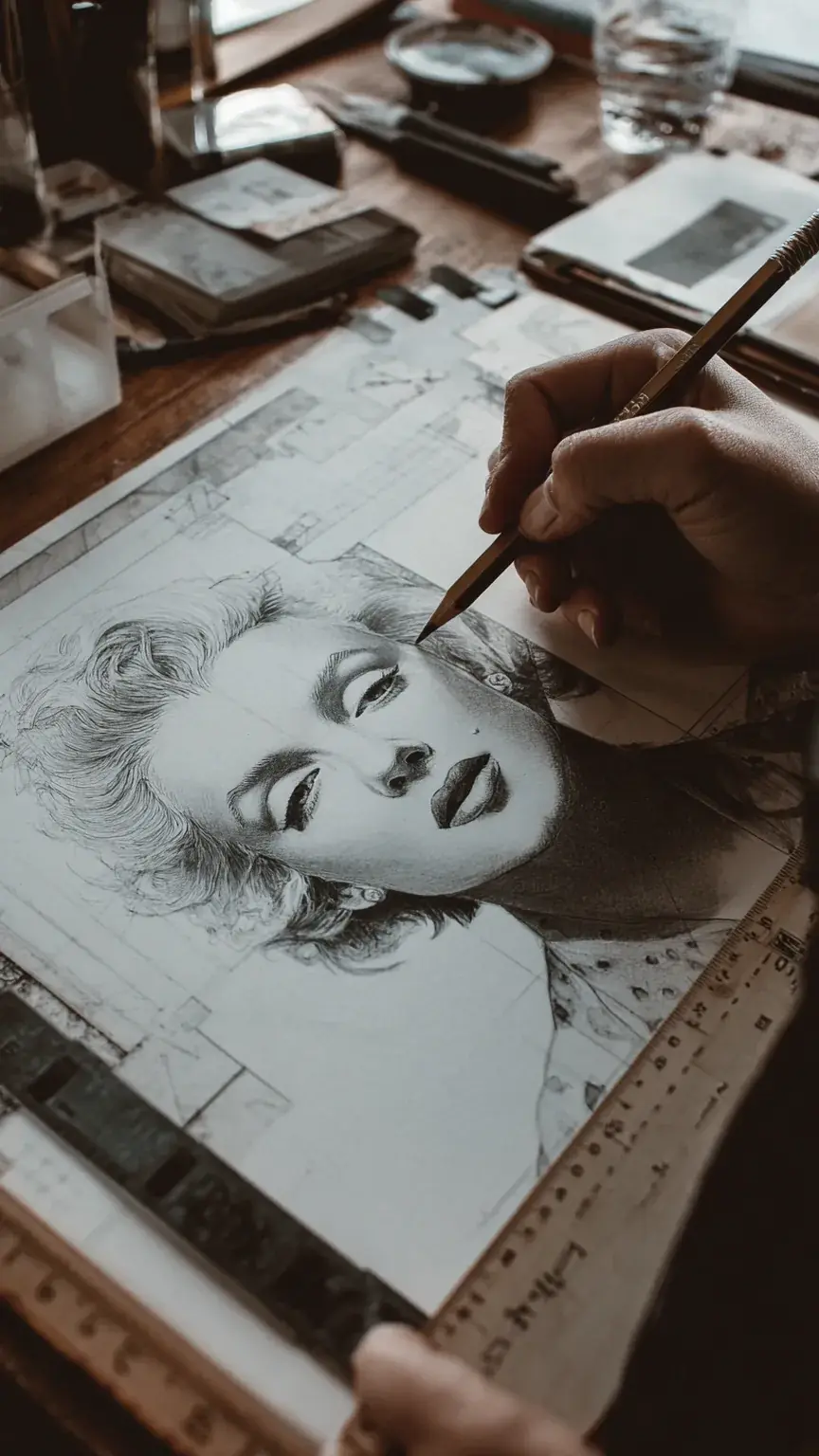
When your subject is one of the most photographed women in history, the “behind the scenes creative” work can quickly become overwhelming. There are thousands of books, millions of images, and endless opinions on who Marilyn Monroe actually was.
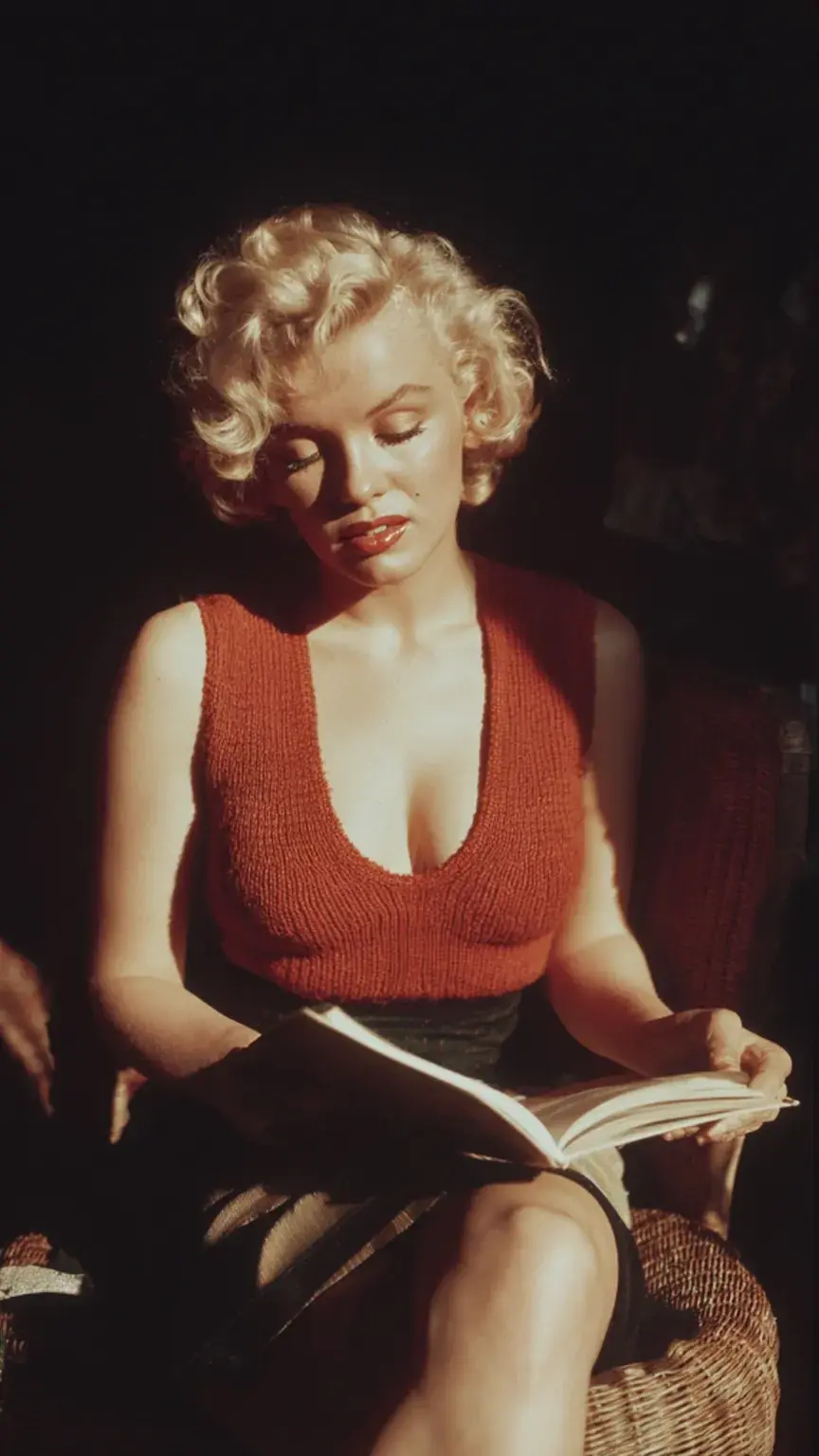
My creative book process involved a deliberate choice: selective immersion. Instead of trying to read every tabloid headline, I looked for the quiet archives. I looked at the books she actually owned (from Joyce to Kerouac), the way she underlined sentences, and the specific shades of ink she used. I used intuition as a filter. If a fact felt “loud” or sensationalist, I let it go. If a detail felt “quiet”—like her love for poetry or her habit of jotting thoughts on hotel stationery—I kept it. This wasn’t about data; it was about resonance.
From Notes to Pages
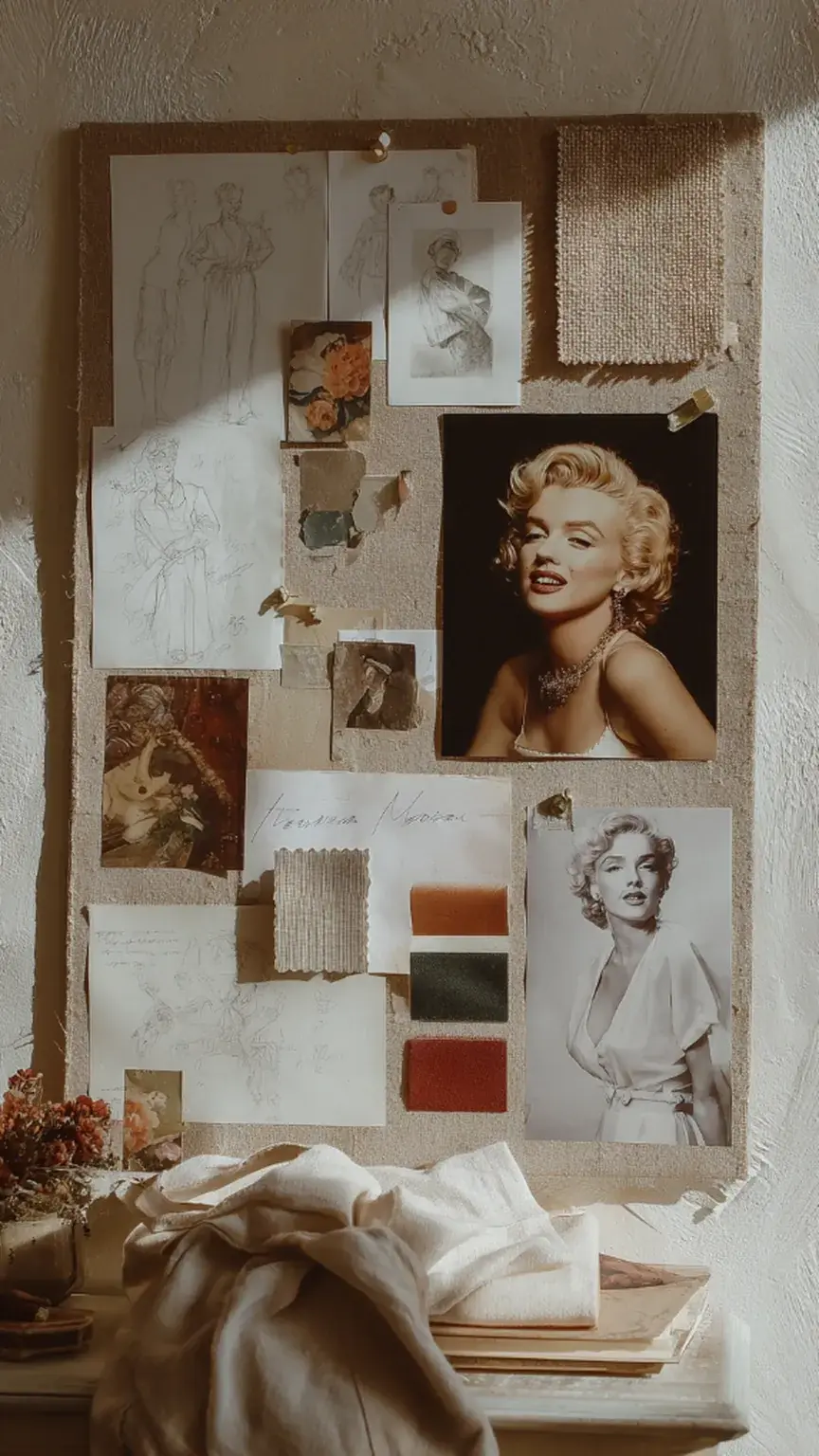
The transition from “idea” to “object” is the messiest part of the making of a book. My studio became a landscape of fragments. There were Post-it notes on mirrors, charcoal sketches of 1950s silhouettes, and piles of textured paper samples.
I believe that true creative authority comes from accepting this disorder. You have to let the pages be “ugly” before they can be beautiful. I spent weeks journaling in the “voice” of the project, sketching layouts that would never see the light of day, and playing with the physical rhythm of the paper. This stage wasn’t about design; it was about spirit. I was looking for the soul of the book in the scraps on the floor.
Designing a Rhythm, Not a Structure
One of the most vital parts of my creative process was the realization that this book needed breath.
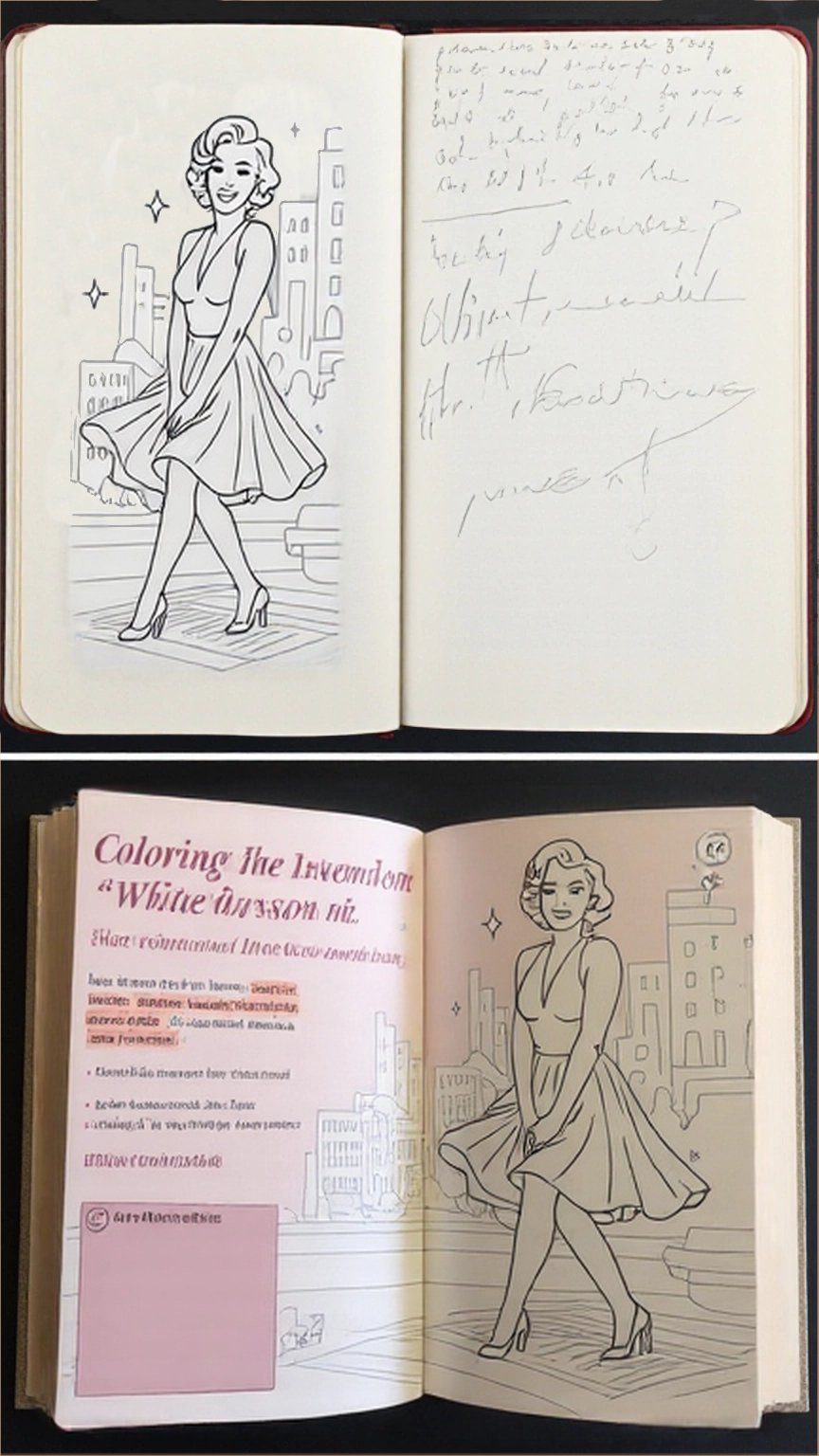
In design, we often feel the need to fill every inch of space. But for a Marilyn-inspired project, silence is just as important as sound. I began designing for rhythm—alternating between moments of high density (complex collages, rich textures) and moments of absolute stillness (blank space, a single quote, a pale wash of color).
This rhythm allows the reader to pause. It mimics the “inhale and exhale” of a real life. By focusing on the flow rather than a rigid table of contents, the book became a living thing—a sequence of emotional beats rather than just a collection of chapters.
Letting Marilyn Stay Human
In the artistic process, there is a temptation to “fix” the subject—to make the story more heroic or more tragic than it actually was.
Following a “feminist-soft” positioning, I made a conscious effort to let Marilyn stay human. I avoided the two-dimensional tropes: the “victim” and the “bombshell.” Instead, I leaned into the complexity. I wanted the pages to reflect a woman who was intellectual, ambitious, fearful, and funny all at once.
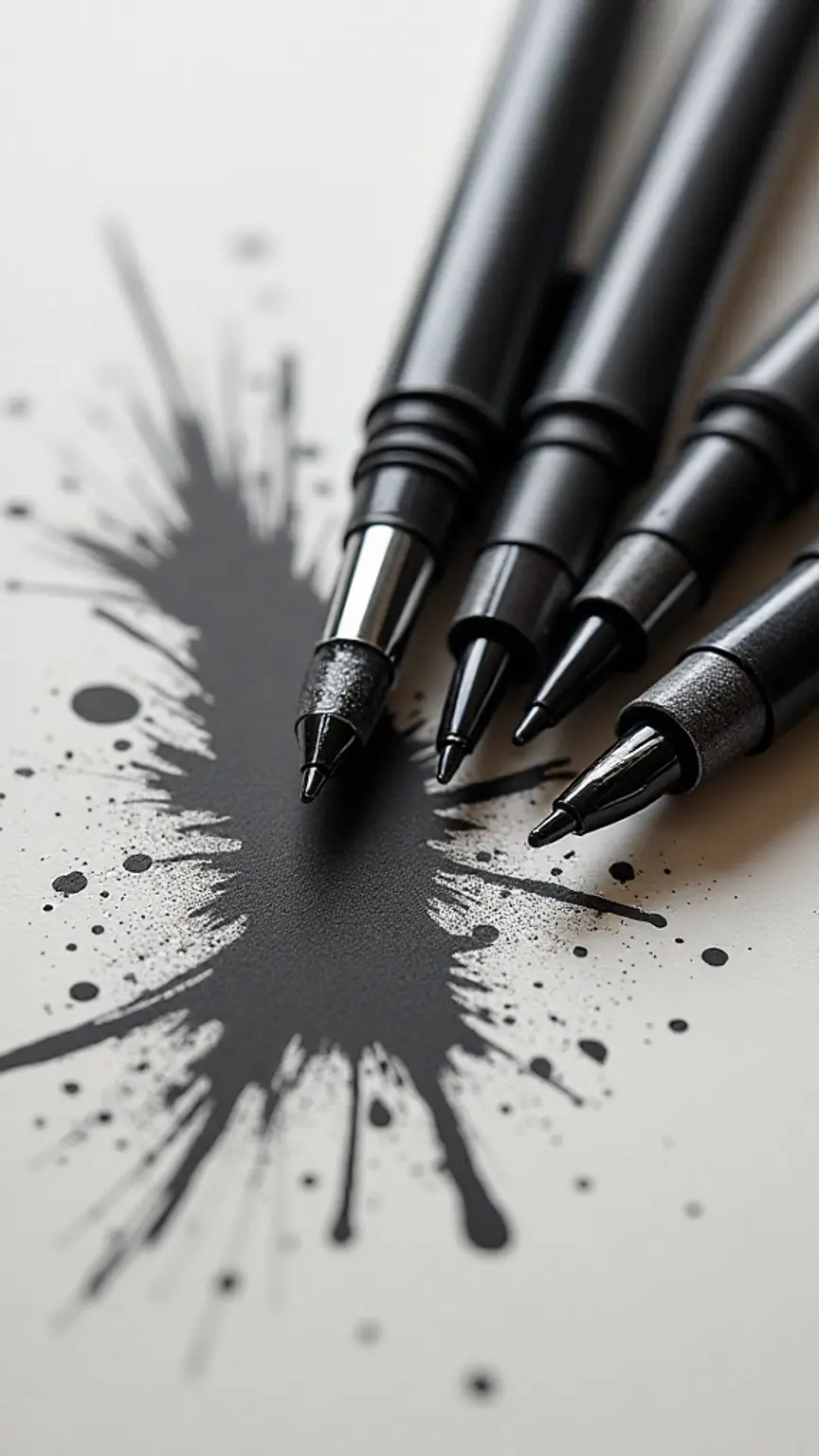
The goal was never to solve the “mystery” of Marilyn; it was to sit with her in the mystery. This meant choosing images and words that felt lived-in—ink splatters, imperfect lines, and textures that feel like skin rather than marble.
Knowing When to Stop
The hardest part of any creative process is the “stop.” There is always one more detail to add, one more quote to find, one more shadow to deepen.
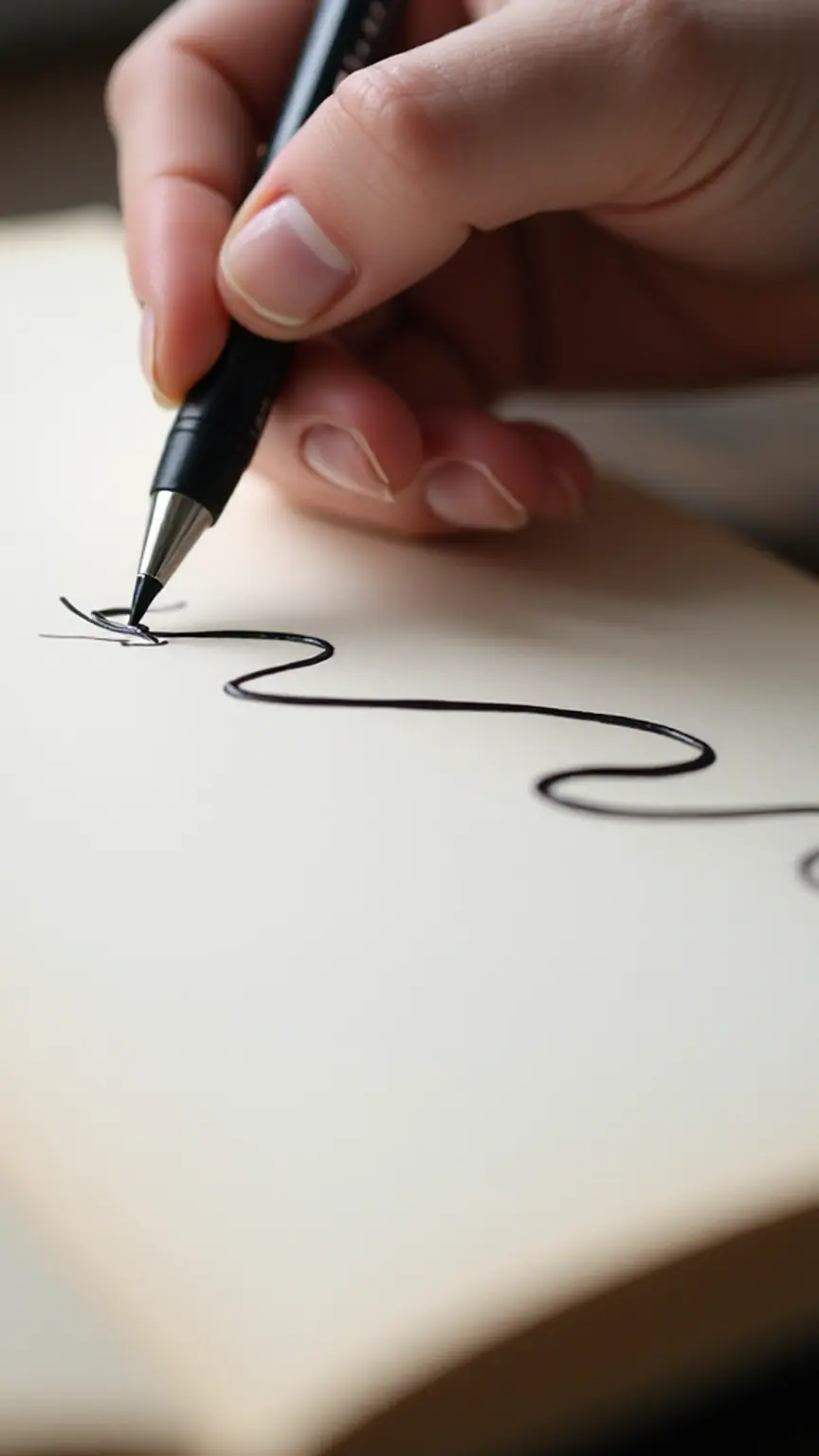
But a book like this needs room for the reader to enter. If I made it “perfect,” there would be no space for you. I knew it was finished when the pages felt like an open conversation rather than a closed lecture. I had to trust that the “incomplete” parts—the intentional white space and the simple lines—were exactly what would allow the reader to breathe and reflect.
Creation as an Act of Trust
At the end of the day, the creative process is an act of trust. You trust the initial spark, you trust the messy middle, and finally, you trust the reader.
This Marilyn-inspired book is a testament to the power of slowing down. It is a reminder that beauty isn’t found in efficiency, but in the time we take to look closer at the fragments of a life. Whether you are writing a book, painting a canvas, or simply curate your own home, remember that the “how” matters just as much as the “what.”
✍️ Reflection Prompt
Where in your own creative life are you trying to control what needs to flow?