
In the fast-paced, ever-shifting world of fashion, the word “icon” is often thrown around with little regard for its weight. Trends rise and fall with the speed of a social media scroll. But amidst the noise, one silhouette remains immovable. Six decades after her passing, the image of Marilyn Monroe is as vibrant and relevant as it was in the 1950s.
She is more than a movie star; she is a visual language. Whether it is the flutter of a white pleated dress, the shimmer of a “nude” gown, or the simple comfort of a black turtleneck, her wardrobe continues to be a primary source of inspiration for designers, photographers, and women worldwide. But why does Marilyn Monroe remain a fashion icon? Is it simply nostalgia, or is there something deeper in the way she constructed her image that speaks to the human soul?
Consistency Over Reinvention
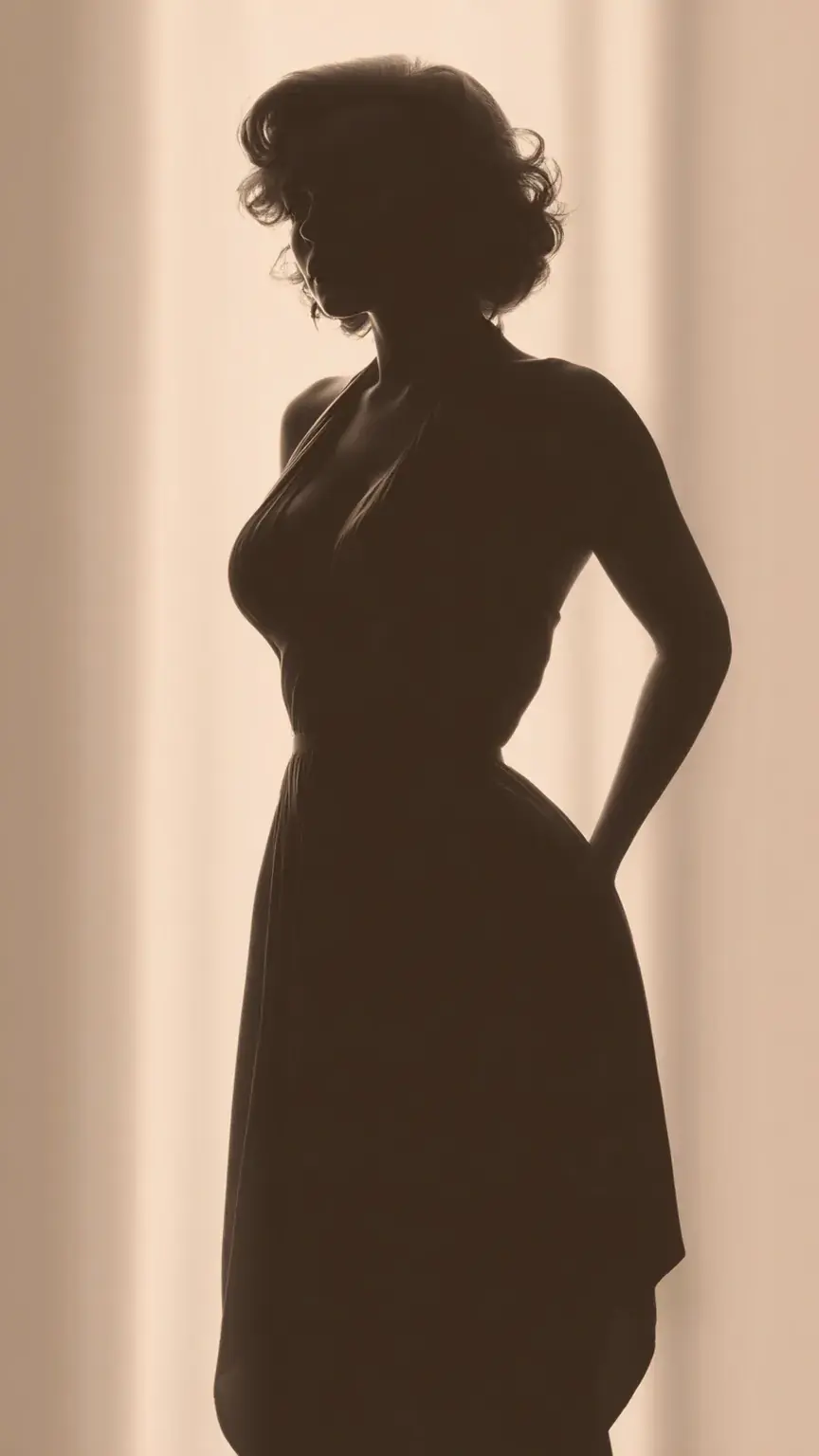
Modern icons—from Madonna to Lady Gaga—are often defined by their ability to reinvent themselves. They shift skins with every album or era. Marilyn took the opposite approach. Once she discovered the “Marilyn” persona, she refined it with obsessive consistency.
She understood the power of a signature look. By maintaining her platinum blonde curls, her specific eyeliner flick, and her preferred silhouettes, she became a recognizable “logo.” You don’t need to see her face to know it’s her; her outline is enough. This consistency created a sense of stability and reliability. In a world that is always changing, there is a deep, psychological comfort in an image that stays the same.
Style as an Emotional Language
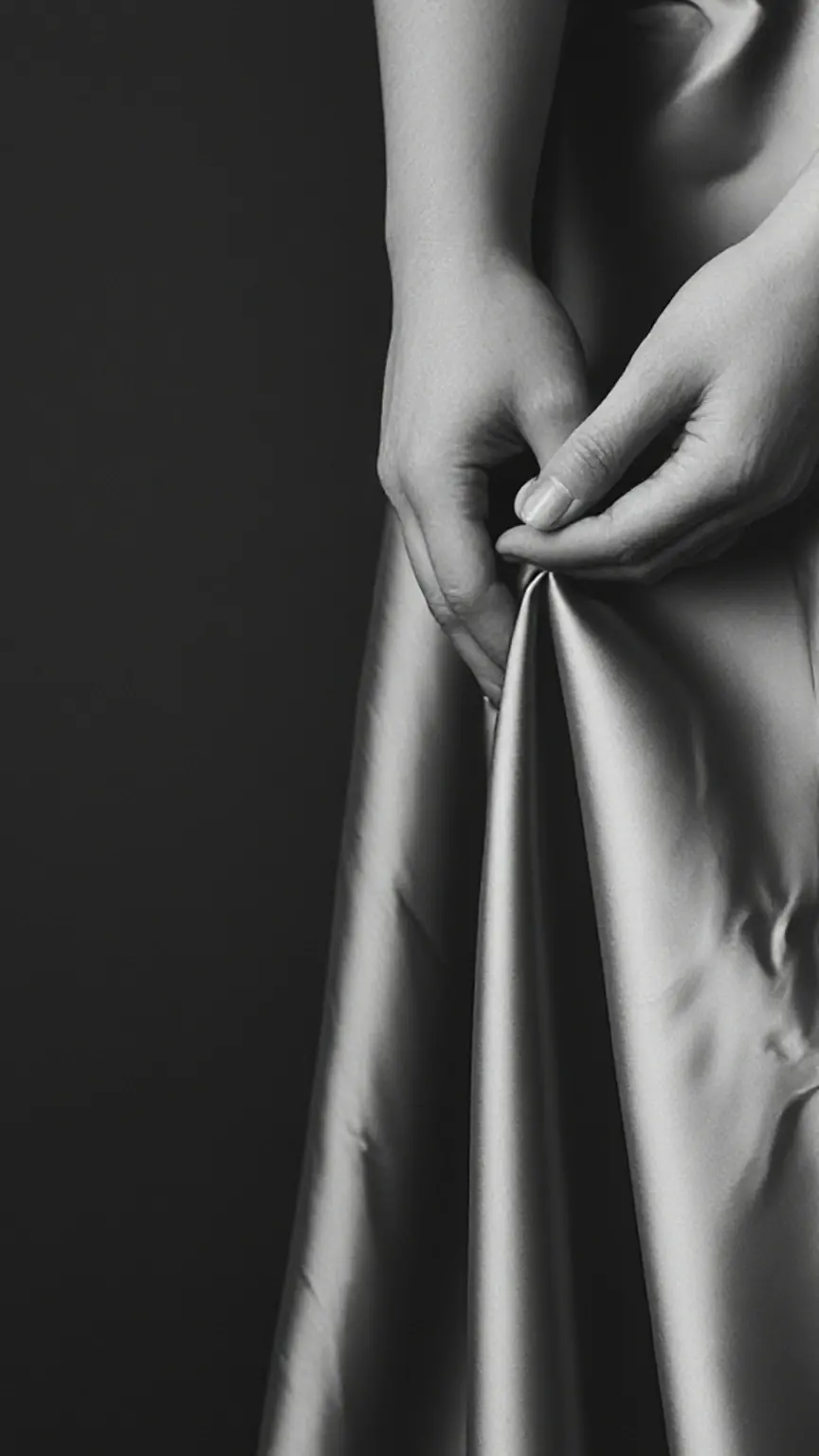
Marilyn didn’t just wear clothes; she wore emotions. She understood that fabric is a form of non-verbal communication. When she wore heavy satin, she was projecting a hard, reflective glamour. When she wore soft cashmere, she was inviting the world into a space of intimacy and vulnerability.
In the Marilyn Monroe fashion icon playbook, she designed every choice to evoke a feeling. She used her style to bridge the gap between her public persona and her private self, allowing us to feel as though we knew her, even through a two-dimensional photograph.
Glamour Without Distance
High fashion often carries a “coldness.” Icons like Grace Kelly or Audrey Hepburn projected a sense of refined, aristocratic distance. Marilyn was different. She practiced “warm glamour.”
Her style always took root in the body. It wasn’t about the dress being beautiful on a hanger; it was about how the dress moved with her breath and her stride. This made her style feel accessible, even when she was dripping in diamonds. She never looked like she was wearing a costume; she looked like she was inhabiting her life. This “humanity” is why women still identify with her—she made glamour feel like something a real woman could possess.
The Duality of Public vs. Private Style
One of the most compelling reasons Marilyn remains a fashion icon is her mastery of the “on-duty” versus “off-duty” contrast. We have explored her and her in depth, but it is the relationship between the two that matters.
She showed the world that a woman could be two things at once: a goddess of the screen and a girl in a pair of jeans. This duality resonates with modern women who are constantly juggling different roles. Marilyn gave us permission to be multifaceted. She proved that you don’t lose your power when you take off the heels; you just change the frequency of your presence.
Fashion as Agency
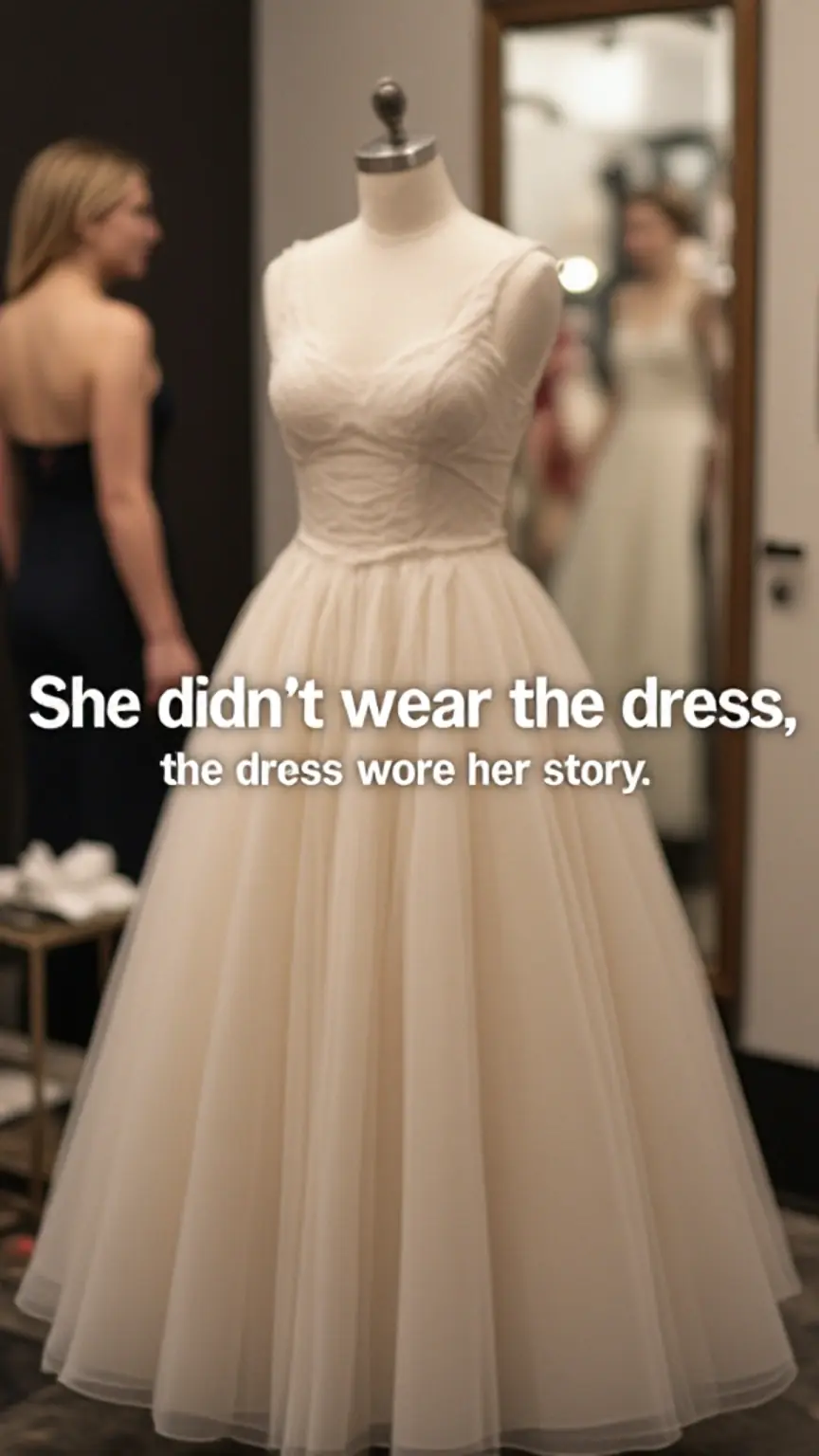
For a long time, the narrative cast Marilyn as a mere “product” of the studio system. Fashion history, however, tells a different story: she deeply involved herself in her own image-making. She closely collaborated with designers like William Travilla and Jean Louis, often dictating her clothes’ exact fit and fabric, because she used fashion as agency.
She knew that the way she dressed would dictate the way the world treated her. By leaning into her femininity rather than apologizing for it, she claimed her space in a male-dominated industry. Her style wasn’t a submissive act; it was a strategy. This sense of self-authored identity is what makes her a modern hero for women navigating their own visibility.
Why Her Style Still Resonates Today
In 2025, we are experiencing “visual fatigue.” We are bombarded with fast fashion and hyper-filtered images. Marilyn’s style offers an antidote: Softness.
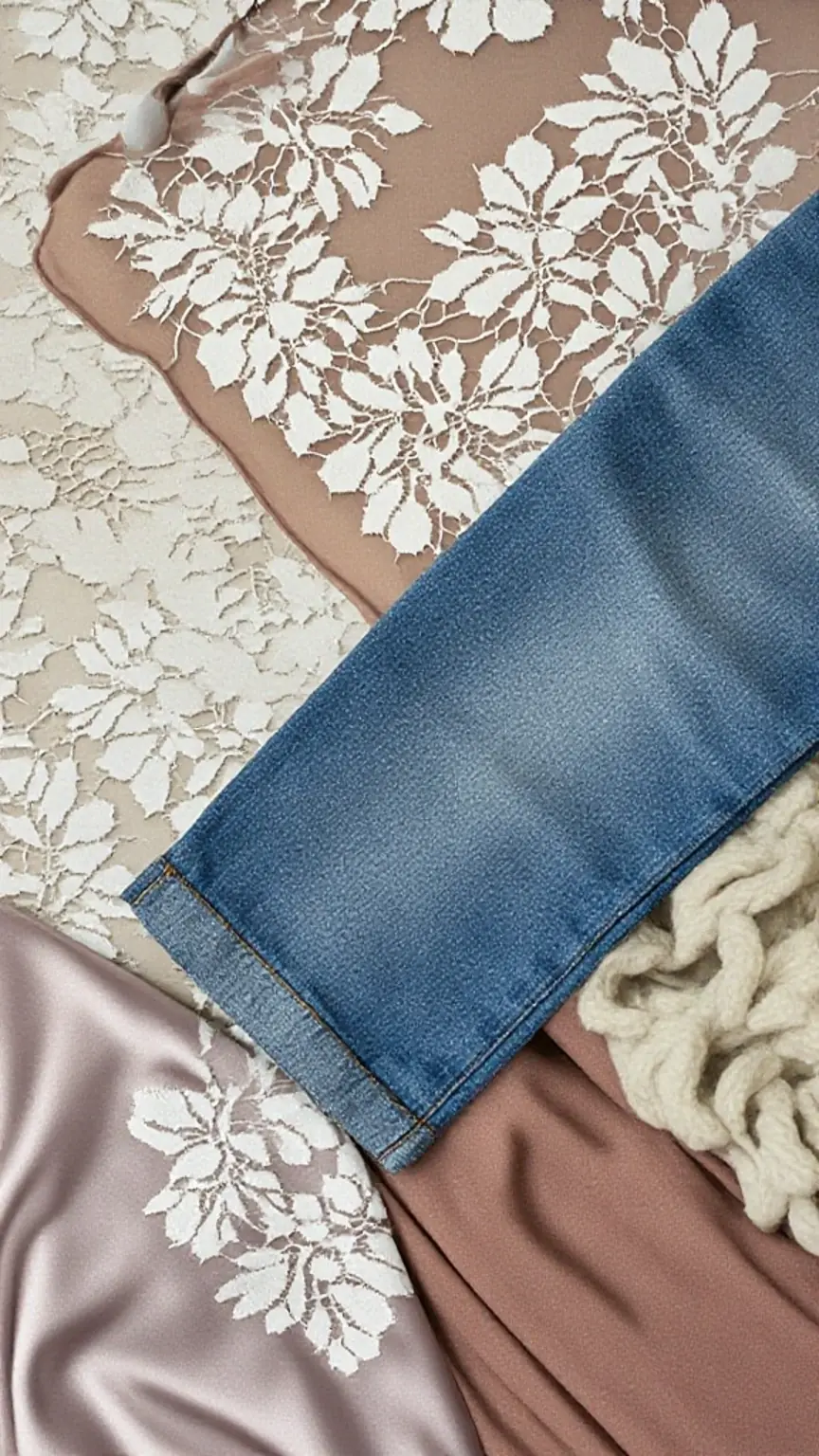
There is an “incarnate softness” in her aesthetic that feels like a refuge. Her clothes had texture—they had weight and movement. Modern women are returning to her style because they are looking for a version of femininity that is grounded and soulful rather than sharp and digital. Whether it’s the “Old Hollywood” trend on TikTok or the “Quiet Luxury” movement, these aesthetics find their roots in the way Marilyn dressed.
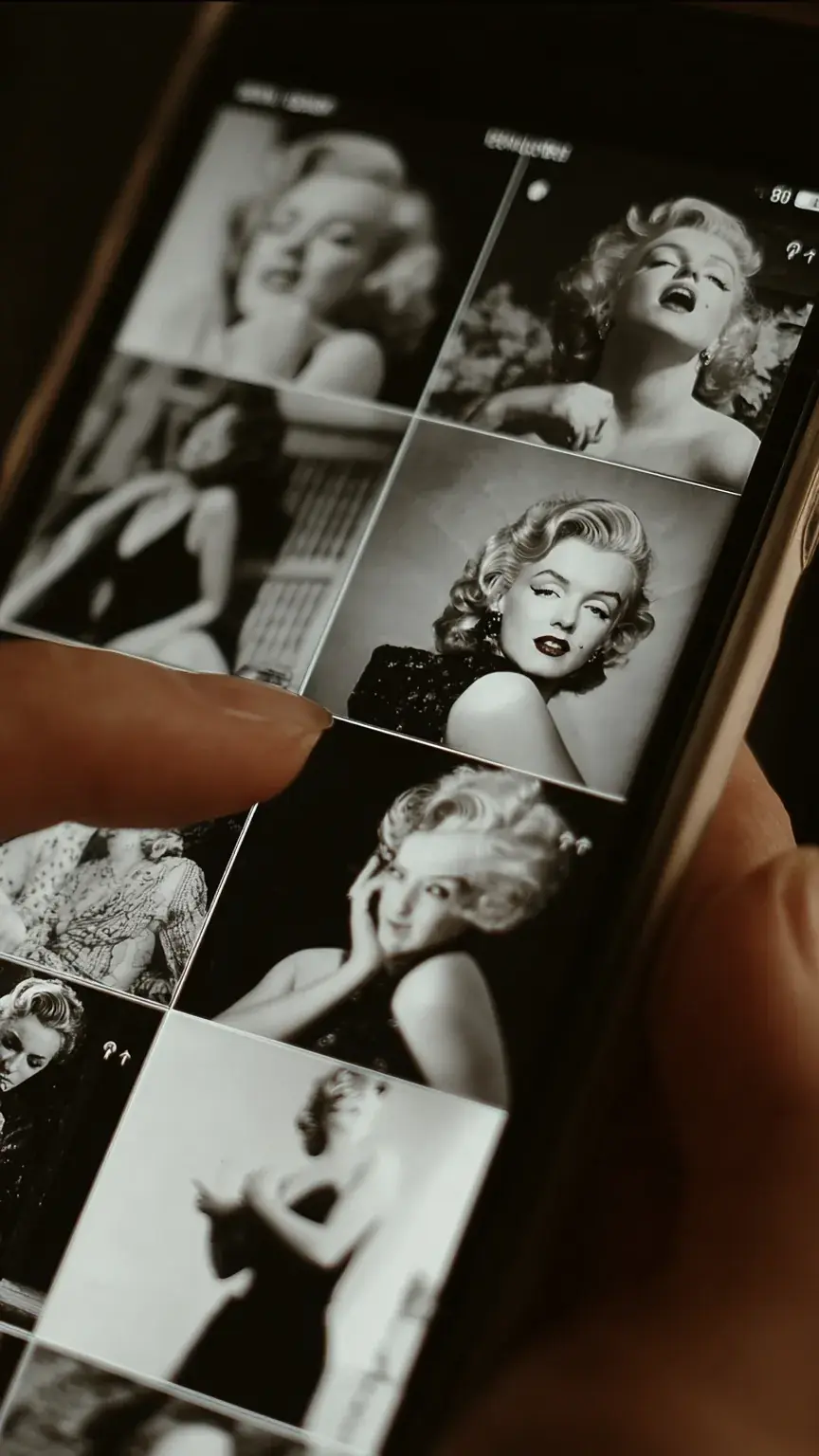
Pinterest, Memory, and the Digital Afterlife
Why is the Marilyn Monroe fashion icon tag still one of the most searched on Pinterest? It’s because her images are “save-worthy.” They follow the classic rules of composition, light, and balance.
Her photos are not just pictures; they are memories. Because she was so consistent, her images have a “cumulative effect.” Every new pin of her in a white dress or a black sweater reinforces the myth. She has become a visual archetype—a shorthand for “The Woman.” In the digital afterlife, she has become immortal because her style was built on timeless principles rather than temporary trends.
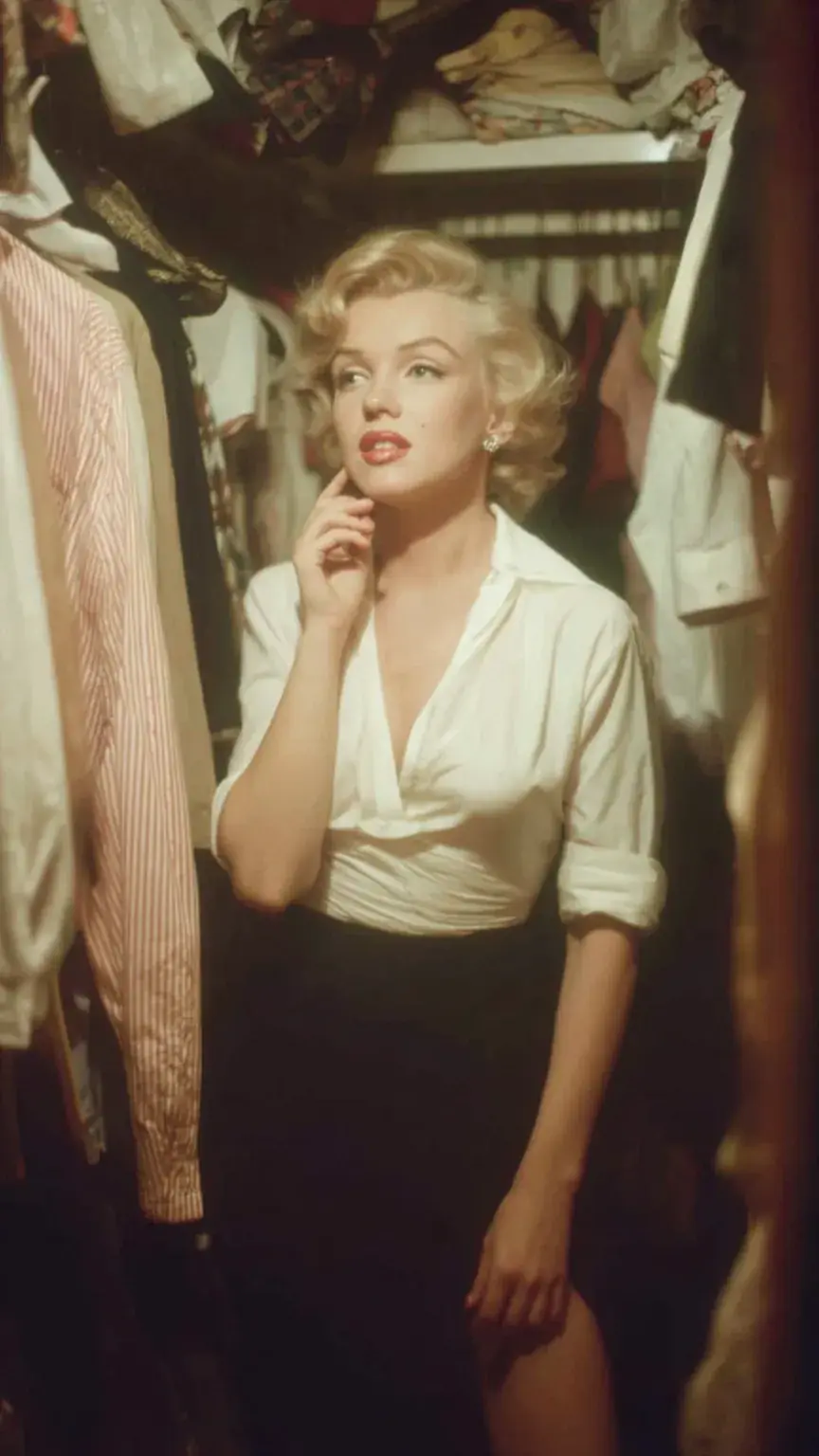
Marilyn as a Mirror
Ultimately, Marilyn Monroe remains an icon because we see ourselves in her. Every woman knows what it feels like to want to be seen (the Jean Louis gown) and what it feels like to want to hide (the trench coat). We know the effort it takes to build a “look” and the relief of letting it go.
She is a mirror for the feminine experience. We project our own desires for confidence, our own struggles with visibility, and our own need for comfort onto her. She isn’t just an icon of fashion; she is an icon of the experience of being a woman in the public eye.
What We Can Learn (Without Imitating)
To honor Marilyn as a fashion icon, we don’t have to wear her clothes. We have to adopt her mindset.
- Find Your Signature: What is the one thing you return to when you want to feel like “you”?
- Choose Quality Over Quantity: Marilyn’s best looks were simple but perfectly executed.
- Respect Your Body: Wear clothes that move with you, not against you.
- Own Your Presence: Whatever you wear, wear it with the intention of being present in the moment.
The goal isn’t to be Marilyn; the goal is to find the same level of clarity and intention in your own style that she found in hers.

Reflection: Your Timeless Piece
Fashion is what you buy; style is what you keep. Marilyn kept her blonde, her curves, and her love for simple, elegant lines. She knew what worked, and she stood by it.
What part of your style feels timeless to you? If someone were to draw your silhouette fifty years from now, what would define it?
In our activity book, “52 Marilyn Moments,” we explore the concept of the “Soulful Wardrobe.” We move away from the “shoulds” of fashion and toward the “feels” of style. We invite you to look at your closet not as a collection of trends, but as a collection of moments.
Marilyn Monroe is still a fashion icon because she was brave enough to be herself—even when “herself” was a masterpiece of her own creation. You are allowed to do the same. You are allowed to be the architect of your own light.
Style is a conversation between you and the world. Make sure you’re the one who starts the dialogue. Explore your presence, your power, and your own “Marilyn Moment” every single day.