The phrase is everywhere. It’s emblazoned on coffee mugs, used as a hashtag for every minor achievement, and featured in every corporate empowerment speech. We’ve turned the “Strong Woman” into a cultural archetype—a modern-day goddess who never sleeps, never fails, and certainly never cries in the bathroom.
But for many of us, this version of the strong woman has become a burden rather than an inspiration. There is a silent fatigue growing around the term. We feel like if we aren’t “crushing it” in every area of our lives, we’ve somehow failed the title.
Today, we need to ask: What does it actually mean to be a strong woman in the real world? Not the world of filters and slogans, but the world of nuance, doubt, and quiet persistence.
How the Definition of a Strong Woman Has Changed
Historically, the strong woman meaning was tied to endurance. It was the woman who sacrificed everything for her family, who “put up” with difficult circumstances without complaint, and who survived through sheer grit. Strength was a survival mechanism.
In the late 20th century, the definition shifted toward performance. Strength became synonymous with “having it all”—the career, the family, the perfect home, and the perfect body.
Today, we are witnessing a third evolution. Modern strength is moving away from what you can do and toward who you are willing to be.
The Problem With the “Do-It-All” Narrative
The most dangerous cliché of the strong woman is the “Do-It-All” narrative. We’ve been sold the idea that strength is a measure of how much pressure we can handle before we break. This isn’t strength; it’s a recipe for burnout.
When we equate strength with invulnerability, we accidentally create a culture where women feel they have to hide their humanity to be respected. If you are exhausted, if you are struggling with your mental health, or if you simply don’t want to “lean in” today, it doesn’t mean you are weak. It means you are a person.
True strength today is the ability to say, “I cannot do this all, and I choose not to.”

Strength as Self-Trust
If we look deeper, we find that a strong woman is essentially a woman who trusts herself.
This self-trust is the quiet engine of confidence. It’s the ability to:
- Say Yes to opportunities that align with your truth, even if they are scary.
- Say No to people or projects that drain your soul, even if it feels “selfish.”
- Trust your intuition when the world is telling you something else.
You don’t need external proof to be strong. You don’t need a trophy or a specific job title. Strength is the internal coherence between your values and your actions.
Emotional Strength Is Still Strength
In our previous discussions on , we touched on the idea that sensitivity is a resource. In the context of women empowerment, we must reclaim emotional intelligence as a core pillar of power.
Being a “strong woman” today means:
- Feeling deeply: Not letting the world harden you.
- Asking for help: Recognizing that independence is often a trauma response, while interdependence is a sign of maturity.
- Changing your mind: Having the strength to admit when a path is no longer right for you.
- Slowing down: Rejecting the “hustle” when your body needs rest.
For the sensitive woman, your strength isn’t found in how much you can suppress your feelings, but in how well you can navigate them.
Marilyn Monroe and a Different Kind of Strength
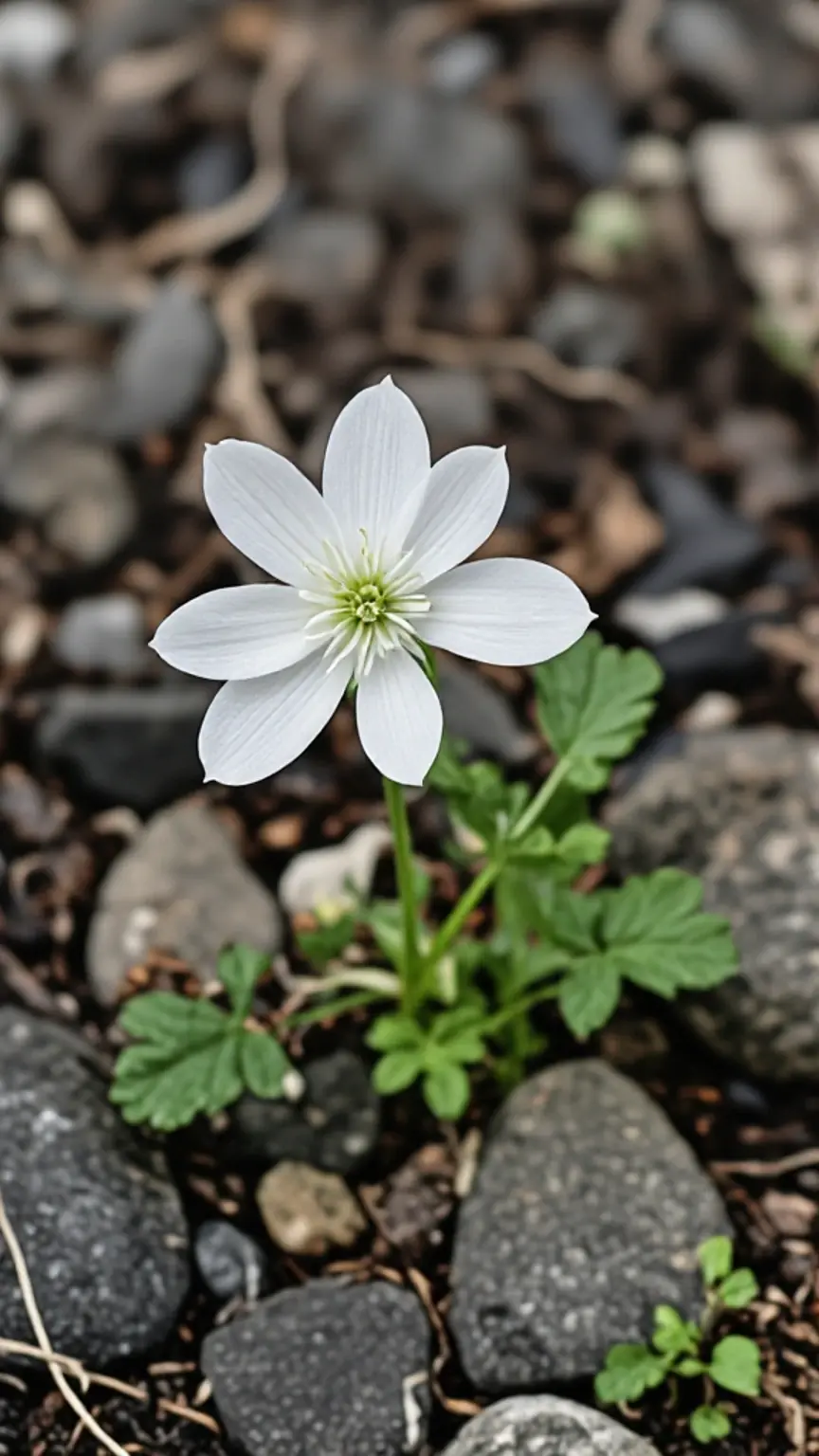
When we think of a strong woman, Marilyn Monroe isn’t always the first name that comes to mind—and that is exactly why we should look at her.
Marilyn’s strength was non-linear. She was a woman of profound contradictions: terrified of the camera yet conquering the screen; deeply insecure yet negotiating her way to becoming her own producer; often “broken,” yet continually reassembling herself in new, more complex ways.
Marilyn reminds us that you can be “strong” and “struggling” at the same time. Her strength was found in her relentless search for her own truth. She didn’t have a map, and she didn’t have a “girlboss” handbook. She just had a desire to be seen for who she really was. That is a very modern, very real kind of strength.
If You Don’t Recognize Yourself in the “Strong Woman” Image
If the typical images of women empowerment make you feel “less than,” please hear this: You are not insufficient.
Maybe your strength isn’t a roar; maybe it’s a whisper.
- Maybe your strength is the way you show up for your friends.
- Maybe it’s the way you’ve stayed kind after being hurt.
- Maybe it’s the fact that you got out of bed today when your mind told you not to.
The world needs all types of strength. We need the loud leaders, but we also need the quiet healers, the deep thinkers, and the gentle observers. You don’t have to “toughen up” to be a strong woman. You just have to show up as yourself.
Reflection — Define Strength for Yourself
The most empowering thing you can do is to stop using the world’s dictionary and start writing your own.
What does being a strong woman mean to you—right now, in this season of your life? Is it about patience, about walking away, or about finally saying what you mean?
In our activity book, “52 Marilyn Moments,” we don’t give you a definition of strength to follow. We give you the tools to discover your own. Through reflection and journaling, you can strip away the clichés and find the quiet, resilient power that has been there all along.
Conclusion: The New Strong
A strong woman today is simply a woman who has decided that she is worth knowing, worth protecting, and worth being.
Strength isn’t about what you can carry; it’s about how you carry yourself. It’s about the grace you show yourself when you fail, and the courage you show the world when you remain soft.
You are stronger than you think—not because you are perfect, but because you are still here, still growing, and still you.