We often look at vintage photographs and see only the surface: the sparkle of sequins, the perfect drape of a velvet gown. But clothing is rarely just decoration. For a woman living under the relentless heat of the public eye, fashion becomes a second skin. It becomes a boundary. When we study Marilyn Monroe style, we aren’t just looking at a fashion history. We are looking at a survival strategy.
Style can be a sanctuary. It can be a way to announce yourself to a room before you even speak a word. For Marilyn, her aesthetic was a carefully constructed fortress. It allowed her to be the most visible woman in the world while keeping her truest self tucked away. It raises a fascinating question for all of us: Can clothing protect as much as it reveals?
Glamour Was Never Just Decoration
In the 1950s, the Hollywood studio system functioned like a factory. They created stars. They assigned them “types.” Marilyn was assigned the role of the blonde bombshell. Many observers at the time believed she was a passive participant in this creation. They thought she simply wore what she was told to wear. However, a closer look at her choices reveals a different story.
Understanding the power of the image, she knew that the Marilyn Monroe style was her primary currency in a world dominated by men. She didn’t just wear costumes; she inhabited them, taking the “bombshell” archetype and turning it into a high-art performance. This was not a surrender. This was an appropriation.
By mastering her visual presentation, she gained a form of control. If she provided the world with a perfect, glittering surface, perhaps they wouldn’t look for the cracks underneath. Glamour was her shield. It was the bright light she used to blind the world to her private shadows.
The Psychological Logic of Marilyn Monroe Style
There is a profound sense of safety in a signature look. If you know exactly what works for you, you reduce the anxiety of being seen. Marilyn developed a “uniform” that became the bedrock of Marilyn Monroe style. This wasn’t a lack of creativity. It was a calculated move toward stability.
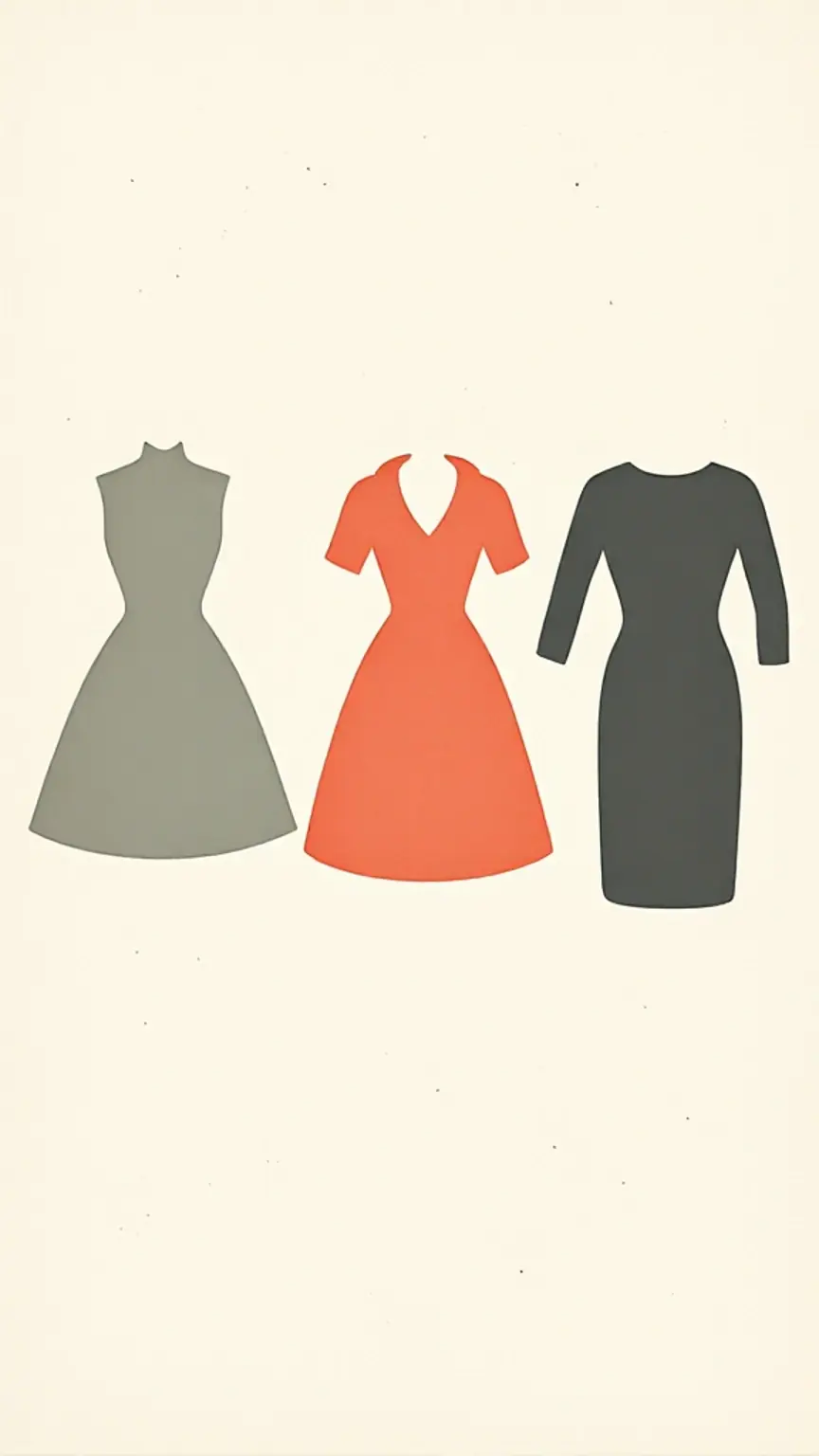
She repeatedly chose specific silhouettes, favoring halter necks that emphasized her strength and wiggle dresses that demanded a controlled gait. Her palette remained one of whites, creams, and blacks. This repetition provided a sense of continuity in a life that was often chaotic.
When you repeat a style, you create a brand. You create a character that you can step into and out of. For Marilyn, “The Girl” was a persona she could put on like a coat. This allowed her to maintain a distance between her public performance and her private heart. The repetition of her aesthetic was a way of saying, “This is the version of me I am allowing you to see.”
Style as Emotional Armor: Being Seen vs. Being Reached
There is a specific kind of power in visibility. But visibility often comes with a loss of privacy. Marilyn navigated this tension through her wardrobe. She wore clothes that were often described as “second skins.” They were tight. they were revealing. They demanded attention.
However, there is a paradox here. A woman who is hyper-visible is often the hardest to truly “reach.” By leaning into a hyper-feminine version of Marilyn Monroe style, she created a barrier. The more the world focused on her curves, the less they focused on her thoughts. Her beauty became a distraction.
This is a form of soft feminism. It is the realization that you can use your visibility to protect your vulnerability. You can stand in the center of the room and still feel like you are in a safe room. Her style was a gatekeeper. It decided who got to look and who got to know her. This distinction is vital for understanding why her image still feels so powerful today.
The Duality: Public Glamour vs. Private Simplicity
To understand the full spectrum of Marilyn Monroe style, we must look at her life away from the cameras. Her “off-duty” looks were a complete departure from the screen siren image. When she wasn’t “being Marilyn,” she chose a radically different kind of armor: simplicity.
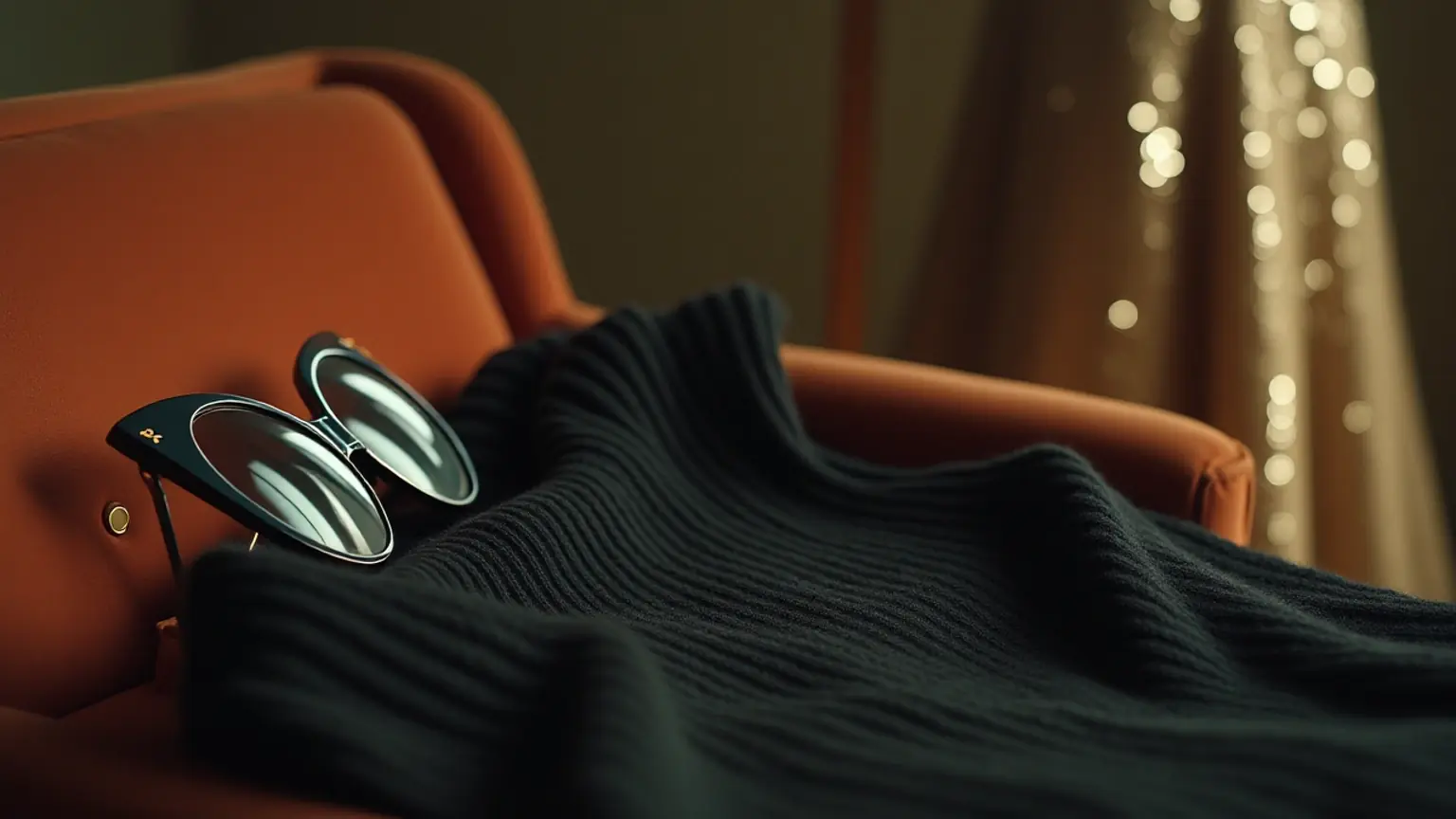
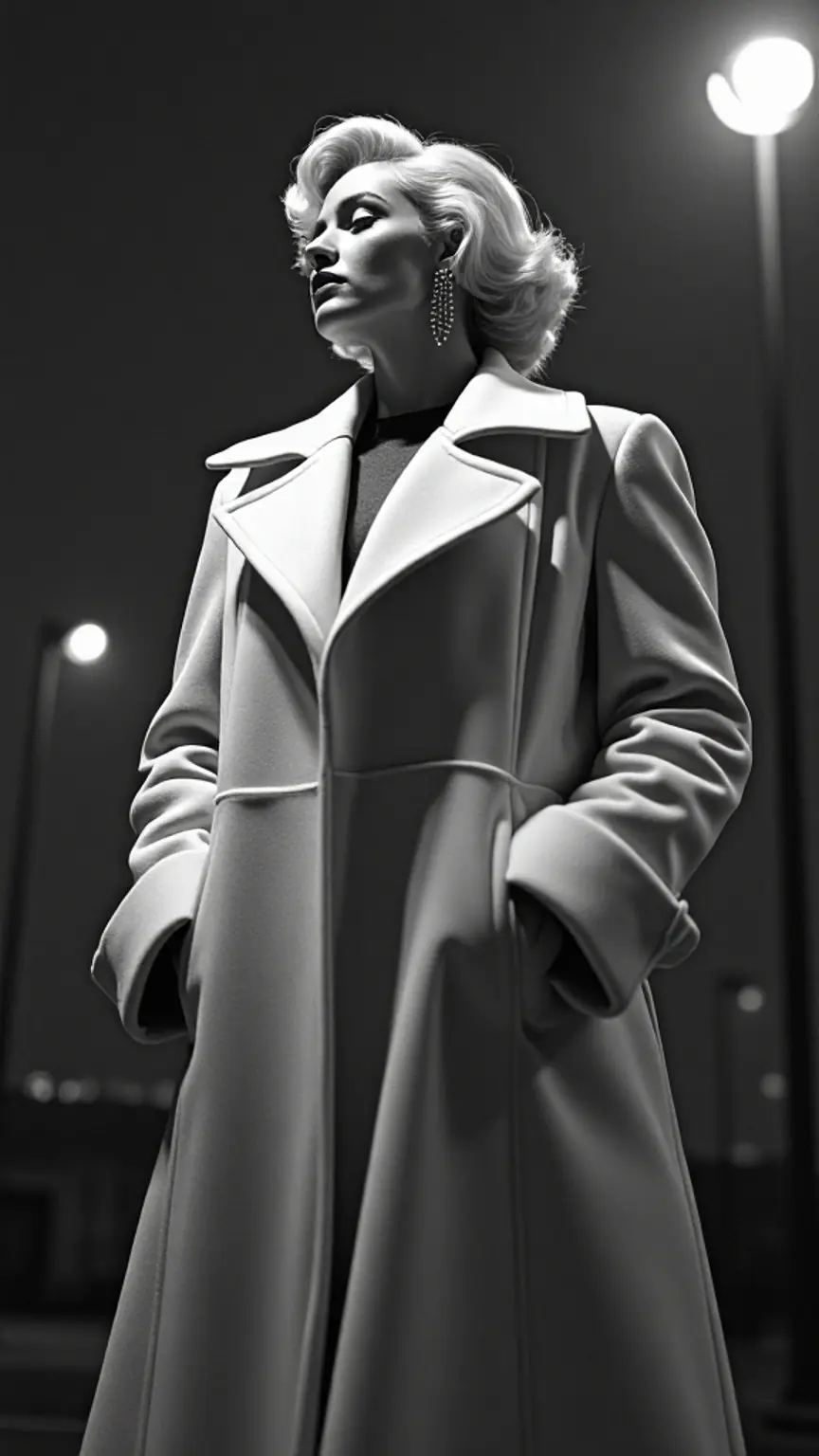
In her private life, she favored black turtlenecks, well-fitted jeans, and simple trench coats. She wore flat shoes and oversized sunglasses. This was her “anonymity armor.” It was a way to blend into the shadows of New York or the quiet streets of Connecticut.
These two styles—the public and the private—served the same purpose. They both provided a sense of safety. The public style protected her through excellence and performance. The private style protected her through invisibility and comfort. By moving between these two worlds, she was able to reclaim pieces of herself that the industry tried to own.
The Architecture of the “Public” Silhouette
Let us analyze the technical elements that made the public Marilyn Monroe style so effective as armor. She understood the geometry of the body. She worked closely with designers like Jean Louis and Orry-Kelly to ensure her clothes did more than just fit. They had to perform.
Her dresses often featured internal structures. They had built-in corsetry and padding. These were not just for the “look.” They provided a physical sense of support. When a woman is wearing a garment that holds her upright, she feels more capable of facing a crowd. The dress becomes a literal support system.
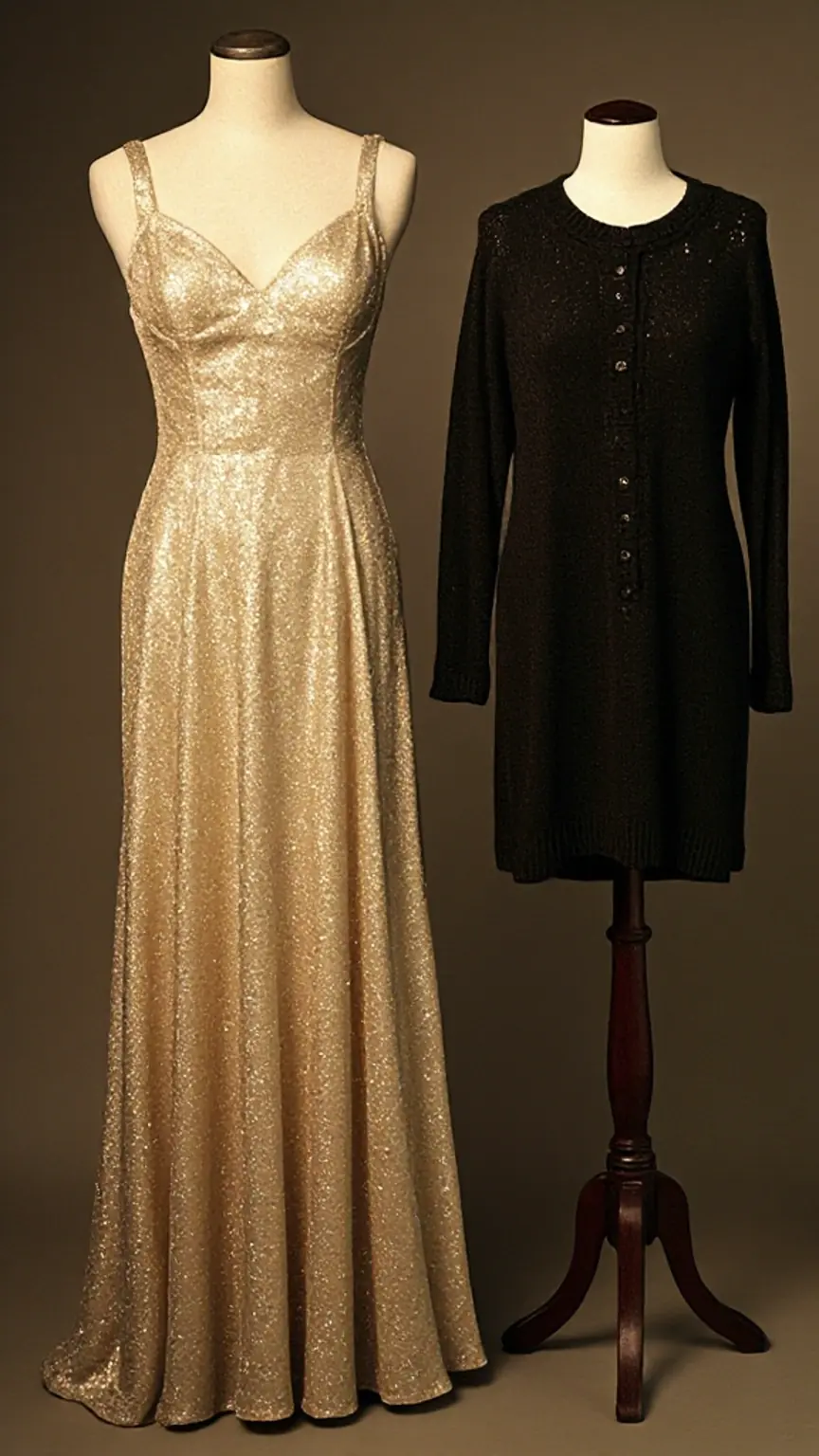
She also understood the power of texture. She loved the “softness” of marabou feathers and the “strength” of sequins. Sequins, in particular, act as a million tiny mirrors. They reflect the world back at itself. When you wear sequins, you are literally reflecting the gaze of others. It is a very active way to be seen.
Reframing Glamour as Personal Agency
In our modern era, we often dismiss glamour as something superficial. We are told that “real” power looks like a suit or a uniform of productivity. But the Marilyn Monroe style teaches us that glamour can be a tool of agency. It is a language of the self.
Choosing how you show up in the world is a profound act of will. For Marilyn, choosing her eyeliner, her hair color, and her necklines was a way of writing her own story. She was the architect of her own legend. She didn’t just inherit her style; she forged it in the fires of her own ambition and her own need for safety.
We can look at glamour as a form of “aesthetic safety.” It is the process of creating a version of yourself that you feel proud to show, the joy of finding a color that makes you feel invincible, and the ritual of getting ready as a way to prepare for the world. This is the true legacy of her style.

What Modern Women Can Learn from Her Armor
Today, we see a rise in “aesthetics” on social media. We see women choosing tribes based on their style—”Clean Girl,” “Mob Wife,” “Coquette.” On the surface, this feels like a trend. But beneath the surface, it is the same human need that shaped Marilyn Monroe style.
Style is how we find our place. It’s how we signal who we are and, more importantly, who we are not. Ultimately, it’s how we feel safe in a world that is constantly judging us. When you choose a specific “look,” you are choosing a set of rules to live by. You are creating a boundary between yourself and the noise of the digital world.
Marilyn reminds us that your style is allowed to be your sanctuary. You are allowed to use clothes to protect your heart; you don’t have to be “accessible” to everyone just because you are visible. Remember, you can be the protagonist of your own life, with your wardrobe as your most loyal companion.
The Meaning of the “Private” Uniform
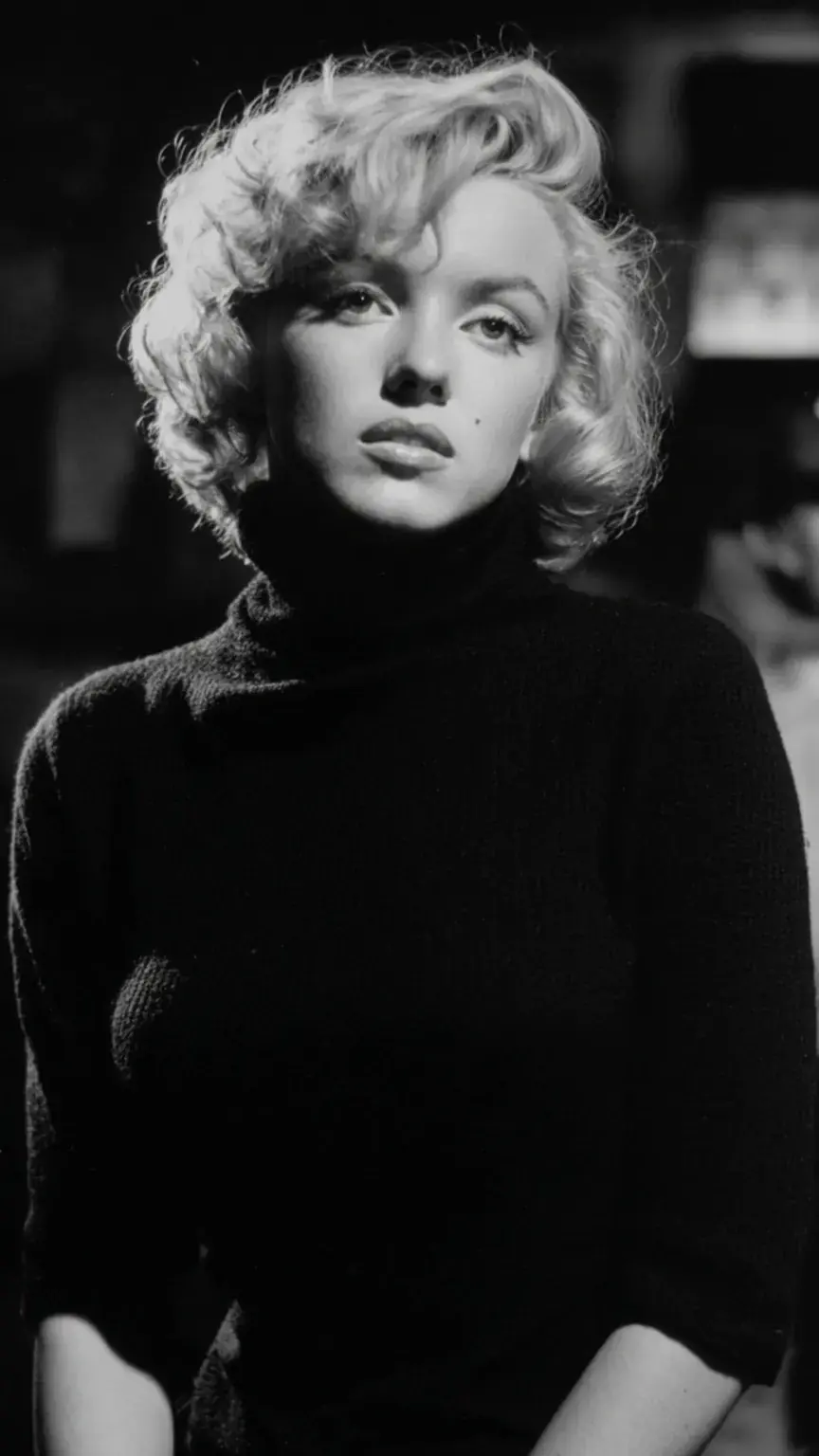
We must not ignore the black turtleneck. In the history of Marilyn Monroe style, the simple black sweater is just as iconic as the gold dress. It represented her intellectual side. It was what she wore when she was studying at the Actors Studio or reading James Joyce.
This simple garment was a different kind of armor. This was the armor of the serious artist, a statement that said, “Stop looking at my body and start looking at my mind.” It served as her shield against the “dumb blonde” stereotype that haunted her career. By stripping away the sequins and the feathers, she forced the world to engage with her on a different level.
This duality is something many women experience. We have a “professional” armor and a “private” armor. We have the version of ourselves we present to the world to get things done, and the version we keep for those we trust. Marilyn mastered this transition. She showed us that you can be many things at once, and your clothes can help you navigate those different identities.
Your Style as a Daily Ritual of Protection
This brings us to a moment of reflection. Consider your own wardrobe. What do you wear for a difficult meeting? What do you choose when you want to feel invisible? These choices are your own version of Marilyn Monroe style.
Style is not about following trends. It is about listening to your own needs. It is about understanding what makes you feel grounded. For some, it might be a bold red lip. For others, it might be an oversized blazer or a favorite pair of boots. These items are your tools. They are your personal armor.
When we approach our closets with intention, we are practicing a form of self-care. We are asking ourselves, “What do I need today? Do I need to be seen, or do I need to be protected? Do I need to be soft, or do I need to be strong?” Marilyn’s life was a masterclass in this kind of intentional living.
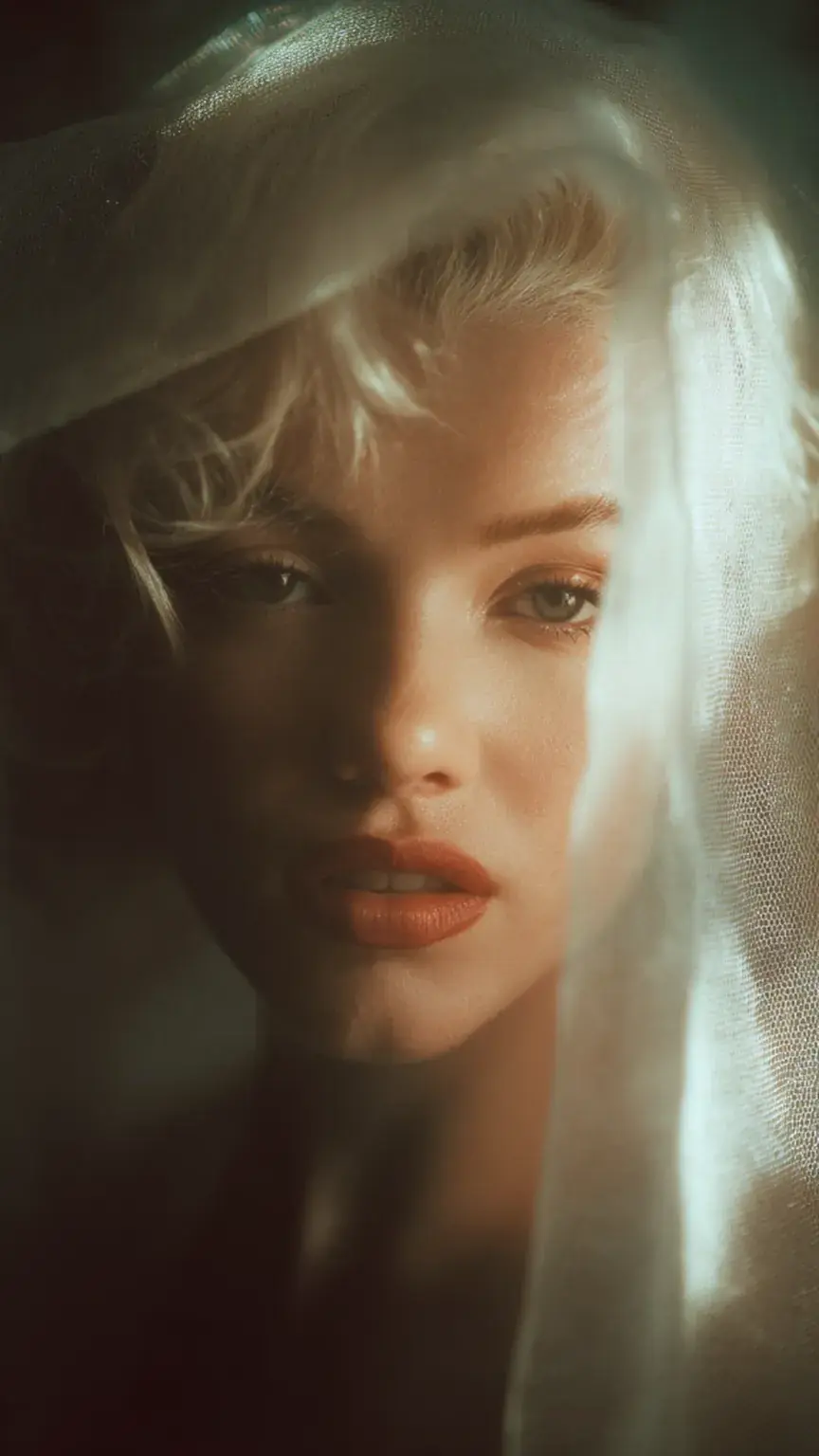
Reflecting on Your Own Style Armor
Every day is a performance of sorts. We all step onto the “stage” of our lives. The Marilyn Monroe style invites us to be the directors of that performance. We don’t have to be victims of our visibility. We can be the masters of it.
In our activity book, we dive into these questions. We don’t care about what is “in fashion”; we care about what makes you feel safe and about the “textures of your confidence.” By exploring your own style armor, you can find a sense of power that no one can take away from you.
What is your “white dress” moment? What is your “black turtleneck” moment? These are the questions that lead to true self-discovery. You are more than a collection of outfits. You are a soul with a story to tell, and your style is the voice you use to tell it.
In the pages of “52 Marilyn Moments,” style becomes a question—not a prescription. It is a space to explore what makes you feel safe, seen, or grounded. Your style is your territory. It is the place where you decide who you are. This is the secret of the icon: the armor was never just about the dress. It was about the woman inside it.