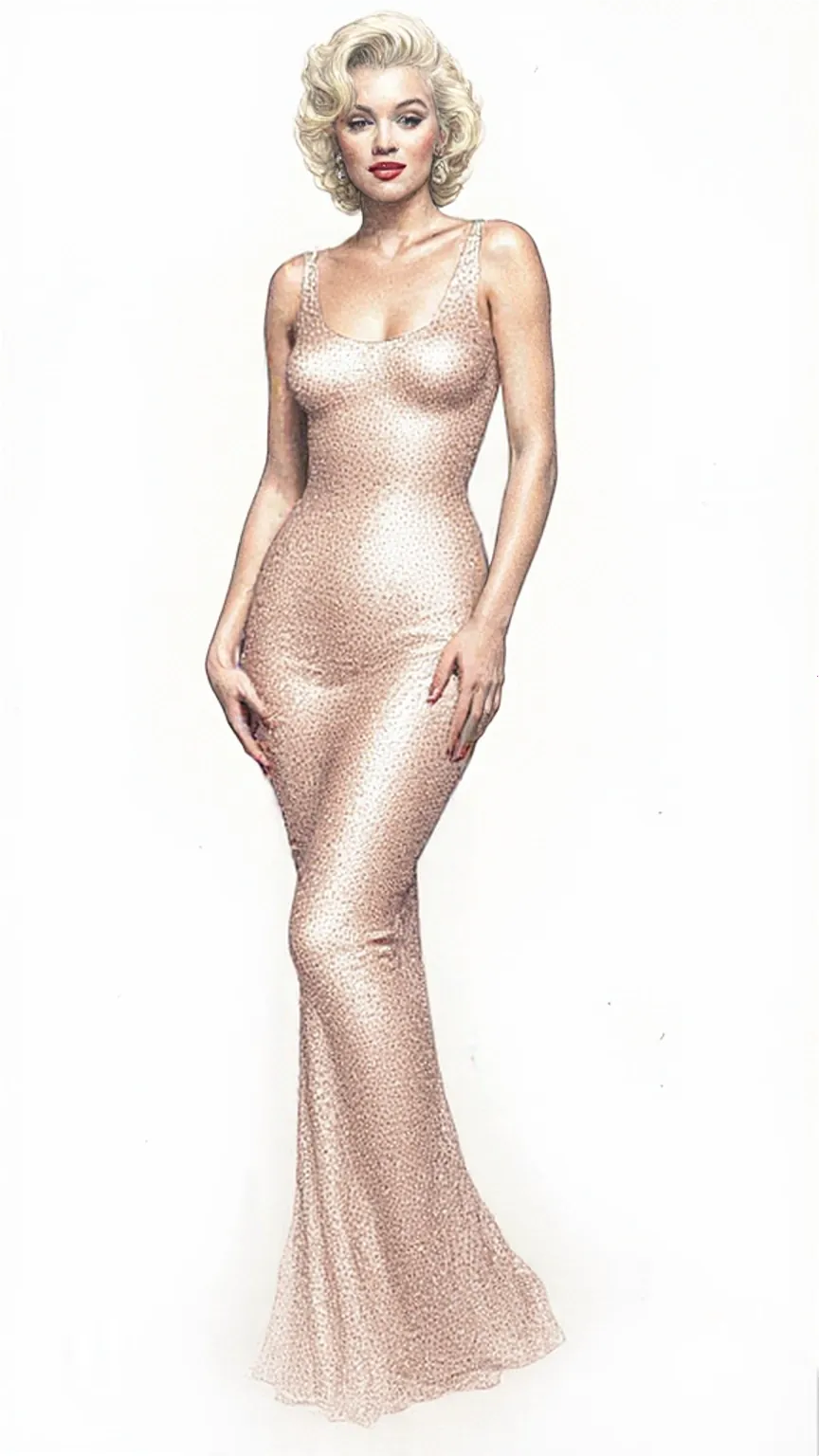
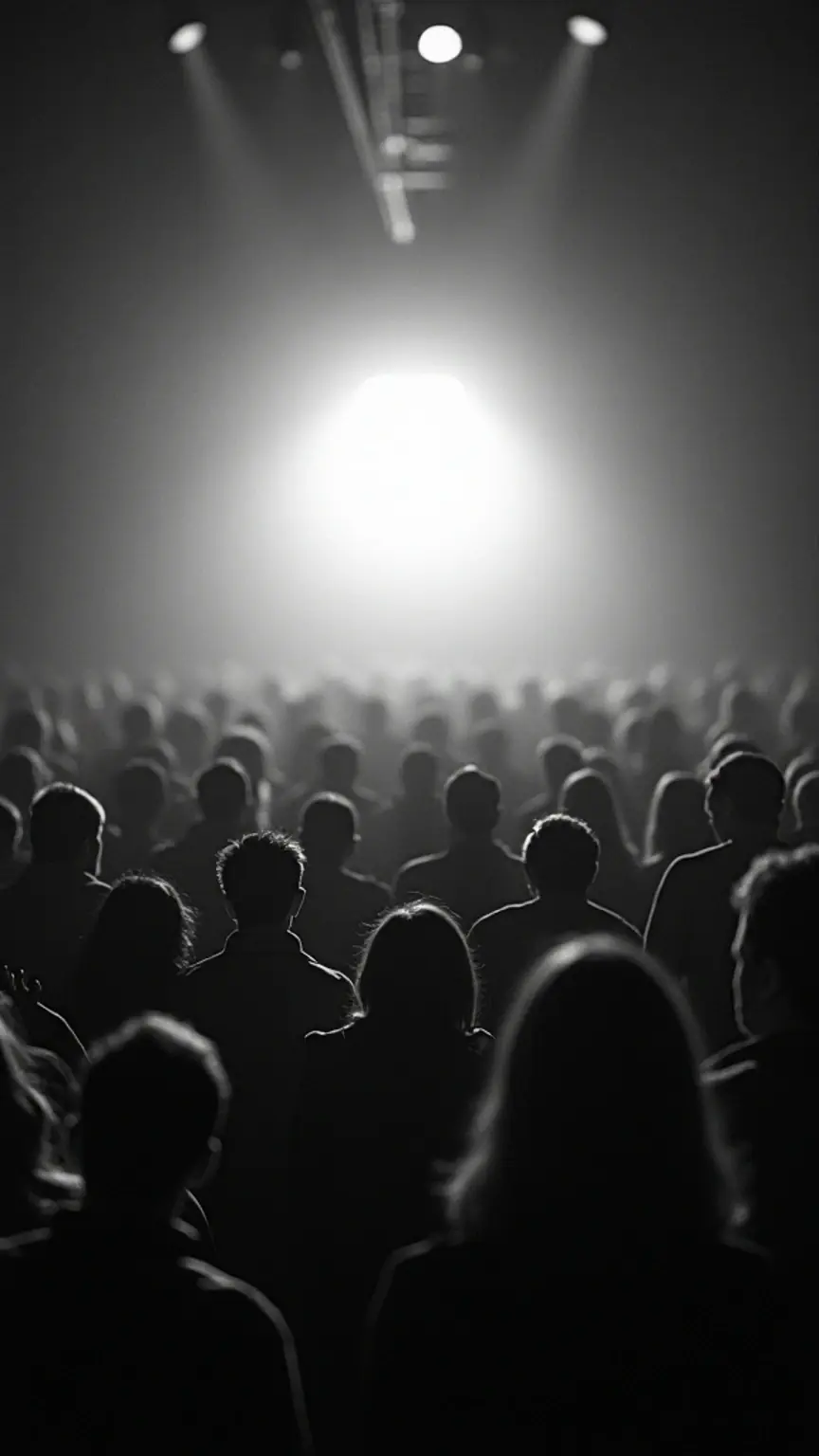
On the night of May 19, 1962, Madison Square Garden was a sea of dark suits and conservative evening wear. Then, a spotlight hit the stage. A woman stepped out, wrapped in a heavy white ermine fur. As she let the fur slide to the floor, a collective gasp rippled through the audience of 15,000 people. Beneath the lights, Marilyn Monroe appeared to be wearing nothing but shimmer.
The Jean Louis gown Marilyn Monroe wore to sing “Happy Birthday” to President John F. Kennedy was more than a piece of couture. it was a weapon. It was a calculated, brilliant, and deeply daring act of self-presentation. Often called the “nude illusion” dress, it remains the ultimate benchmark for celebrity fashion. But to understand why it still resonates, we have to look past the sparkles. We have to look at the woman who chose to be that visible.
The Context: Marilyn in 1962
To understand the audacity of the dress, we must understand the woman in 1962. Marilyn was at a crossroads. Her career was under intense scrutiny, her health was a subject of tabloid speculation, and she was fighting for her place in an industry that was rapidly changing.
By choosing to appear at the President’s 45th birthday celebration, she was reclaiming her status as the world’s ultimate icon. She didn’t want a “pretty” dress; she wanted one that would make history. To achieve this, she commissioned the legendary Hollywood designer Jean Louis with a specific instruction: she wanted something “that only Marilyn Monroe could wear.”
This wasn’t just about beauty. It was about legacy. In a year where she often felt silenced or misunderstood, the Jean Louis gown Marilyn Monroe commissioned was her way of speaking without saying a word. It was her way of reminding the world—and the President—exactly who she was.
The Design: A Second Skin of 2,500 Crystals
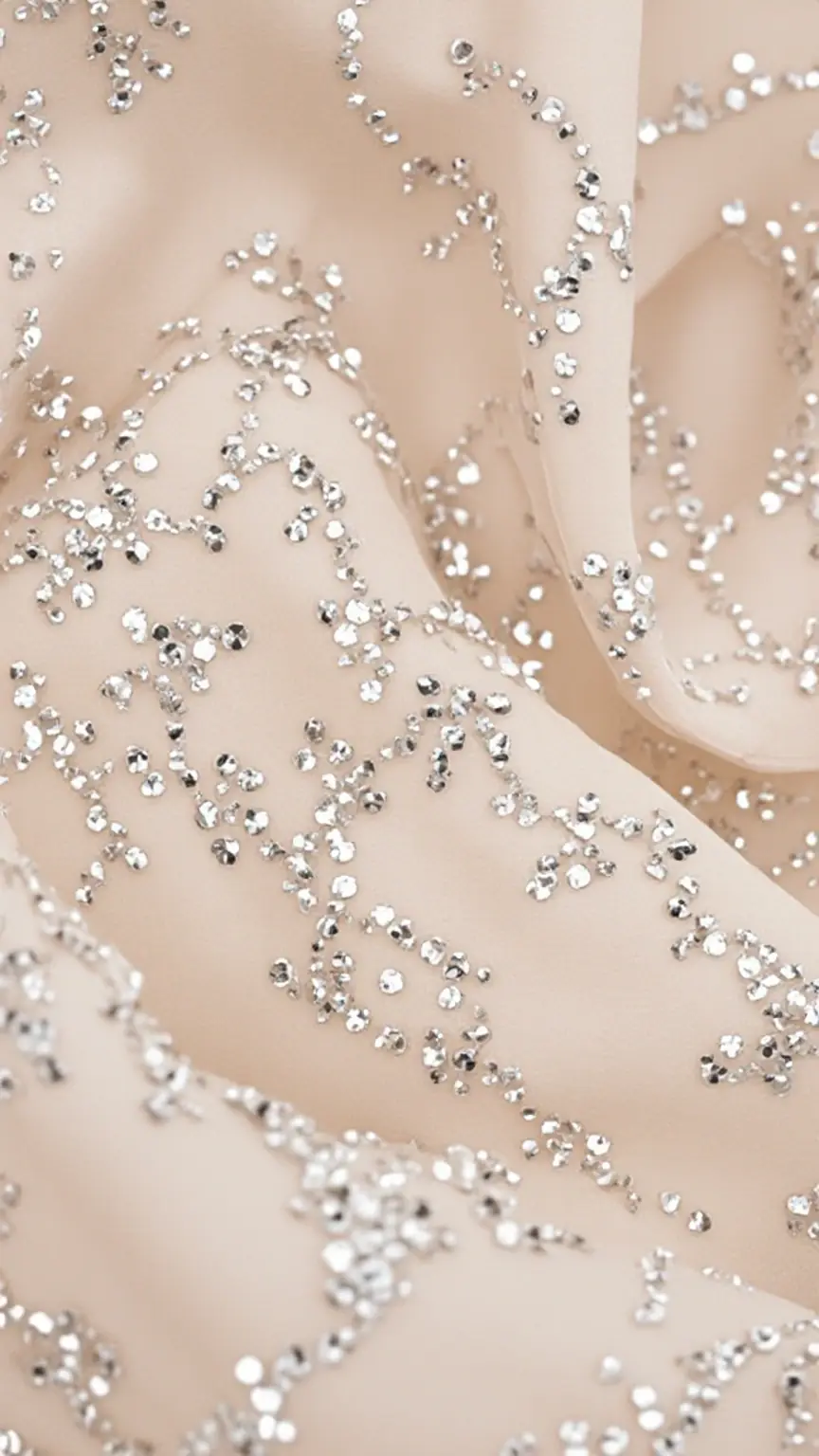
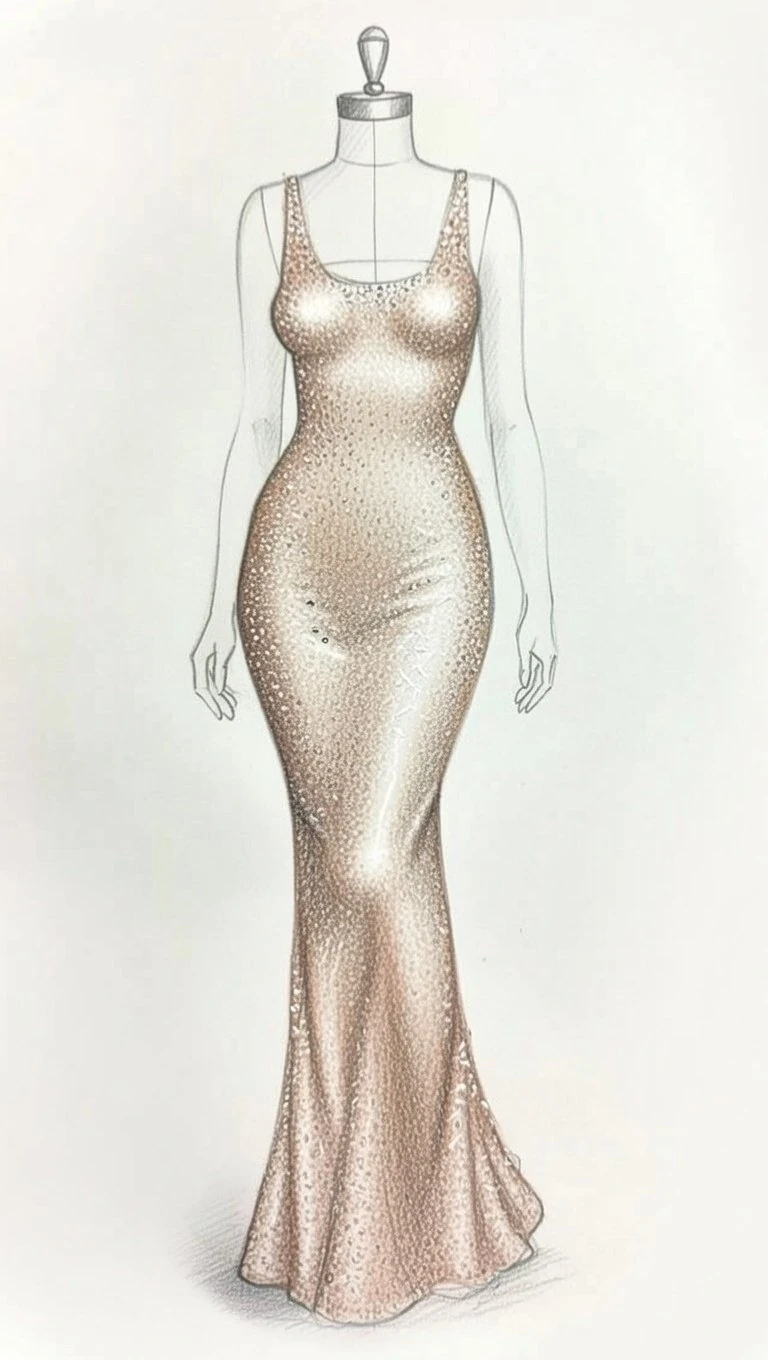
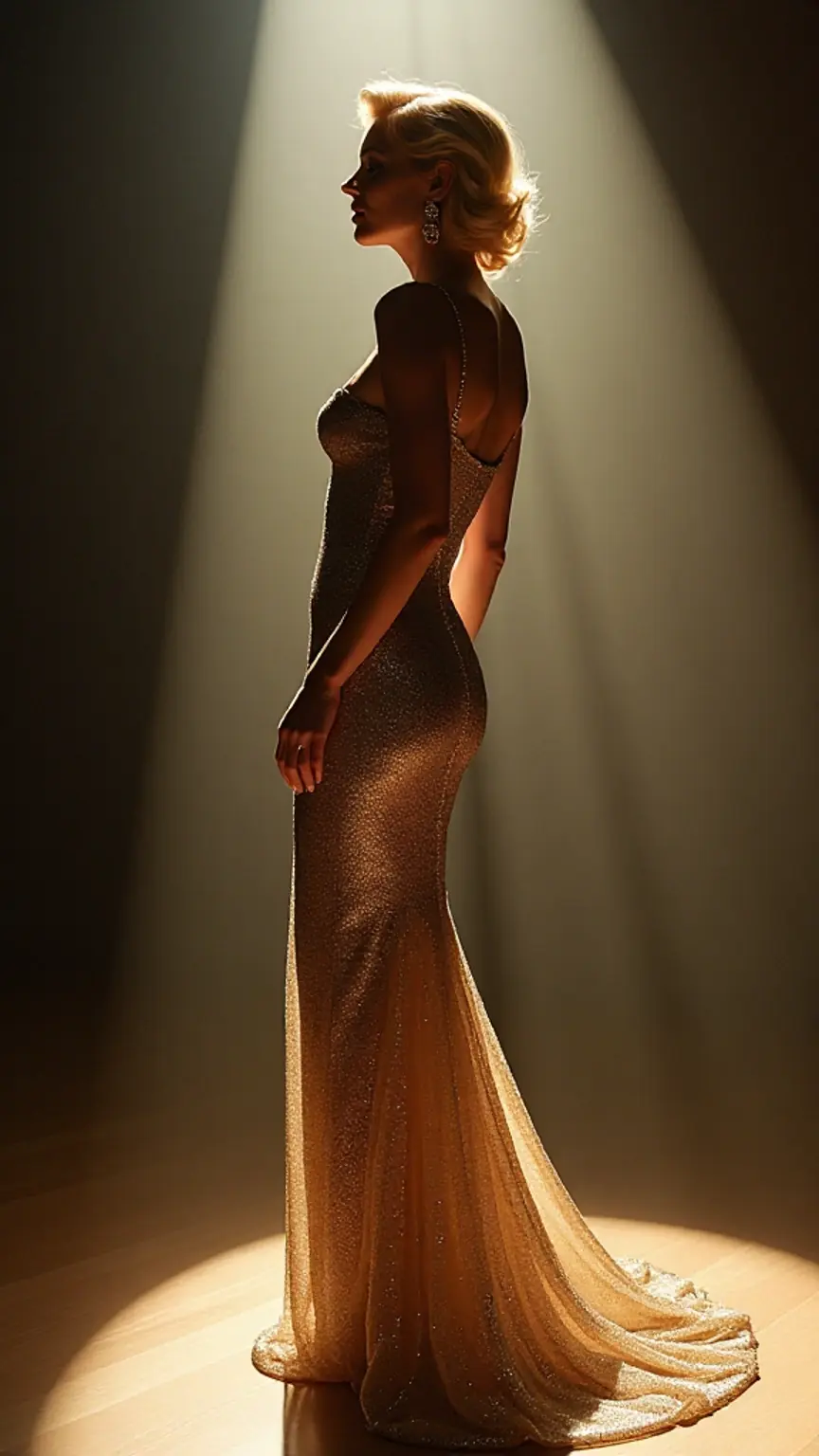
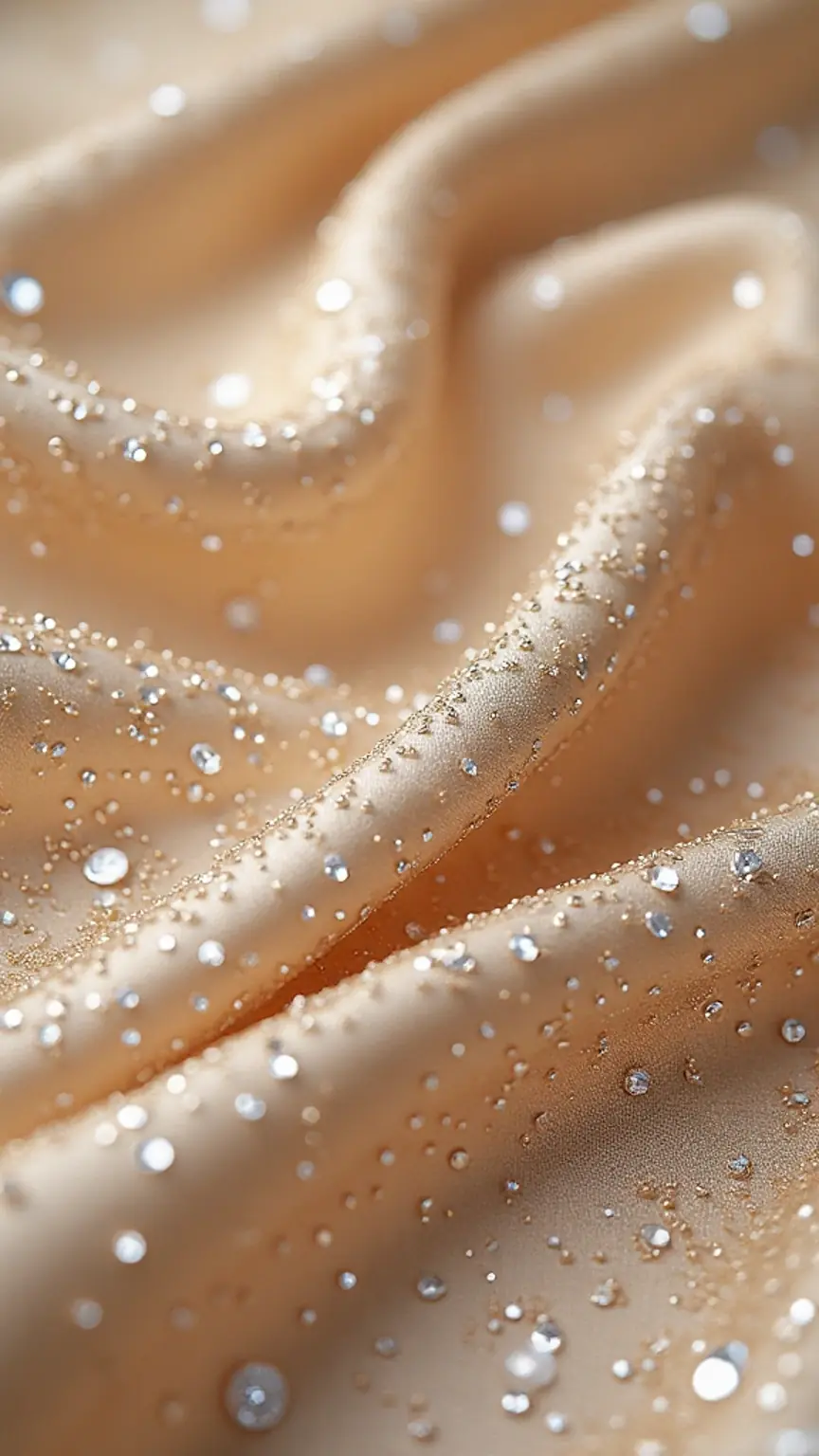
People often overlook the technical mastery of the Jean Louis gown Marilyn Monroe wore, focusing instead on the scandal. Jean Louis used a specific type of fine French soufflé silk, dyed to perfectly match Marilyn’s skin tone. The goal was total transparency—a “nude illusion” that blurred the line between fabric and flesh.
The dress was so tight that Marilyn could not wear anything underneath it. She was literally stitched into the garment. This level of commitment to an aesthetic is what separates a costume from a masterpiece. The designer strategically placed the crystals to catch the light, turning her body into a shimmering beacon. Under the harsh stage lights, the fabric disappeared, leaving only the sparkle of the crystals against her skin.
Why It Shocked the World: Breaking the Social Ceiling
In 1962, the “nude look” was practically non-existent in polite society. Even for a Hollywood star, Marilyn Monroe’s Jean Louis gown marked a radical departure from the “ladylike” fashions of the era. It was an era of stiff taffeta and structured bodices. Marilyn’s dress was fluid, revealing, and unapologetically sexual.
The shock came from the lack of apology. Marilyn didn’t look uncomfortable or exposed; she looked triumphant. By wearing a dress that appeared to be her own skin, she was challenging the boundaries of public decency and feminine decorum. She was asserting her right to be visible on her own terms, in a way that was both soft and incredibly powerful.
This dress paved the way for every “naked dress” that has followed on the red carpet, from Cher to Rihanna. But none have quite captured the same tension between vulnerability and power that Marilyn achieved that night. She wasn’t just showing her body; she was showing her sovereignty.

Performance or Control: The Architect of the Moment
Critics often debated whether Marilyn was being “exploited” in this moment. But those who knew her, and those who study the history of Jean Louis gown Marilyn Monroe archives, see a different story. Marilyn was the architect of this moment.
She chose the designer, approved the sketches, and insisted on the “nude” color—even planning the famous delay in her entrance that led to her being introduced as “the late Marilyn Monroe.” She directed every element of that night’s performance.
This is the essence of soft power. She used the world’s gaze as a tool. By providing the public with the most “visible” version of herself they had ever seen, she ironically maintained a sense of total control. She gave them the shimmer, but she kept the woman. The dress was her armor, even though it looked like air.
The Aftermath: From Performance to Myth
The performance lasted only a few minutes, but the image of the Jean Louis gown Marilyn Monroe wore was instantly etched into history. It was the last major public appearance of her life, coming just months before her passing. This timing has cast a melancholic shadow over the dress, turning it into a sort of “swan song” of glamour.
The dress itself became a relic. In 1999, it sold at auction for $1.26 million, and later, in 2016, it sold for a staggering $4.8 million. It became a piece of art, valued not for its fabric but for the moment it captured. It represents the peak of celebrity culture—the moment where a human being becomes a myth.
When we look at the dress today, we aren’t just looking at fashion history. We are looking at the price of being a legend. We are looking at the weight of a spotlight that never turns off.
Modern Reinterpretations: The Legacy of the Look
In recent years, the Jean Louis gown Marilyn Monroe made famous has returned to the headlines, most notably when Kim Kardashian wore the original to the Met Gala in 2022. This sparked a global conversation about the preservation of history and the ethics of celebrity “tributes.”
The heated debate proved one thing: the dress still holds power. It still has the ability to start a conversation about body image, celebrity, and “the gaze.” However, what many modern reinterpretations miss is the why behind Marilyn’s choice.
Marilyn didn’t wear the dress to fit in or to follow a trend. She wore it to stand apart. She wore it as a final, shimmering “I am here.” The legacy of the dress isn’t just about being “nude”; it’s about the courage to be fully, undeniably seen.
Visibility as a Choice: Lessons for the Modern Woman
What can the Jean Louis gown Marilyn Monroe teach us today? We live in an age of hyper-visibility. We are constantly “on” through our screens. But there is a difference between being exposed and being visible.
Marilyn’s dress was a choice. The decisions were hers: when to drop the fur, how much to reveal. In this way, she used her visibility as a form of agency. In our own lives, we can learn to treat our own “visibility” with the same intentionality. We don’t have to show everything to everyone. We can choose the “crystals” we share with the world, and we can choose the moments where we step into the light.
Visibility is a form of power, but only if you are the one holding the switch. Marilyn’s most daring moment was not just about the dress—it was about her willingness to own the room, the gaze, and the moment, regardless of the cost.
Soft Power and the Shimmer of Autonomy
The Jean Louis gown Marilyn Monroe wore reminds us that glamour is not superficial. It is a language. It is a way to negotiate space and attention. When a woman feels confident in her own skin—or a dress that looks like it—she becomes a force of nature.
That night at Madison Square Garden, Marilyn wasn’t just a movie star. She was a woman standing in her truth, using every tool at her disposal to say she belonged. She wasn’t just singing to a President; she was singing to a world that was always trying to put her in a box. The dress was her way of breaking the box open.
Reflection: When Have You Chosen to Be Seen?
This brings us to a moment of introspection. We all have moments where we are asked to “step out” from behind the ermine fur. Maybe it’s a presentation at work, a difficult conversation, or a creative project we are finally sharing.
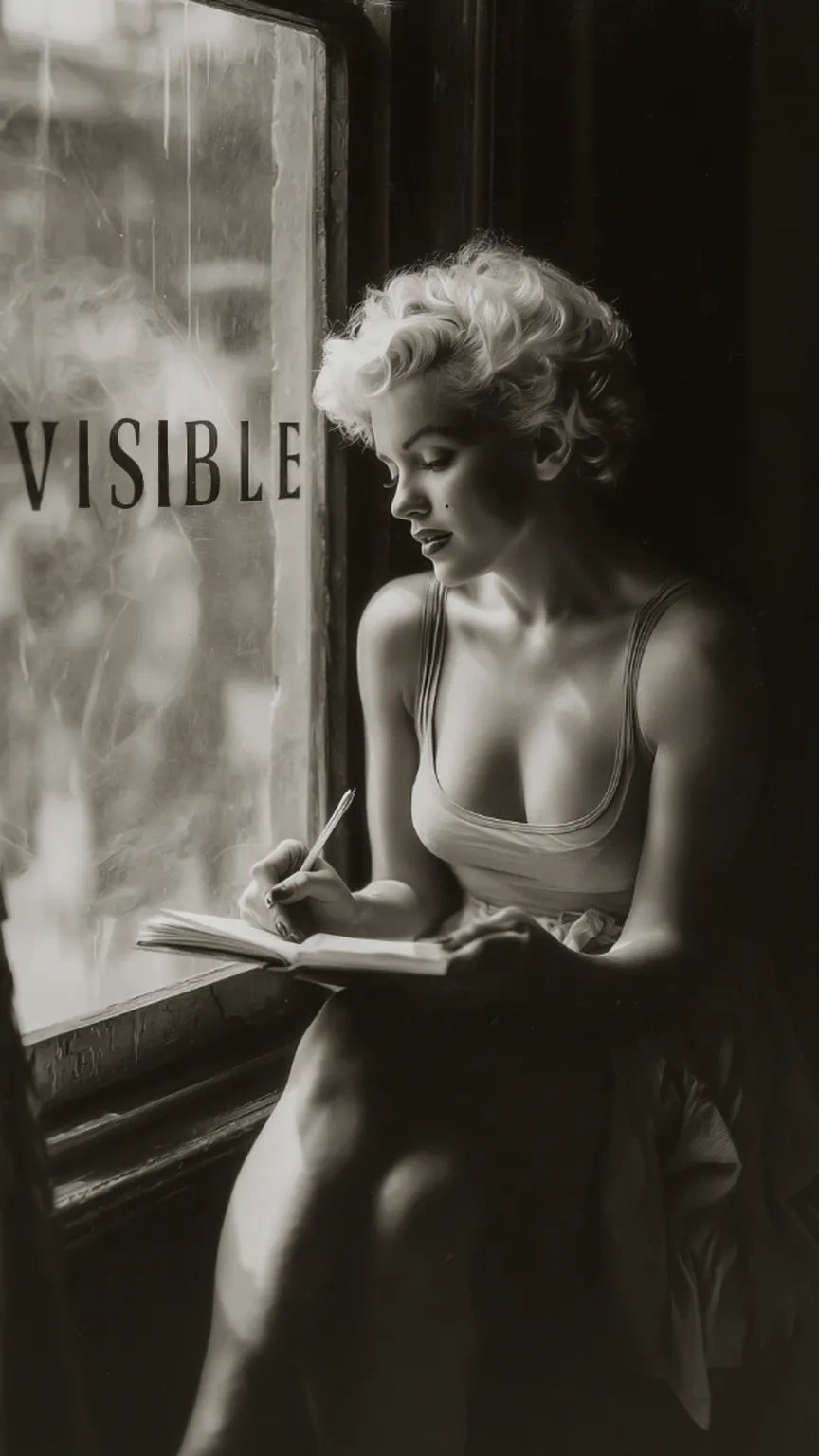
In those moments, do you feel like you are being exposed, or do you feel visible? There is a profound difference. To be exposed is to feel vulnerable without power. To be visible is to stand in your own light, knowing your value.
In our activity book, “52 Marilyn Moments,” we explore the concept of “The Reveal.” We invite you to think about the “dresses” you wear in your life—the personas and the boundaries you set. When do you feel most like yourself? When do you feel most powerful?
The Jean Louis gown Marilyn Monroe gave the world is a reminder that you are allowed to be seen. You are allowed to sparkle so brightly that the world has to stop and look. If you’re looking for more inspiration on how she used fashion to claim her power, explore the Marilyn Monroe outfits that defined her iconic style and discover the stories behind her most legendary looks.
In the pages of “52 Marilyn Moments,” visibility is a question, not a requirement. It is a space where you decide what is revealed and what is kept sacred. You are the architect of your own light. Whether you choose to shimmer in a thousand crystals or hide in a black turtleneck, let the choice be yours.