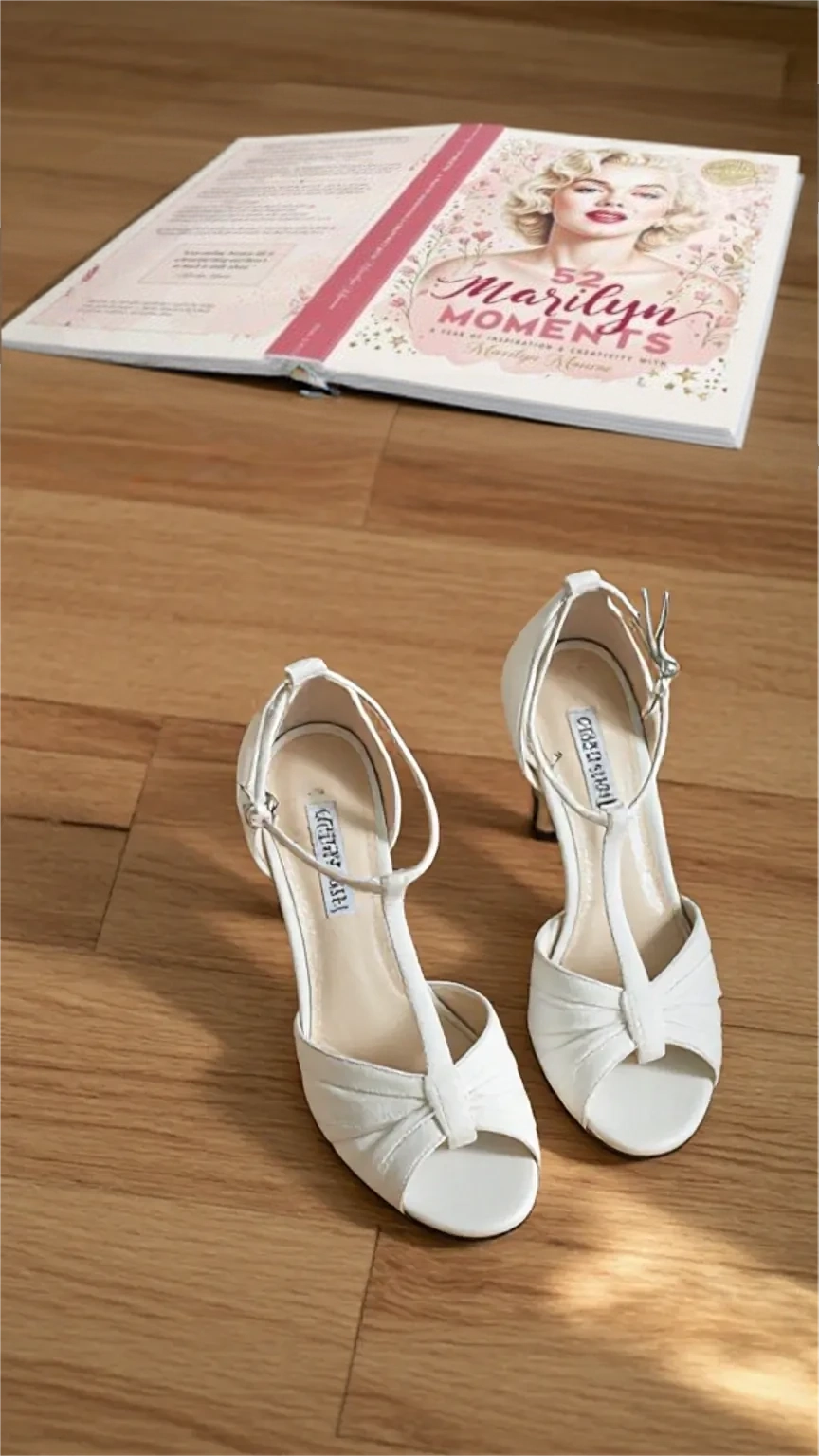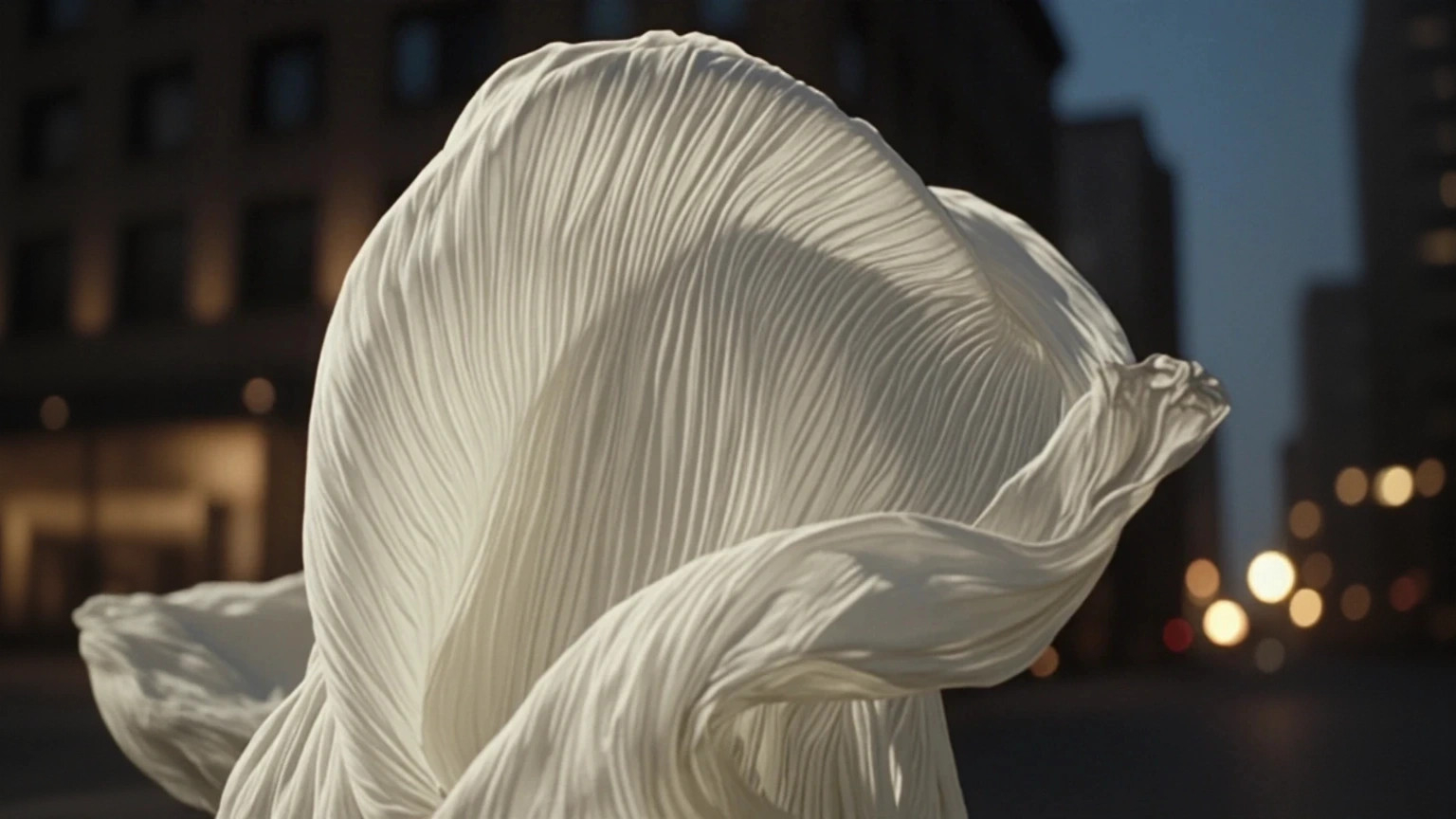
Imagine a warm night in New York City, 1954. The air is thick with the scent of roasted nuts. A crowd of five thousand people stands behind police barriers. They are all waiting for her. At the center of this chaos stands a woman in a cocktail dress. This is not just any garment. This is the Marilyn Monroe white dress. When the subway train passes below the grate, the air rushes up. The skirt billows like a cloud. A legend is born in a flash of white light.
Why did this specific moment stay with us for decades? Most people see a simple pin-up image. They see a playful accident on a street corner. But if we look closer, we see something much deeper. We see a woman navigating the intersection of public expectation and personal agency. The Marilyn Monroe white dress is a mirror. It reflects our own ideas about beauty, control, and the courage it takes to be truly visible in a crowded world.
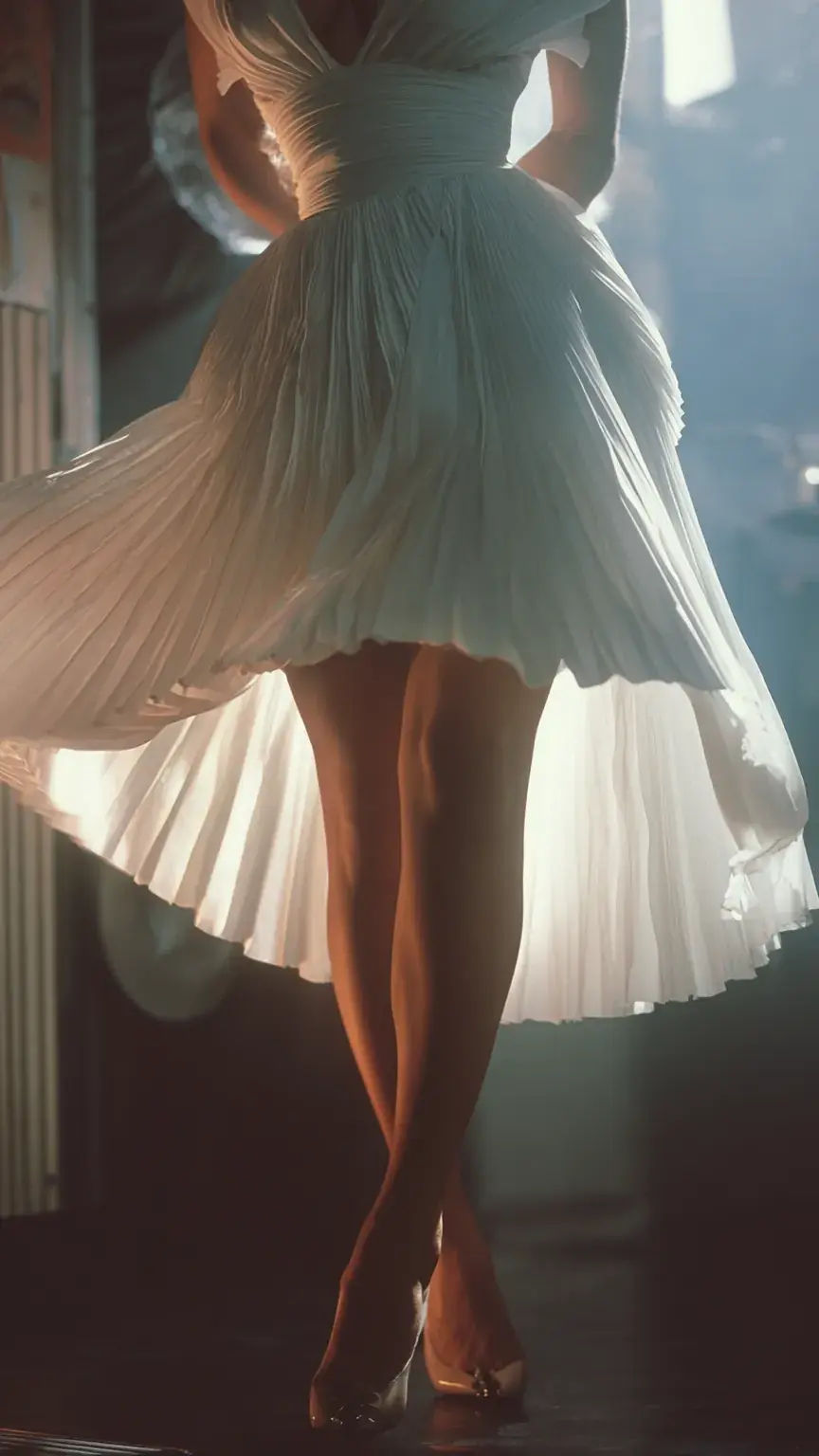
The Context Behind the Marilyn Monroe White Dress
To understand the power of this image, we must look at the film The Seven Year Itch. Director Billy Wilder wanted a moment of pure, breezy flirtation. Hollywood in the 1950s was a place of high artifice. Studios carefully controlled every movement of their stars. Femininity was a product. It was something to be packaged and sold to a post-war audience. The industry demanded perfection, but Marilyn offered something more human.
Designer William Travilla created the dress. He chose an ivory rayon-acetate crepe, a fabric selected for its ability to catch the wind effortlessly. He wanted something that looked like a flower in bloom. However, the filming was an ordeal. The scene on Lexington Avenue required fourteen takes. Each time the wind blew, the crowd cheered. Each time, Marilyn had to manage her dress, her balance, and her expression.
The Marilyn Monroe white dress was a tool of the industry. Yet, in Marilyn’s hands, it became something more. She was not just a passive object in a costume. She was an artist using her body and her clothing to tell a story about freedom. Even in a controlled environment, she found a way to breathe life into the fabric. She turned a commercial moment into a personal manifesto.
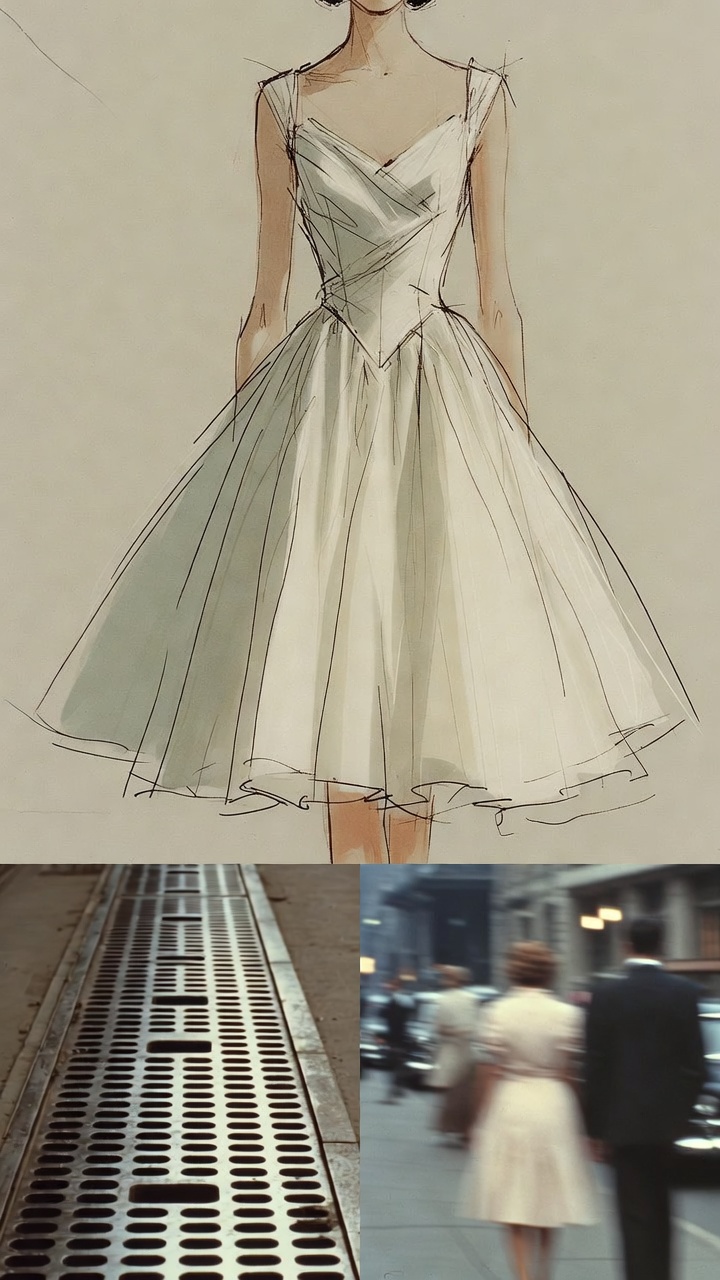
The Technical Brilliance of William Travilla
We must appreciate the engineering behind the Marilyn Monroe white dress. Travilla did not just sew a dress; he built a sculpture. The bodice features a halter neck that leaves the back exposed. This design emphasizes the strength of the shoulders. The pleated skirt uses a sunray pattern. This allows the fabric to expand dramatically when the air hits it.
The choice of ivory over pure white was intentional. Pure white can look flat under harsh movie lights. Ivory, however, has a warmth. it reflects the light in a way that suggests a glow from within. This technical choice is a key part of the Marilyn Monroe white dress aesthetic. It creates a sense of luminescence.
Travilla later called the dress “that silly little dress.” But he knew its power. He understood that the right fabric could amplify a woman’s presence. The dress was designed to move even when she was standing still. It was designed to react to the environment. This creates a dialogue between the woman, her clothes, and the world around her.
The White Dress as a Visual Disruption
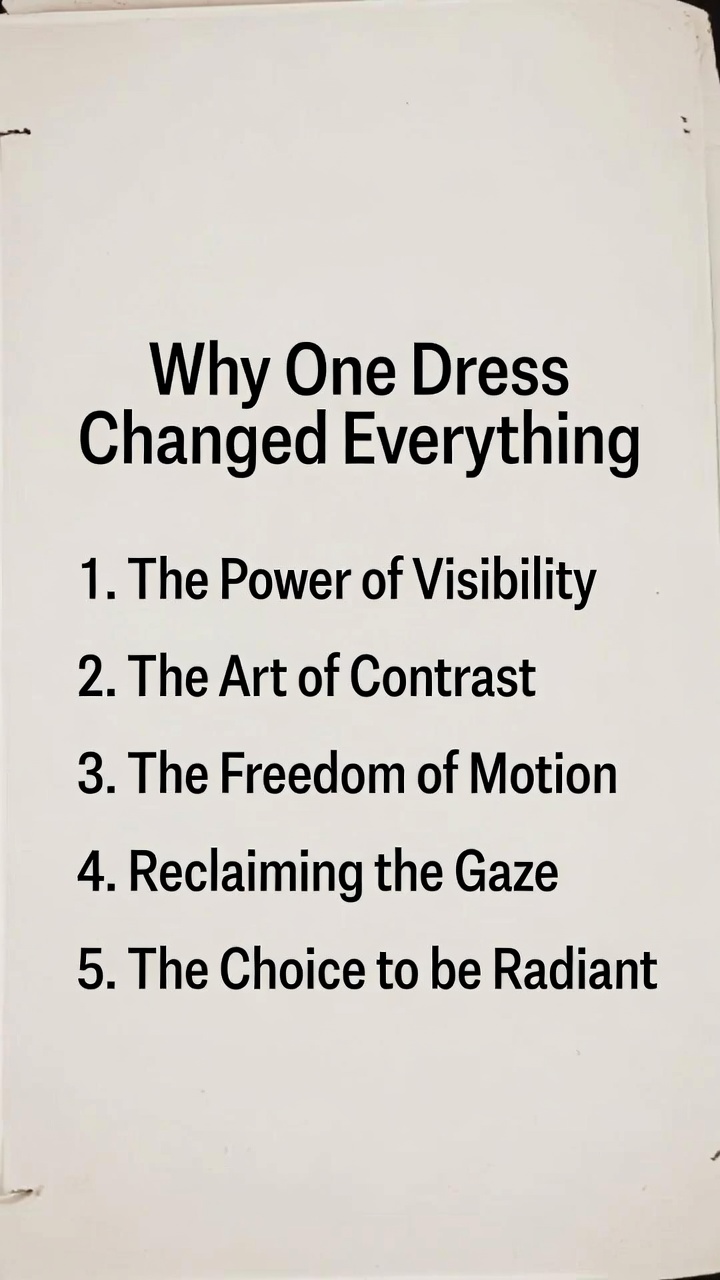
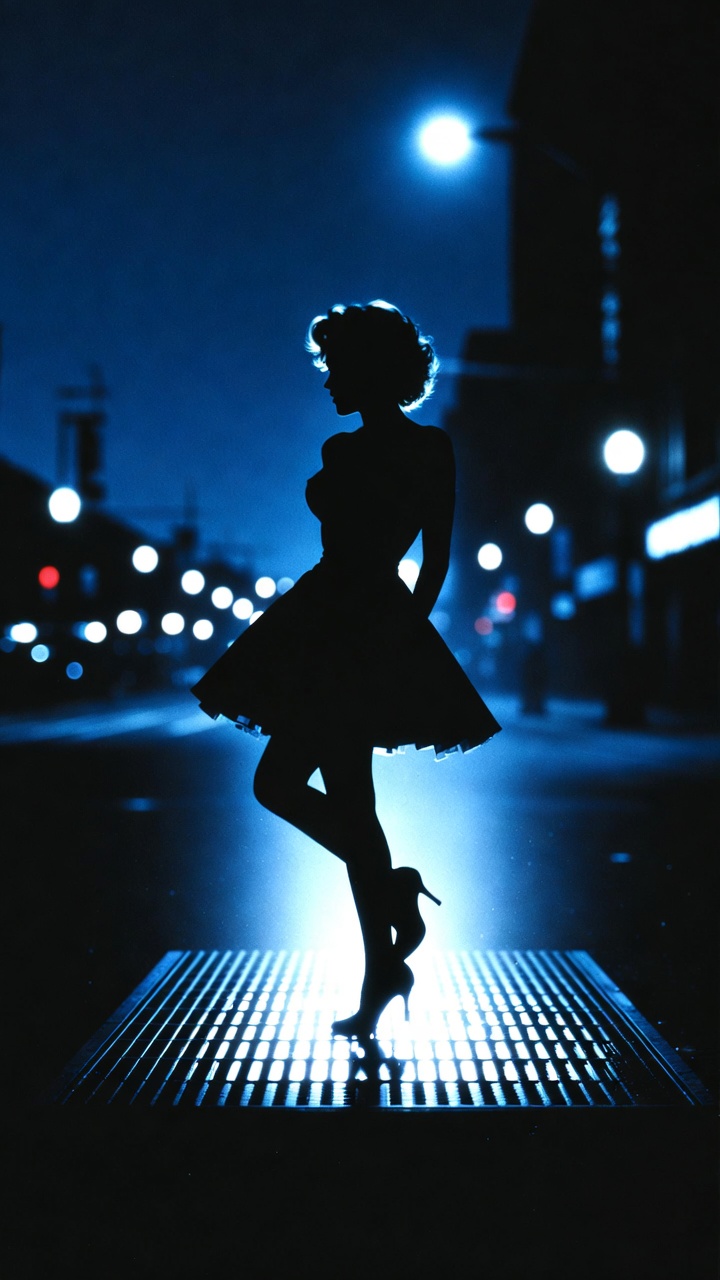
The color white carries heavy symbolism. It suggests innocence and purity across many cultures. It is the color of a blank canvas or a fresh start. By choosing white, the production created a sharp contrast with the dark streets of New York. The Marilyn Monroe white dress acted as a flare in the night. It forced everyone to look at her.
This disruption was not just visual; it was emotional. The movement of the air created a sense of spontaneity. In a decade of stiff corsets and rigid social rules, this dress represented a “letting go.” It was a moment of soft rebellion against the gravity of the era. The dress didn’t just show her legs; it showed her joy. This joy is what makes the Marilyn Monroe white dress so infectious.
We often think of visibility as a burden. We worry about being judged or misunderstood. But in this scene, Marilyn embraces the light. She stands her ground on that subway grate, refusing to run from the wind. Instead, she leans into it. This is a powerful lesson for anyone who has ever felt the need to hide their true self.
Visibility vs Control: The Paradox of the Gaze
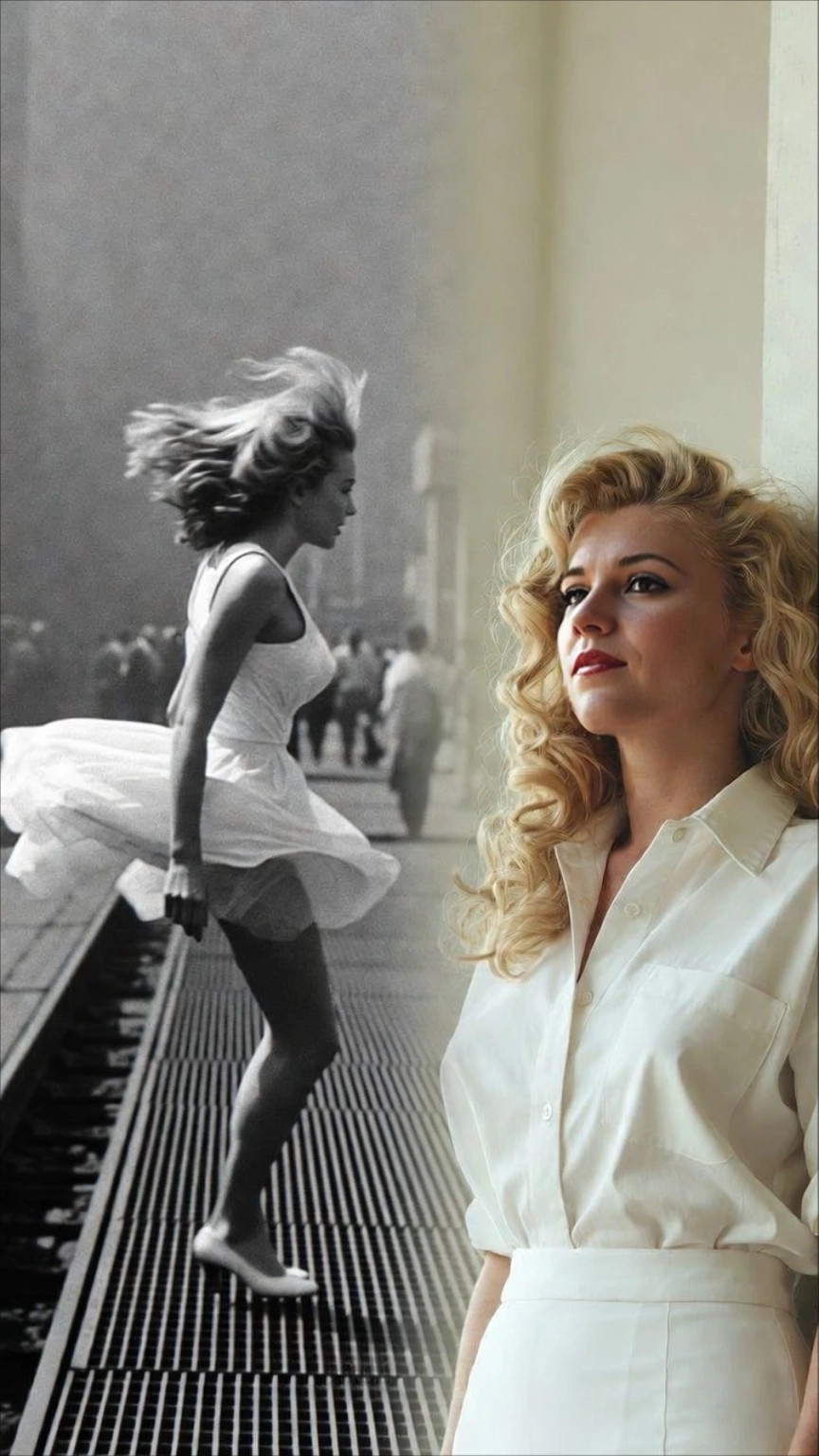
Being seen is not the same as being possessed. This is the core of the Marilyn Monroe white dress mystery. Throughout the filming, Marilyn was surrounded by thousands of men. She was surrounded by cameras and hungry critics. Her husband at the time, Joe DiMaggio, was reportedly furious. He saw the scene as an exhibition of “his” wife.
However, when we watch the footage today, we see a woman at the center of her own universe. Marilyn is the one who controls the rhythm of the moment. The Marilyn Monroe white dress is her tool to claim space. Visible yet untouchable, she becomes the eye of the storm, transforming the “male gaze” into a stage for her own performance.
This is where we find a quiet, implicit feminism. Feminine power doesn’t always look like a loud protest. Sometimes, it looks like a woman standing on a subway grate, laughing at the world. It looks like choosing to be radiant even when the world is trying to box you in. The Marilyn Monroe white dress teaches us that our image belongs to us. Even when a thousand eyes are watching, the soul remains sovereign.
The Scandal of Lexington Avenue
The filming of the scene was a media circus. It was 1:00 AM, but New York was wide awake. The studio had leaked the location to ensure a large crowd. They wanted the publicity. What they got was a cultural earthquake. The noise of the spectators was so loud that the audio was unusable. The scene had to be re-shot later on a soundstage in California.
The public reaction was immediate and polarized. Photos of the Marilyn Monroe white dress appeared in newspapers across the globe. For many, it was the height of glamour. For others, it was a scandal that threatened the moral fabric of society. This tension is part of what makes the image iconic. It captured the exact moment when the 1950s began to transition into something more daring.
The scandal also had a personal cost. The tension on set that night contributed to the end of Marilyn’s marriage. This reminds us that icons often pay a price for their visibility. The Marilyn Monroe white dress became a symbol of her professional success and her personal struggle. It shows us that beauty and pain often walk hand in hand.
Reclaiming the Moment as Feminine Power
What can this scene signify for a woman today? We live in a world of constant digital visibility. We are always “on camera” through our phones and social media. The Marilyn Monroe white dress offers a different perspective on being seen. It suggests that visibility can be a choice rather than a performance for others.
Reclaiming this moment means understanding that you can be soft and iconic simultaneously. You can play with the codes of femininity without losing your power. The Marilyn Monroe white dress is a reminder that we can use our “packaging” to express our internal freedom. We can wear the white dress and still be the masters of our own narrative.
Think about your own life. When do you feel most visible? Is it a moment of fear or a moment of power? Perhaps we can learn to stand on our own “subway grates.” We can let the wind blow and realize that we are still standing. We can find strength in the very things that make us appear vulnerable to the outside world.
The Afterlife of a Garment
The history of the dress did not end in 1954. For years, William Travilla kept the Marilyn Monroe white dress in his private collection. After his death, it eventually went to auction. In 2011, it sold for over 4.6 million dollars. This price reflects more than just the value of fabric and thread. It reflects the weight of the myth.
The dress has been imitated thousands of times. It has been worn as a costume, a parody, and a tribute. But the original Marilyn Monroe white dress remains unique. It carries the energy of that specific night in New York. It carries the breath of a woman who was trying to find her place in the sun.
When we see a replica today, we aren’t just seeing a fashion choice. We are seeing a cultural shorthand for “Marilyn.” We are seeing the ghost of a moment where a woman became a monument. The dress has outlived the film, the director, and even the actress herself. It has become a permanent part of our collective visual vocabulary.
What This Iconic Dress Still Teaches Us
The body is often a site of conflict for women. We are told to hide it, then told to show it. The Marilyn Monroe white dress bypasses this conflict. It celebrates the body in motion and in light, teaching us that our physical presence is a gift, not a problem to be solved by others.
Agency is the ability to act with intention. Marilyn acted with her image. She knew the power of a silhouette. She knew the power of a color. By studying the Marilyn Monroe white dress, we learn the art of intentionality. We learn that how we present ourselves can be a profound form of communication.
Choice is the final and most important lesson. Marilyn chose that moment. She chose to work with Wilder. She chose to endure the cold night and the difficult takes. Every time we choose how to show up in the world, we are practicing our own version of this iconic moment. We are choosing our own light.
Your Own White Dress Moment
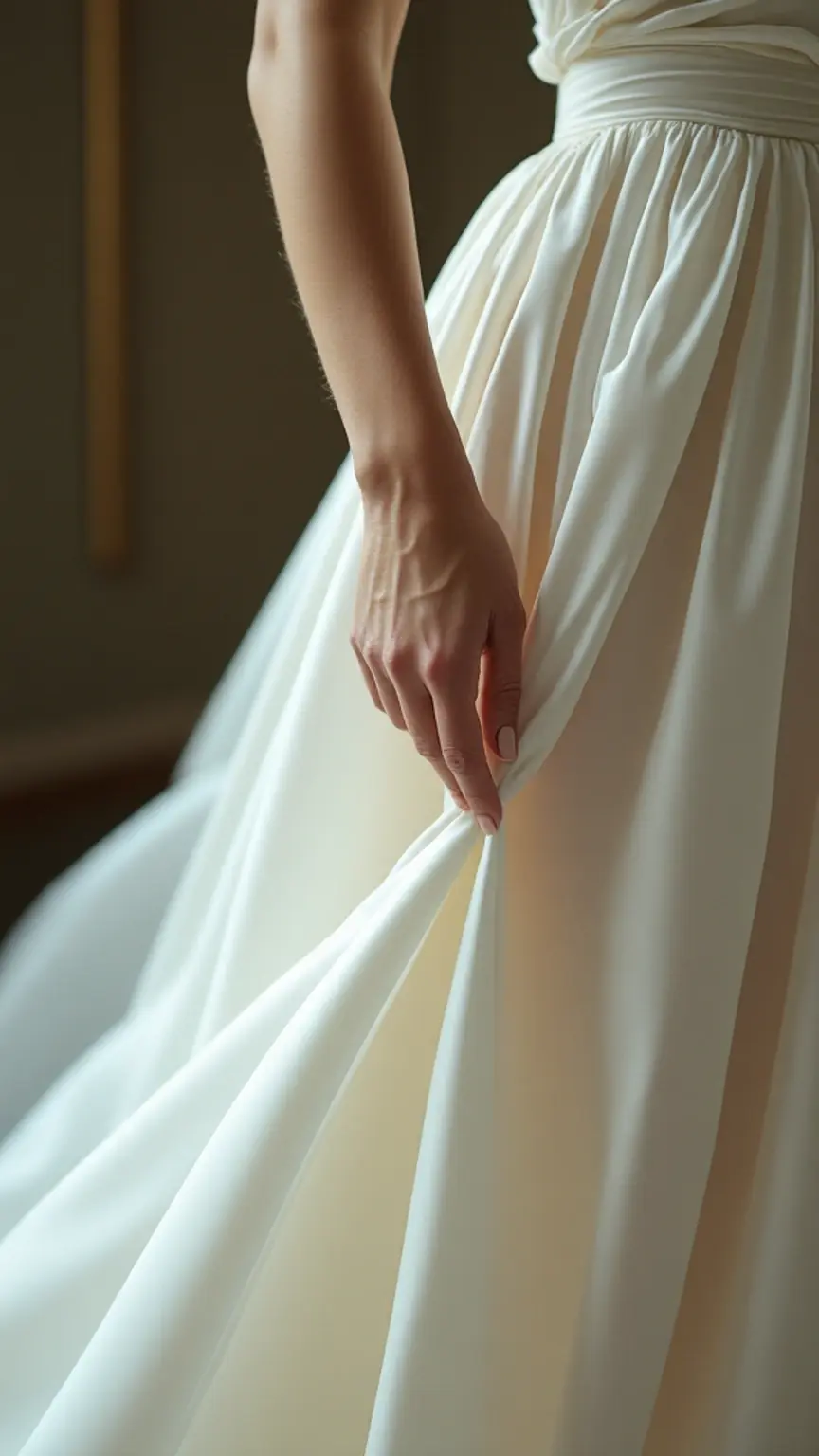
This brings us to a personal reflection. We all have a “white dress” in our lives. This could be a specific outfit that makes us feel brave, a project requiring us to step into the spotlight, or a conversation where we finally speak our truth. These are our moments of visibility.
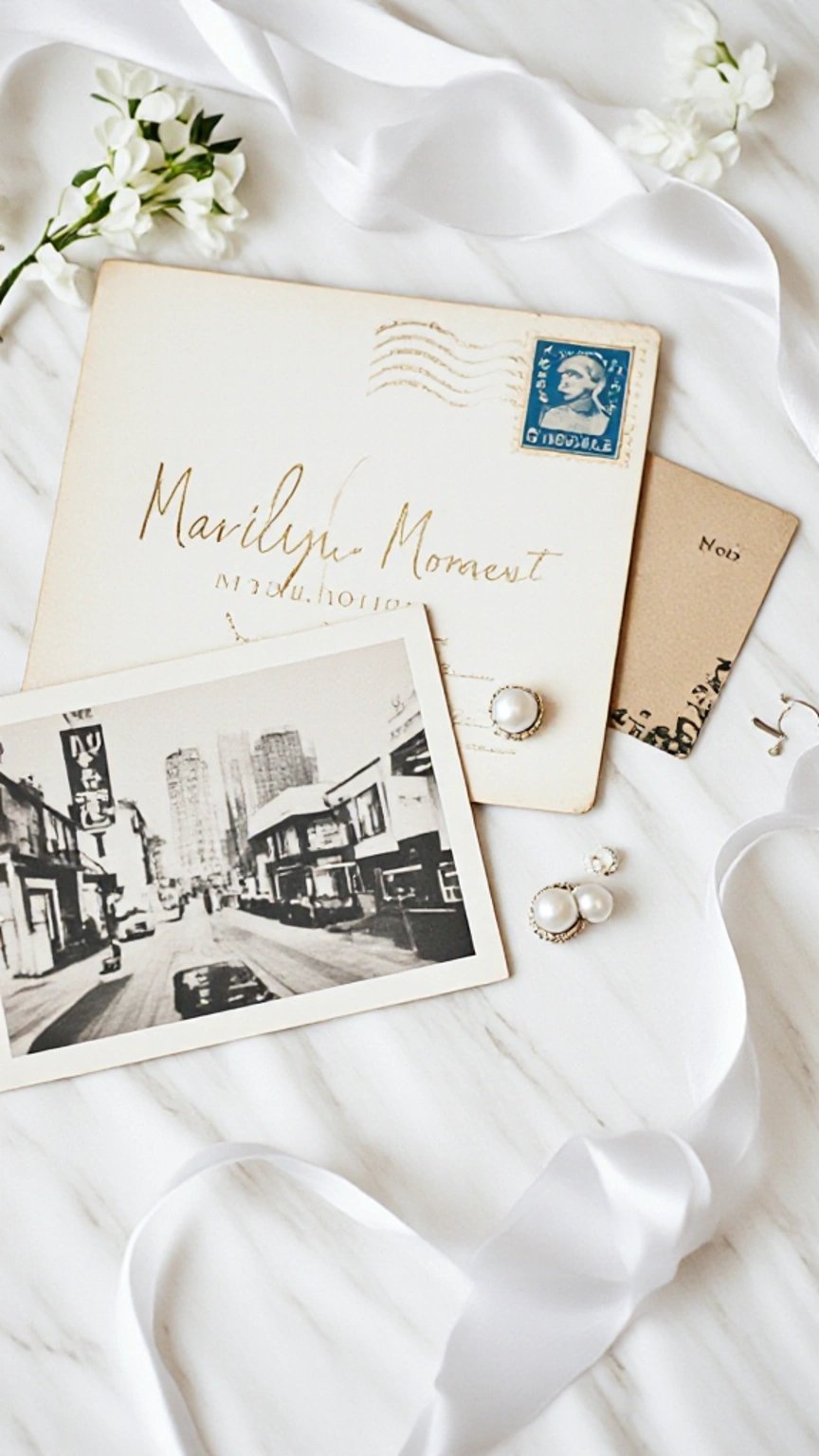
How do you want to be seen? This is not a question about vanity. It is a question about truth. In our activity book, we explore this idea deeply. We don’t ask you to imitate Marilyn. We ask you to notice when you feel most “iconic.” What are the textures of your power? What is the color of your confidence?
The Marilyn Monroe white dress is a beautiful ghost from the past. But your visibility is happening right now. You have the right to catch the wind and stand at the center of the frame, laughing at the shadows. You are the author of your own radiance.
In the pages of “52 Marilyn Moments,” visibility becomes a question—not a performance. It is a space to explore how you want to be seen, and when. You are the designer of your own image. You are the light in your own dark city. Every moment is a chance to define your own power.