A specific kind of light belongs only to the 1950s. It is a warm, cinematic glow. This light feels like a cherished memory. It is the light of Technicolor at its peak. At the center of this radiance stood a woman who defined her era. To speak of the 1950s Marilyn Monroe aesthetic is to speak of a moment where grace and vulnerability converged.
What happens when an era and a woman shape each other? This question invites us to look past the surface of the glossy photographs. We must look into the heart of an icon. This was not merely a collection of dresses. It was an atmosphere. It was a feeling. The 1950s Marilyn Monroe aesthetic was a profound statement on femininity in a changing world.
The 1950s: A World That Needed Icons
Post-war America sought its own reflection. After years of shadow and sacrifice, the world felt hungry for color. People wanted softness. They wanted a sense of permanence. The 1950s arrived with a promise of stability. Yet, beneath the suburban perfection, a quiet yearning existed. People wanted a beauty that felt both aspirational and deeply human.
In this space, society often treated femininity as a rigid uniform. The early 1950s silver screen featured “Ice Queens.” These actresses remained statuesque and distant. They moved with a practiced, theatrical stiffness. Their emotions felt carefully metered. But the world waited for a different presence. It needed someone to bridge the gap between Hollywood heights and the human heart.
The era was a stage set in waiting. The costumes stood ready. Designers prepared the cinched waists and the full skirts. However, the spirit of the decade needed a focal point. It required a woman who embodied the 1950s Marilyn Monroe aesthetic before it even had a name. Marilyn did not just wear the 1950s. She transformed them into something immortal.
Marilyn Monroe Enters the Frame
Marilyn Monroe stepped into the spotlight and broke the traditional mold. Her contemporaries often felt like distant sculptures. Marilyn felt like a pulse. She brought a sense of “becoming” to the screen. To watch her was to witness a woman navigating her own existence in real-time. This was the foundation of the 1950s Marilyn Monroe aesthetic.

She was the perfect person for the perfect moment. The decade valued the ideal. In response, she offered a version of femininity that felt remarkably alive. It wasn’t just about the curves of her silhouette. Her vulnerability became her greatest strength. She turned a curated look into a living, breathing reality.
By the time she starred in Niagara, her image had fully crystallized. She moved away from the “girl next door” simplicity of her early days. She leaned into a luminous persona. This persona felt both revolutionary and deeply comforting. She wasn’t just an actress. She became a visual sanctuary for an audience that craved beauty.
Deep Dive into the 1950s Marilyn Monroe Aesthetic
The aesthetic we celebrate today is a meticulous alchemy. It is a language composed of specific visual signals. These signals work together. They create an aura of luminous presence. Let us look closer at the elements that define this timeless look.
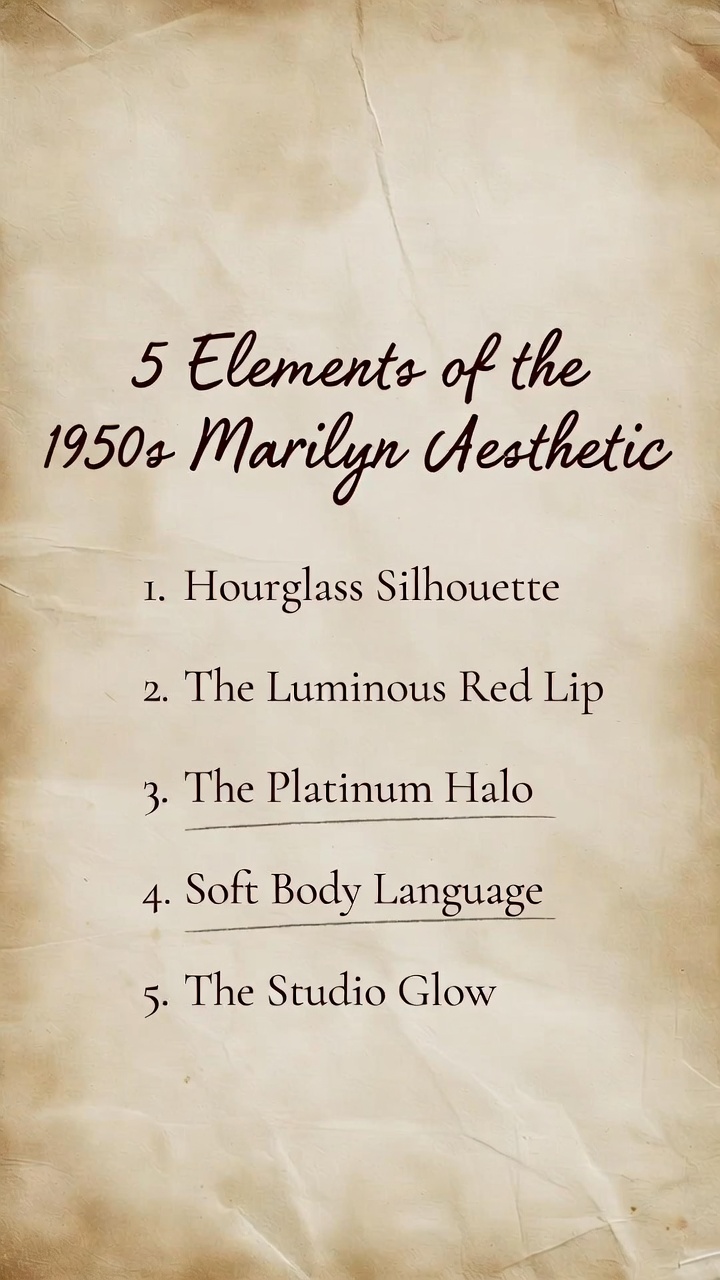
First, we consider the Architecture of the Silhouette. The 1950s favored the hourglass. Marilyn softened these lines. Her style never relied on sharp edges or aggressive tailoring. Instead, it celebrated the curve of a shoulder and the dip of a waist. Fabric obeyed the lines of her body. She often chose silks and jerseys that draped rather than stiffened. This choice allowed for a fluidity of movement. It suggested that she was comfortable in her own skin.
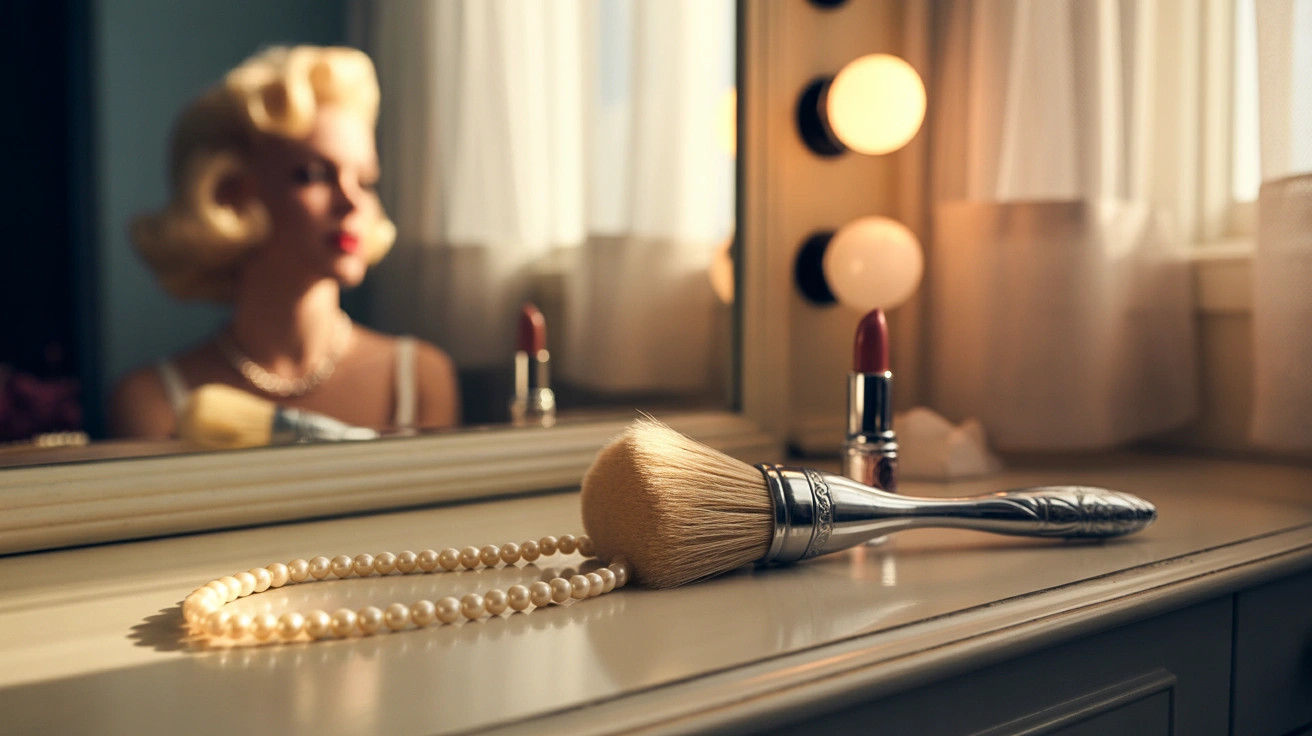
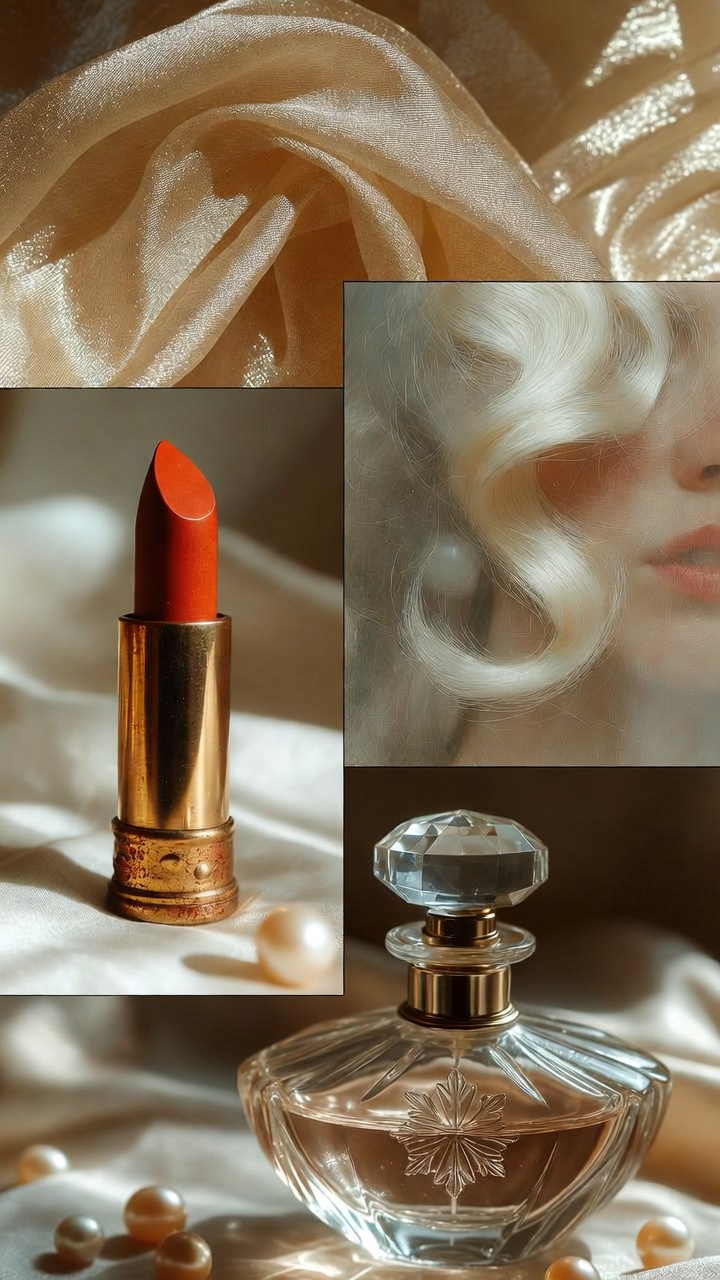
Second, we examine the Luminescence of Makeup. The “Marilyn look” was a masterclass in the manipulation of light. Her makeup artist, Allan “Whitey” Snyder, used layers of wax and Vaseline. This created a dewy glow. It made her skin appear lit from within. Her eyeliner was a clever arrangement of tones. It created a “sleepy,” heavy-lidded gaze. This gaze became a hallmark of the 1950s Marilyn Monroe aesthetic. Her red lip was not a simple application. It was an art form.
Third, we look at the Sculpture of Hair. Her platinum blonde hair was a halo. In the 1950s, blonde symbolized the “new American light.” Soft curls caught the studio lamps. This created a glow that made her appear almost translucent. The hair was architectural yet soft. It framed her face with a constant, golden radiance.
The Power of Lighting and Photography
Lighting played a crucial role in the 1950s Marilyn Monroe aesthetic. Photographers used backlighting to create a soft blur around her features. This technique softened the world around her. It made her the undeniable center of every frame. She did not just sit for a portrait. She collaborated with the light.
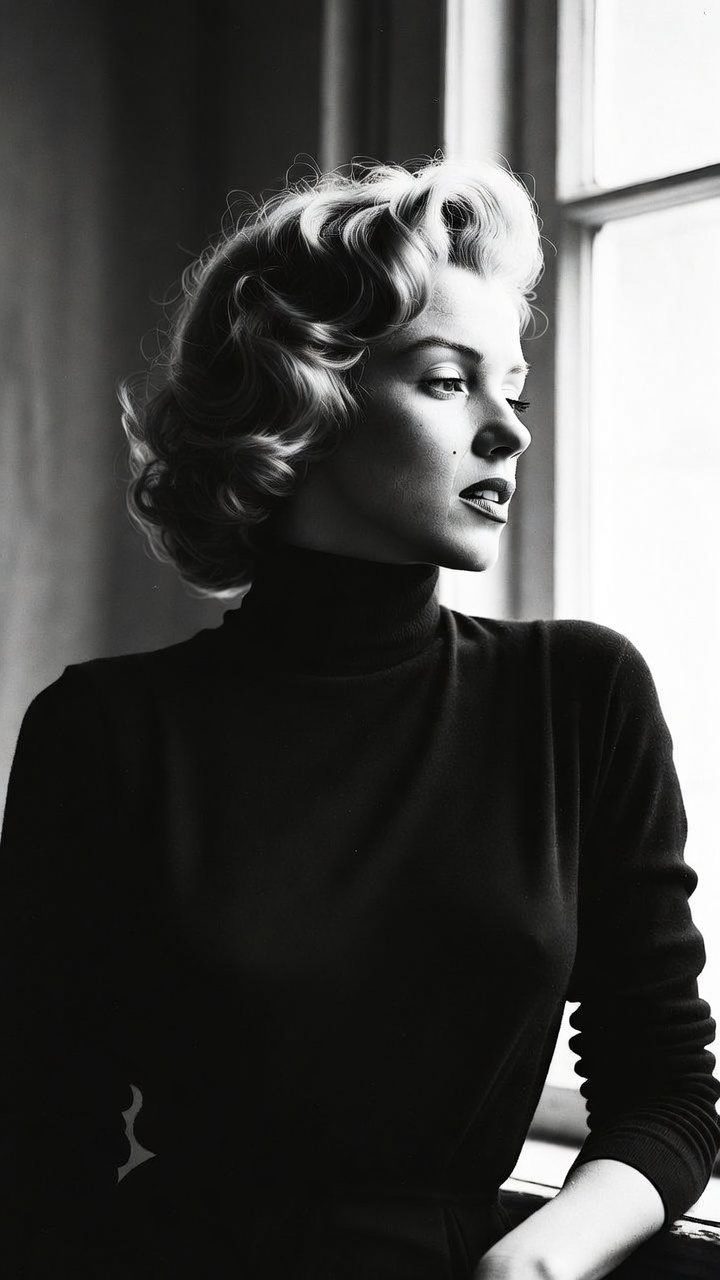
Marilyn understood the camera. She knew how to catch the light at the perfect angle. This wasn’t vanity; it was craft. She understood that a shadow in the wrong place could change the emotional tone of a moment. She worked with photographers like Milton Greene to push the boundaries of her image. Together, they created a softer, more intimate version of the 1950s Marilyn Monroe aesthetic.
This intentionality is what gives her images such lasting power. She was an artist of her own image, knowing that every flash of the bulb offered an opportunity to connect. Through her visual presence, she communicated without uttering a single word. This is the heart of her iconic status.
The Fabrics of Femininity in the Fifties
Fabric choice is an essential part of the 1950s Marilyn Monroe aesthetic. Marilyn favored materials that moved with her. She loved the weight of heavy satin and the airiness of chiffon. These textures added a tactile dimension to her visual image. People didn’t just want to see her; they wanted to know what it felt like to be her.
She often chose monochromatic palettes. White, cream, and champagne were her signatures. These colors acted as reflectors for the light. They enhanced her natural luminosity. Even when she wore bright colors, like the iconic pink in Gentlemen Prefer Blondes, the fabric was the star. The satin shimmered with every movement. It created a dynamic visual experience.
In her private life, she leaned toward the “textures of comfort.” She wore cashmere sweaters and simple cotton shirts. This contrast is vital. The 1950s Marilyn Monroe aesthetic was not a costume, but a spectrum. It ranged from the high glamour of the red carpet to the quiet elegance of a library.
Glamour as a Language, Not a Costume
Many people think glamour is something you put on. They see it as a dress or a jewel. But for Marilyn, glamour was something she inhabited. In the 1950s, she navigated a fine line. She was a “creation” of the studio system, but she also created her own image.
She observed her own life closely. While the world saw the “Marilyn” of the posters, she studied her craft. She read poetry. She tried to understand the woman beneath the curls. This creates a fascinating tension in the 1950s Marilyn Monroe aesthetic. The outer image offered ultimate visibility. The inner life remained a place of quiet introspection.
Visibility is a form of power. Marilyn understood this well. She embraced the hyper-feminine look of her time, but didn’t just play a part. Instead, she used the tools of her era to speak to the world. A quiet agency lived in the way she chose to be seen. Her life reminds us that femininity can be a profound expression of self.
The Modern Impact of the 1950s Marilyn Monroe Aesthetic
Our modern world moves fast. We deal with digital filters and constant scrolling. In this chaos, the 1950s Marilyn Monroe aesthetic offers a sense of “slow beauty.” We find ourselves drawn to her images on Pinterest because they represent a depth of presence.
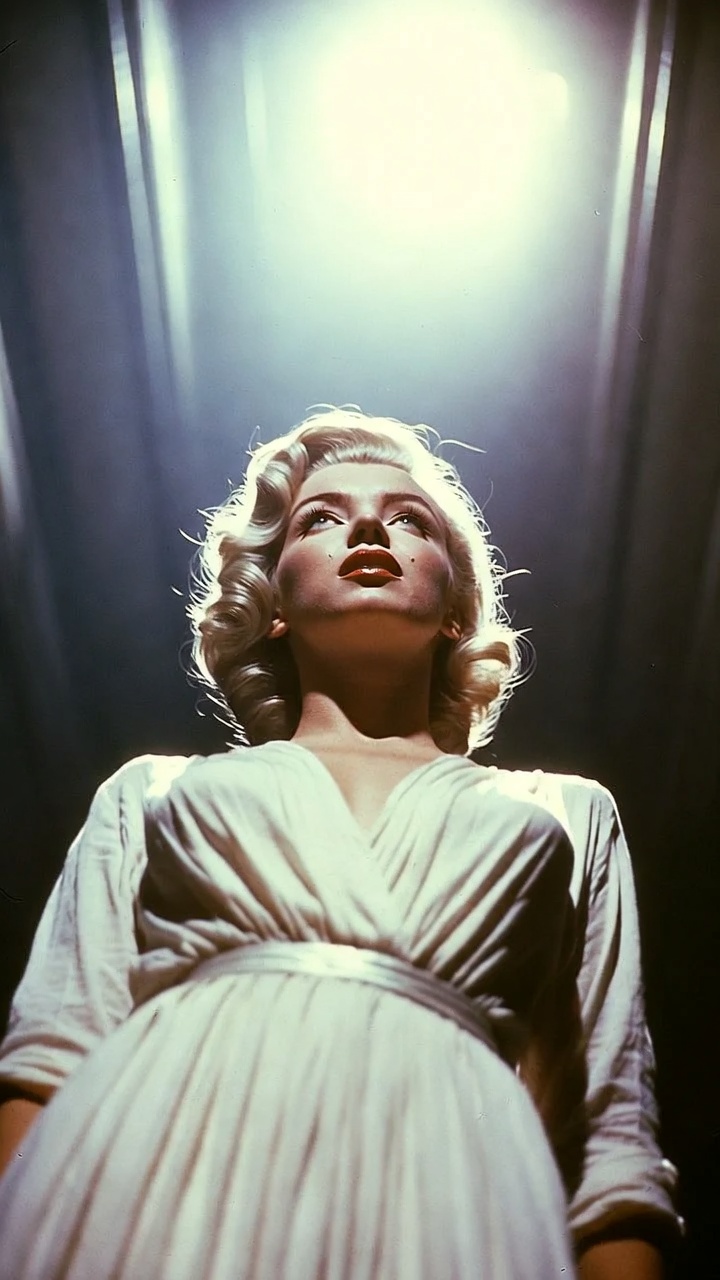
Our gaze goes beyond a vintage dress to rest on a woman who took the time to be seen. Her aesthetic resonates because it isn’t about perfection. It is about the intention behind the image. It represents a time when beauty was a ritual. This ritual required patience and care.
For the modern woman, this aesthetic is a reminder. It is okay to be soft. It is okay to take up space with your femininity. You can return to the ritual of self-care. Marilyn’s image acts as a fixed point in a chaotic world. Some things are truly timeless. The curve of a smile and the glow of well-placed light never go out of style.
The 1950s Marilyn Monroe aesthetic continues to influence fashion today. We see it in the return of the hourglass silhouette. We see it in the popularity of vintage-inspired makeup. But more importantly, we see it in the way women are reclaiming their right to be both visible and vulnerable.
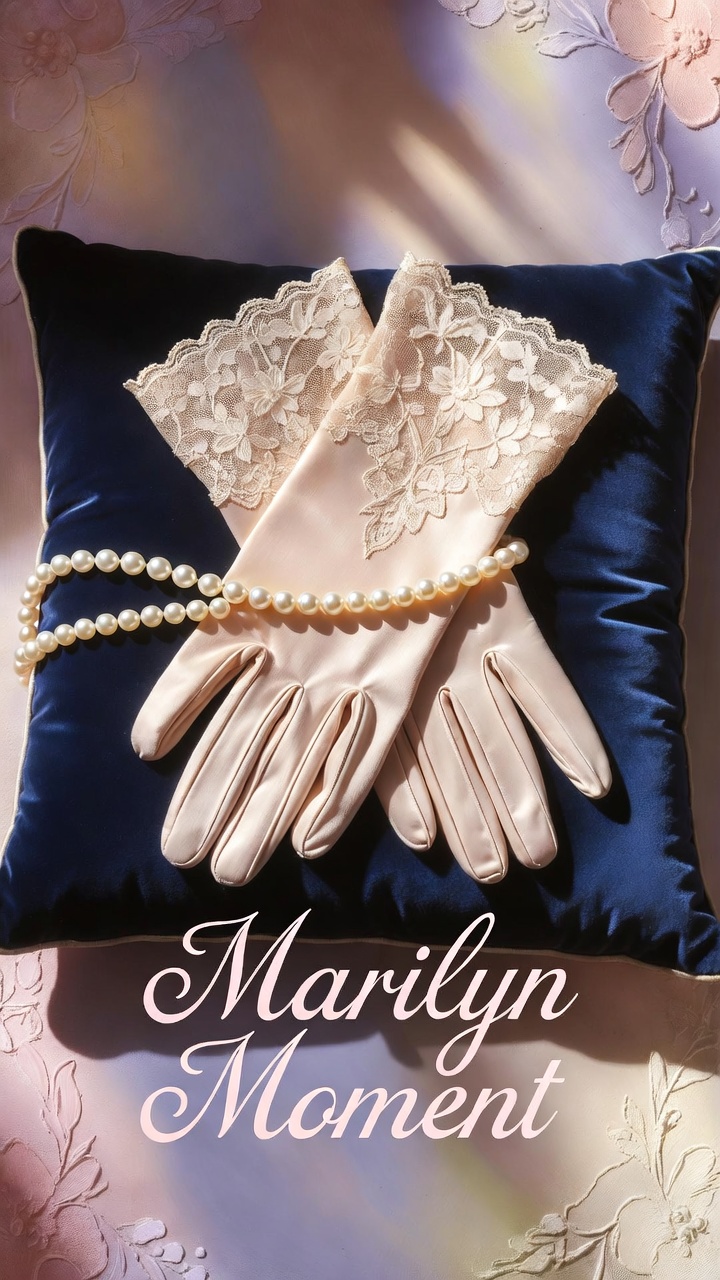
Creating Your Own Marilyn Moment
Observing Marilyn’s journey invites us to look at our own. We may not live under Hollywood studio lights. However, we all inhabit an era. We all choose how we present ourselves to the world. Every day offers a new canvas.
Creating a “Marilyn Moment” today does not require a costume. It means adopting a philosophy of presence. Notice the way the light hits your room. Choose a fabric because it feels kind against your skin. Take five minutes to honor your own presence. This is how you reclaim the 1950s Marilyn Monroe aesthetic for yourself.
What makes you feel iconic in your own life? It might be the ritual of your morning coffee. It might be the way you feel in a favorite coat. You can express your own soft power anywhere. It is about finding the beauty in the ordinary. It is about being the protagonist of your own story.
Marilyn once said that she wanted to be wonderful. She achieved this not by being perfect, but by being present. She showed us that an aesthetic is more than just a look. It is a way of being in the world.
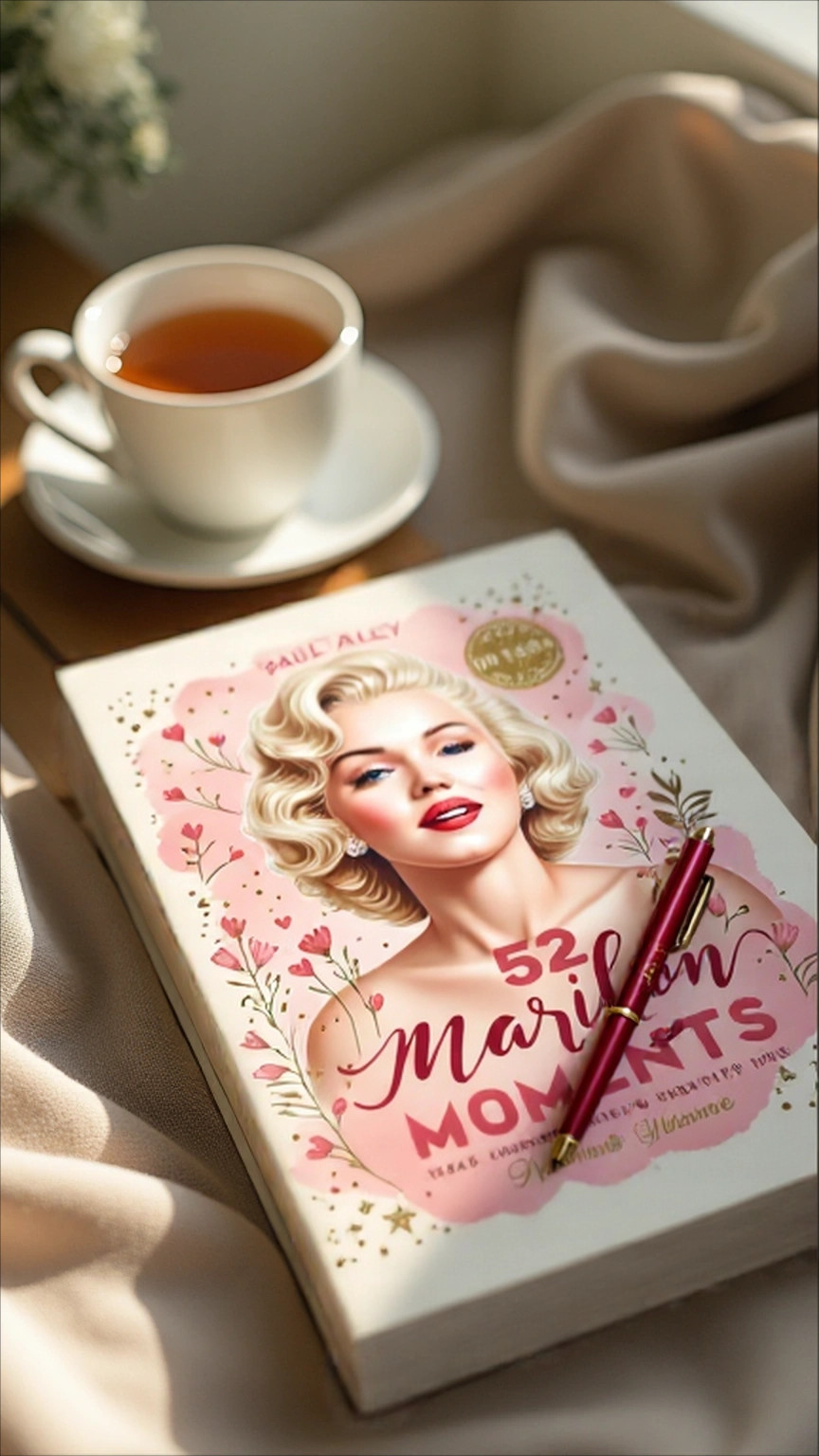
In the pages of “52 Marilyn Moments,” this era becomes an invitation. Do not simply imitate the woman the world saw. Instead, notice the woman you are becoming. This journey helps you find your own light and your own unique 1950s Marilyn Monroe aesthetic. It is a year of creativity, inspiration, and self-discovery.